Northern Territory National Parks: Top End Gorges, Waterfalls & Rock Art
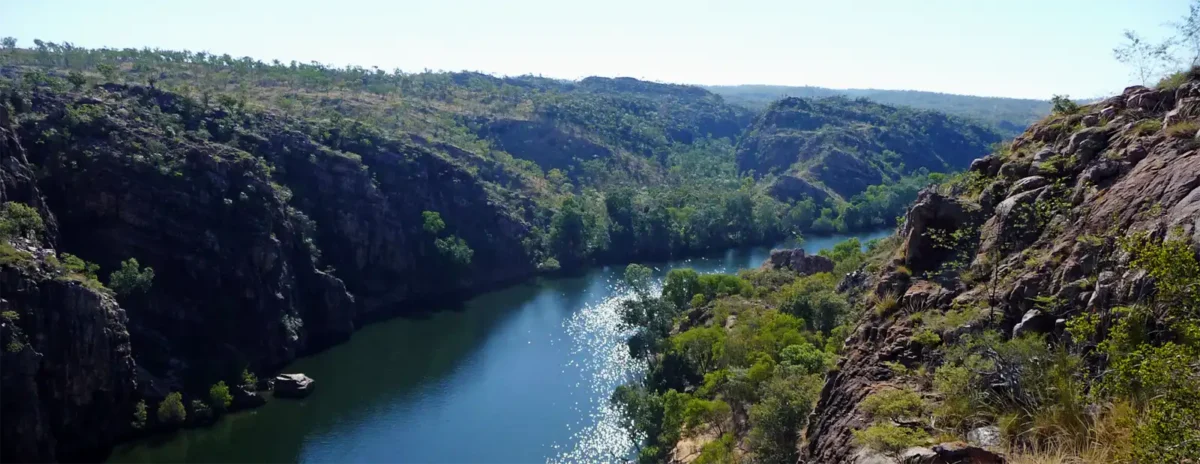
Northern Territory national parks showcase the incredible diversity of the Top End, and this guide highlights three of its most memorable landscapes. From ancient Aboriginal rock art galleries in Kakadu National Park to wildlife-rich cruises on the East Alligator River and Yellow Water Billabong, the region offers unforgettable experiences at every turn. Some of our most special moments were camping and swimming at Leliyn (Edith Falls), which felt truly magical, and cruising the dramatic Katherine Gorge in Nitmiluk National Park — an absolute must-do in the Top End.
Table of contents
- Darwin & the Top End Gateway
- Kakadu National Park
- Yellow Water Billabong Cruise
- Nitmiluk National Park (Katherine Gorge)
- Leliyn (Edith Falls)
- Litchfield National Park
Darwin & the Top End Gateway
Darwin, the capital of the Northern Territory, is the gateway to the Top End and the main base for exploring Kakadu National Park, Litchfield National Park, and Nitmiluk National Park. The city combines a relaxed tropical lifestyle with strong Indigenous culture, lively markets, and easy access to some of Australia’s most iconic outdoor attractions.
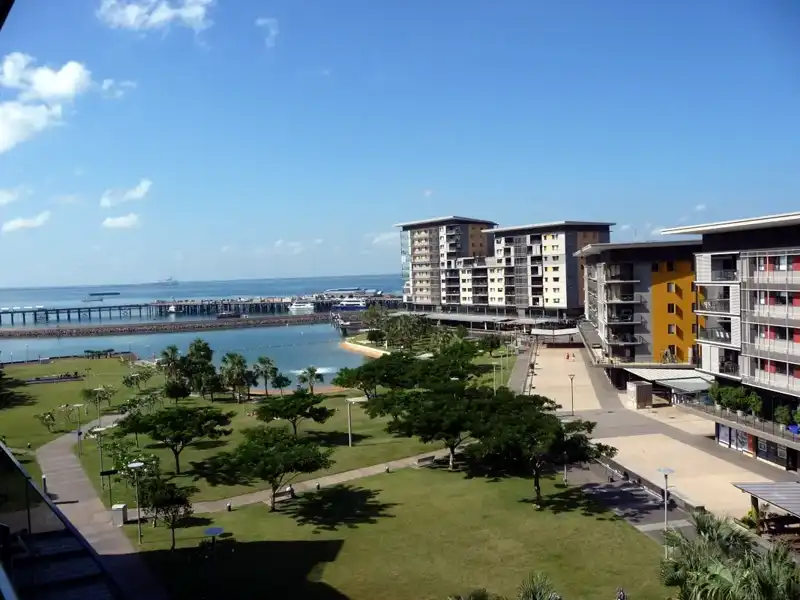
We stayed at Darwin Waterfront, which was to be a perfect base for exploring the city. Just a five-minute walk from the bustling Darwin CBD, it felt like a world away. We enjoyed wandering between restaurants and bars, relaxing by the wave pool and lagoon, and soaking up the laid-back tropical atmosphere. Later, we headed to Stokes Hill Wharf, an ideal spot to end the day with a sunset dinner at one of the outdoor cafés or casual waterfront restaurants.
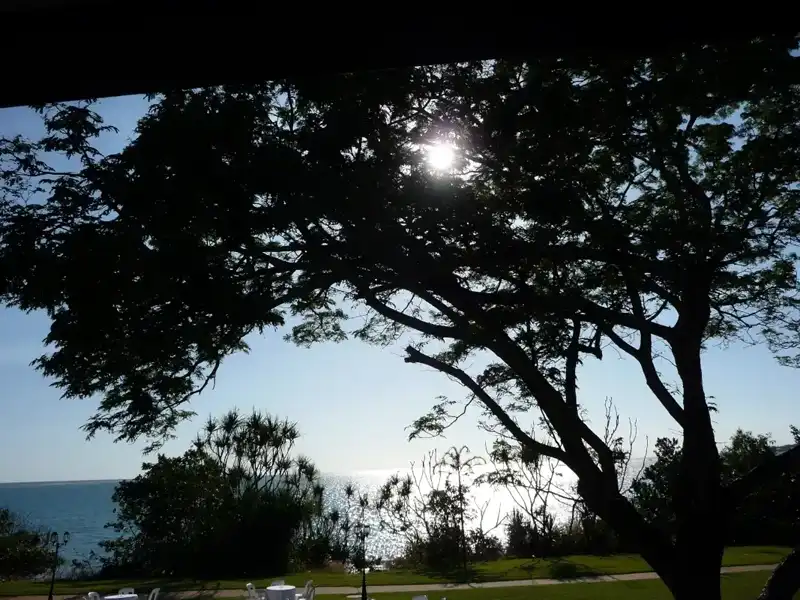
The Esplanade is the city’s natural sanctuary. Walking along its shaded paths, you enjoy the cool sea breezes and panoramic coastal views that feel worlds away from the nearby streets. Despite its peaceful feel, the Esplanade is just minutes from the Darwin CBD, making it an ideal spot to relax after a day of sightseeing.
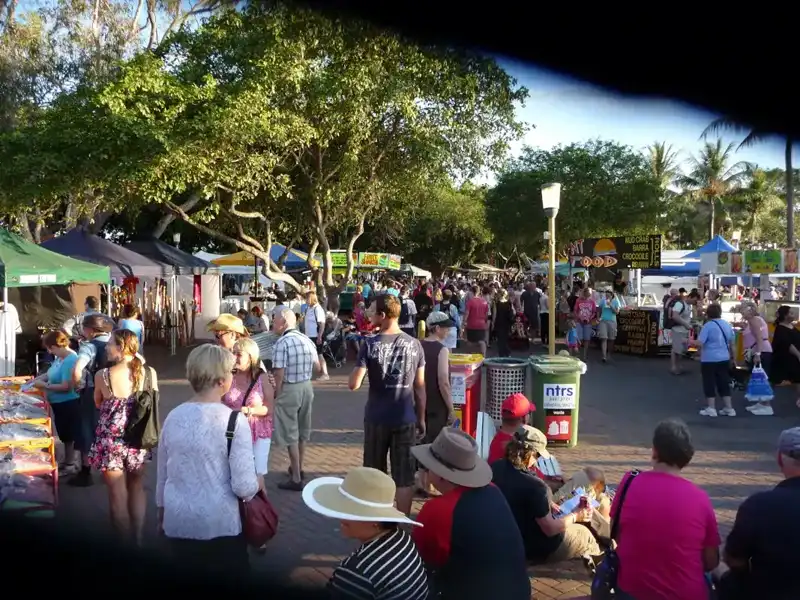
We loved the Mindil Beach Sunset Market, one of the most popular things to do in Darwin and a great introduction to the Top End. Filled with local colour and the aromas of international street food, the market is a pleasure to wander, with local artwork, handmade crafts, and an impressive range of food stalls. As the sun sets over Mindil Beach and the Arafura Sea, the relaxed atmosphere and coastal views make this a memorable Darwin experience.
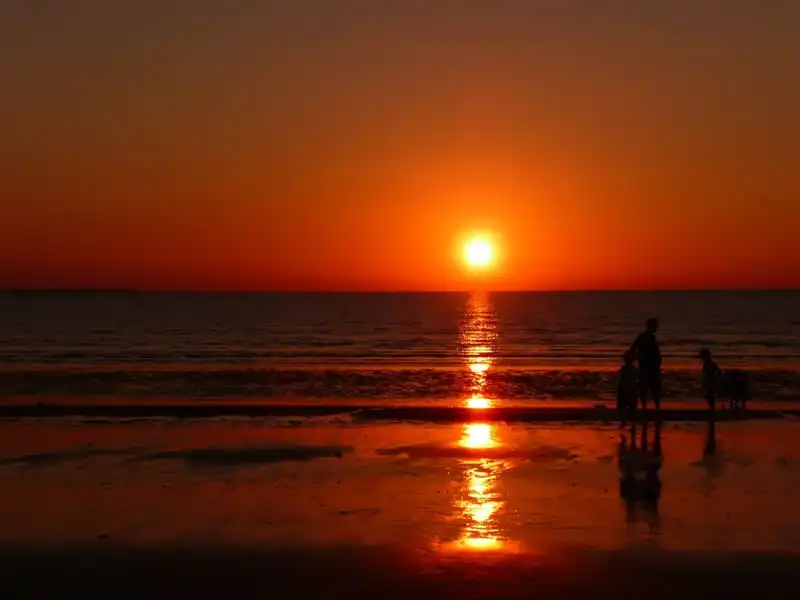
As the Mindil Beach Sunset Market winds down, visitors make their way toward the shoreline to watch the sunset over the Indian Ocean. It’s a great way to end the evening in Darwin, with a beautiful sun set, ocean views, and a relaxed Top End atmosphere.
Back to table of contents
Kakadu National Park
Kakadu National Park is the largest national park in Australia, covering almost 20,000 square kilometres of incredibly diverse landscapes. From vast floodplains and lush wetlands to rugged escarpments and seasonal waterfalls, Kakadu showcases the raw beauty of the Top End. The park is also a living cultural landscape, home to some of the world’s oldest Aboriginal rock art sites and a rich Indigenous heritage dating back more than 65,000 years.
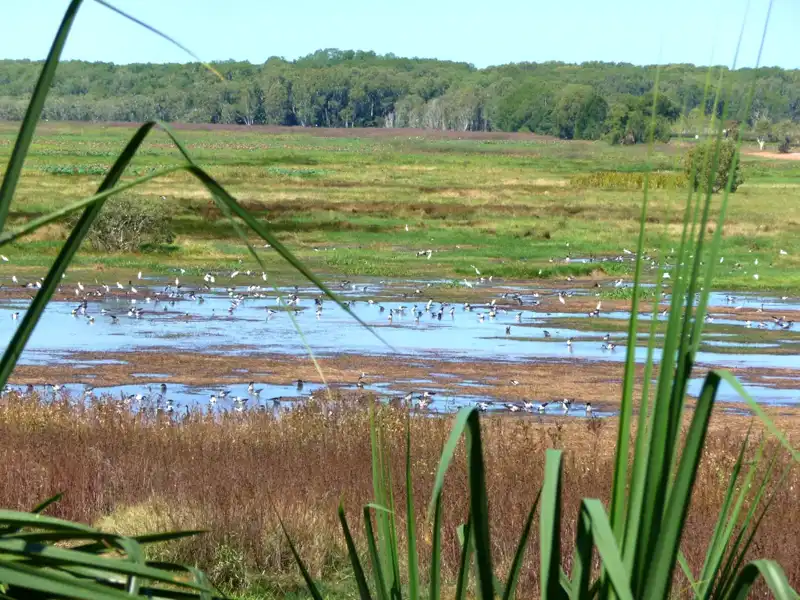
After we left Darwin behind us, the real adventure began as we drove into the heart of Kakadu National Park. Undoubtedly, the Fogg Dam and the Window on the Wetlands were just the first hints of the natural wonders to come. We were fascinated by the landscapes and wildlife we saw. Our first night in Kakadu was at the Mary River Resort, in our motorhome close to the river.
Ubirr Rock Art & East Alligator River Cruise
Our next stop was Ubirr, one of the most important Aboriginal rock art sites in Kakadu National Park, overlooking the vast East Alligator River floodplains. The remarkable rock art galleries show that Aboriginal people have lived in this region for at least 20,000 years, long before the arrival of European explorers. We combined our visit to the Ubirr rock galleries with an East Alligator River cruise, gaining deeper insight into Bininj/Mungguy culture, wetlands wildlife, and the dramatic landscapes of the Top End.
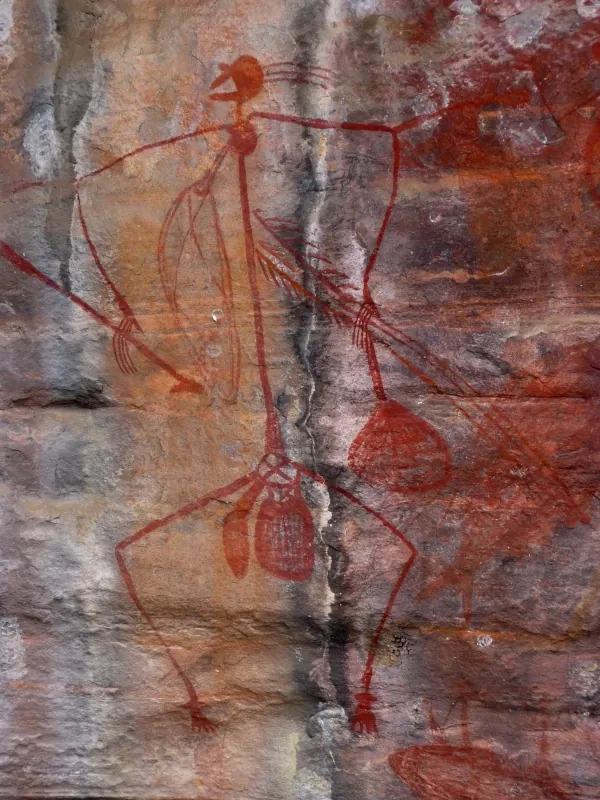
This painting of Mabuyu, the fisherman, carries a powerful warning against stealing. According to the story, when his catch of fish was taken by a greedy man, Mabuyu’s anger was so great that he sealed the cave where the thieves were hiding with a massive rock—trapping them inside forever.
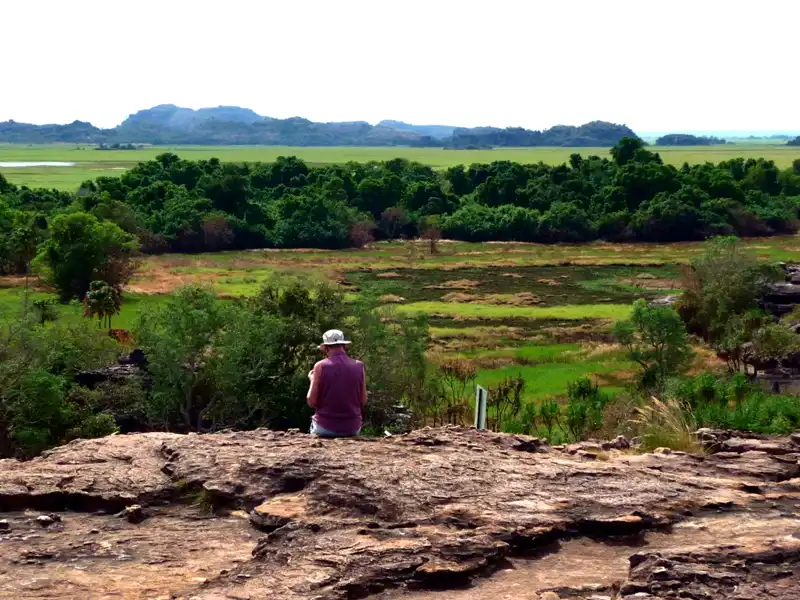
We didn’t reach the Ubirr Lookout at sunset, when the Arnhem Land escarpment glows deep red above the ancient Kakadu rock art galleries. Even so, the climb was well worth the effort, rewarding us with breathtaking 360-degree views from the rocky escarpment across the Nadab floodplain toward Arnhem Land.
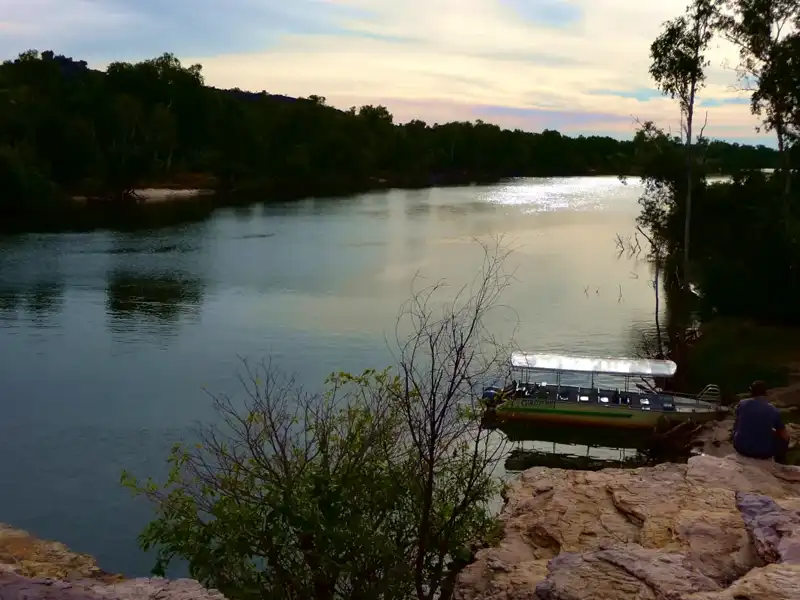
In the afternoon, we joined the Guluyambi Cultural Cruise along the East Alligator River, where our Aboriginal guide shared how native plants and animals have long been used for food, medicine, and traditional tools.
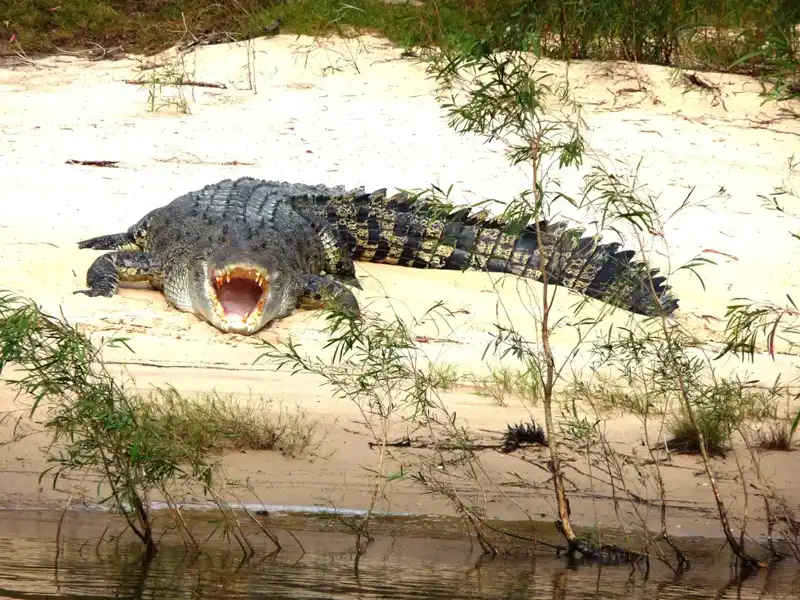
Near Cahills Crossing, we spotted a massive saltwater crocodile basking on a stretch of pale sand beside the river. Lying motionless with its jaws open, it was an unmistakable reminder of who truly rules the waterways of Kakadu National Park.
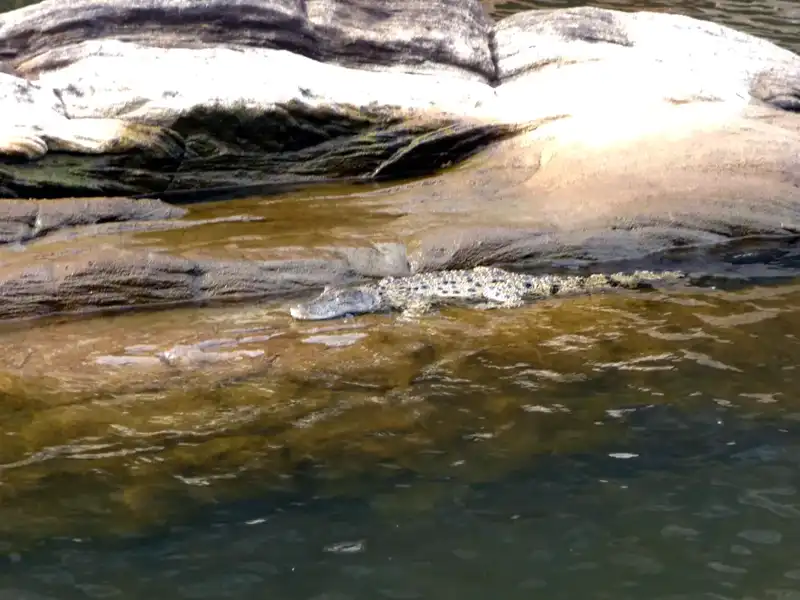
Later on our cruise along the East Alligator River, we spotted a freshwater crocodile. Its slender snout and noticeably smaller size made the contrast with its much larger saltwater cousin immediately clear.
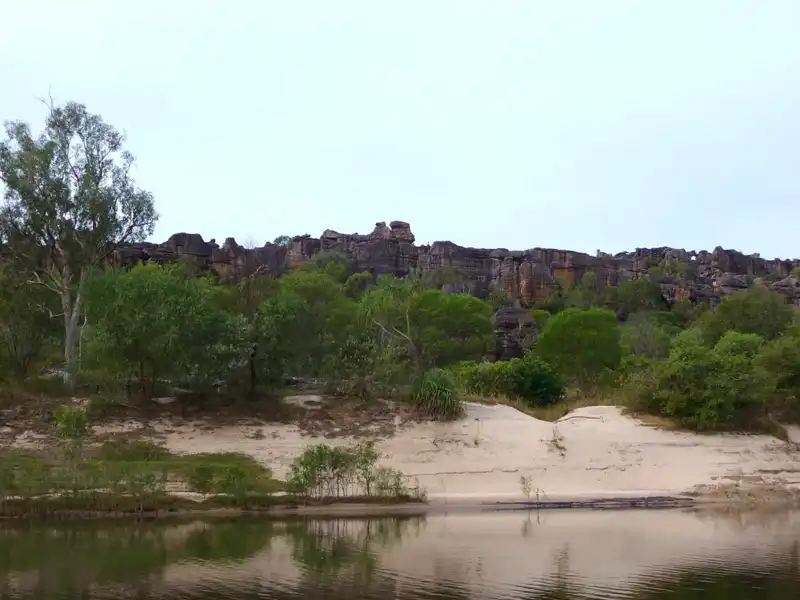
The East Alligator River may appear calm, but it is home to saltwater crocodiles. Swimming or walking along the riverbanks is unsafe — a powerful reminder that the waterways of Kakadu National Park remain truly wild.
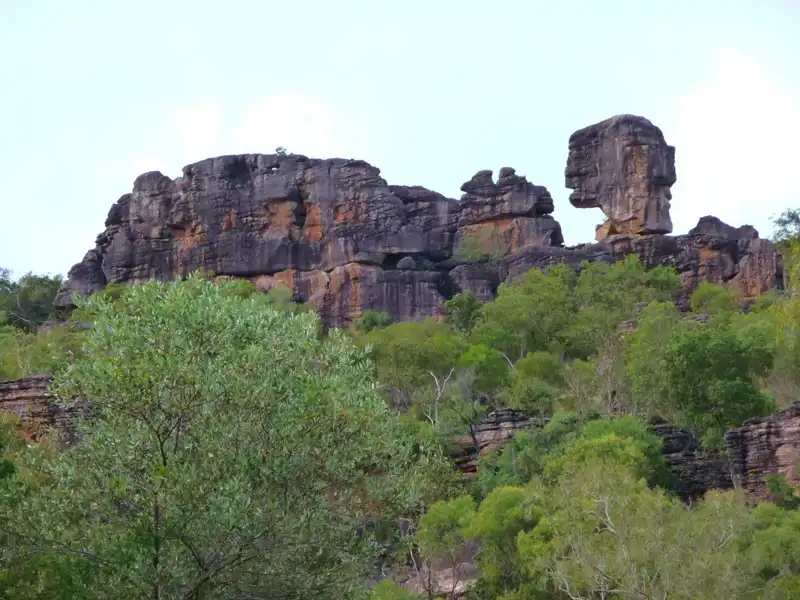
We passed countless striking rock formations during the cruise, but one stood out immediately — a towering outcrop shaped uncannily like a giant stone head. Natural sculptures like this add to the sense of scale and timelessness along the East Alligator River.
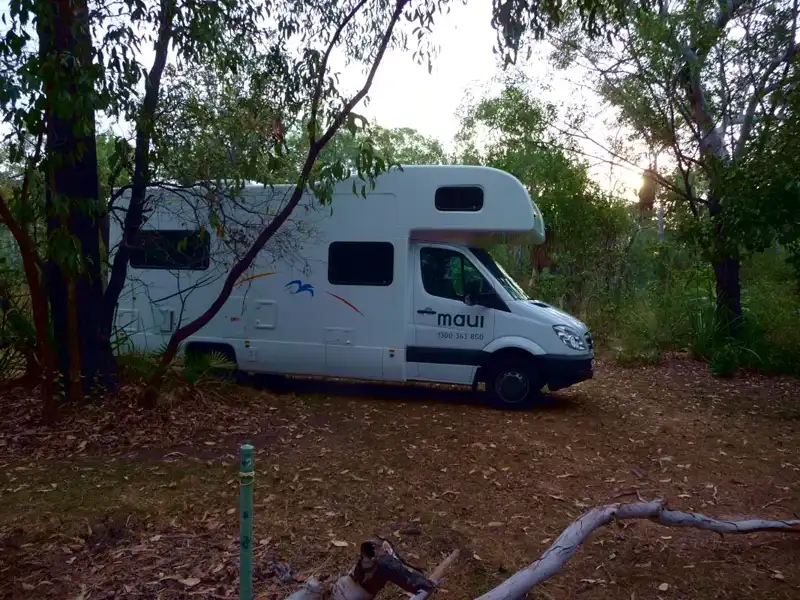
After a long day, we arrived at Merl Campground and found a secluded spot tucked among the surrounding bush. The stillness and sense of remoteness created a peaceful, almost romantic night night under the stars.
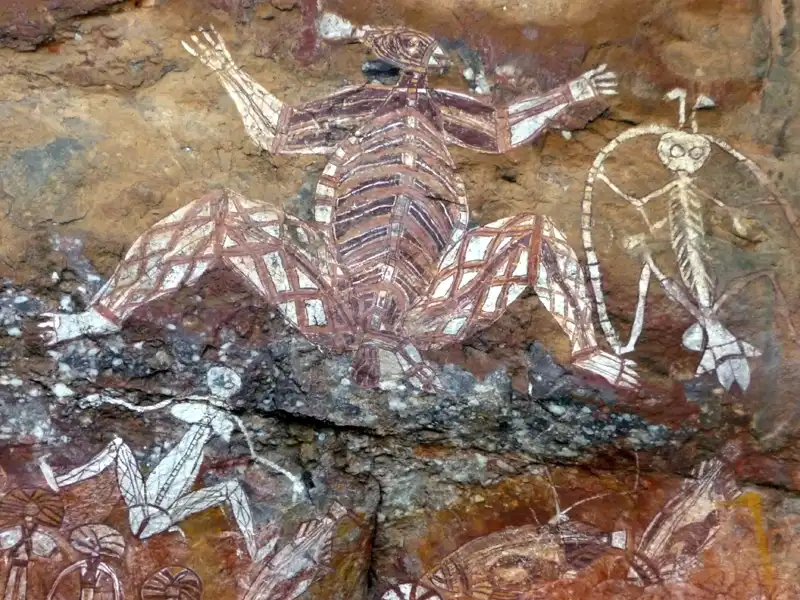
We enjoyed the rock art at Ubirr so much that we visited Nourlangie Rock Art Site the following day. This renowned site, also known as Burrungkuy, features remarkable Aboriginal rock paintings dating back up to 20,000 years. One striking panel tells the story of Namarrgon, the Lightning Man, who is responsible for the powerful lightning storms of the Wet Season. Beside him is Ginga, who broke sacred law, transformed into a crocodile, and left behind Barrginj, Namarrgon’s wife — a story rich in cultural meaning and moral warning.
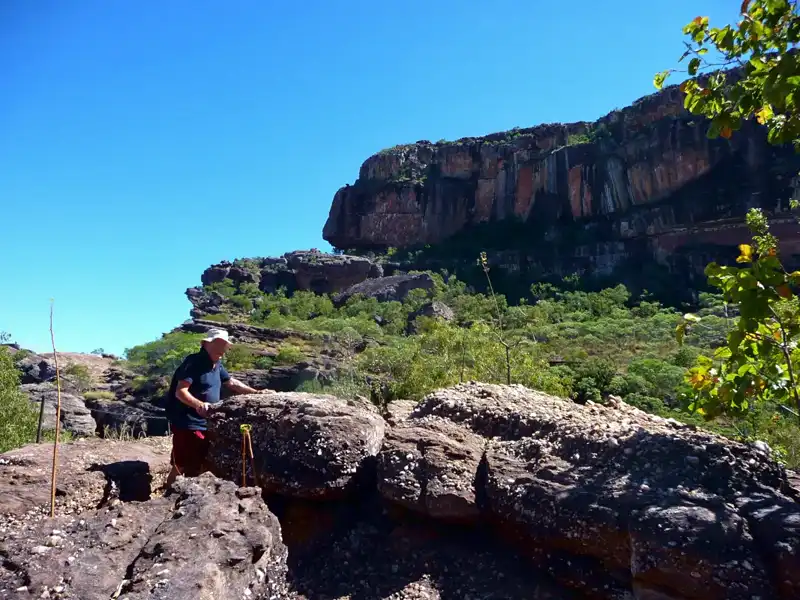
After exploring the Anbangbang Gallery, we climbed to the Kunwarddewardde Lookout. From there, we had sweeping views into the heart of the Arnhem Land escarpment.
Back to table of contents
Yellow Water Billabong Cruise
Yellow Water Billabong, located near Cooinda in Kakadu National Park, is one of the Top End’s most important wetlands, renowned for its rich flora and abundant wildlife. This iconic billabong has been used by Aboriginal people for thousands of years for hunting, fishing, and gathering and is a highlight of the Yellow Water Billabong Cruise experience.
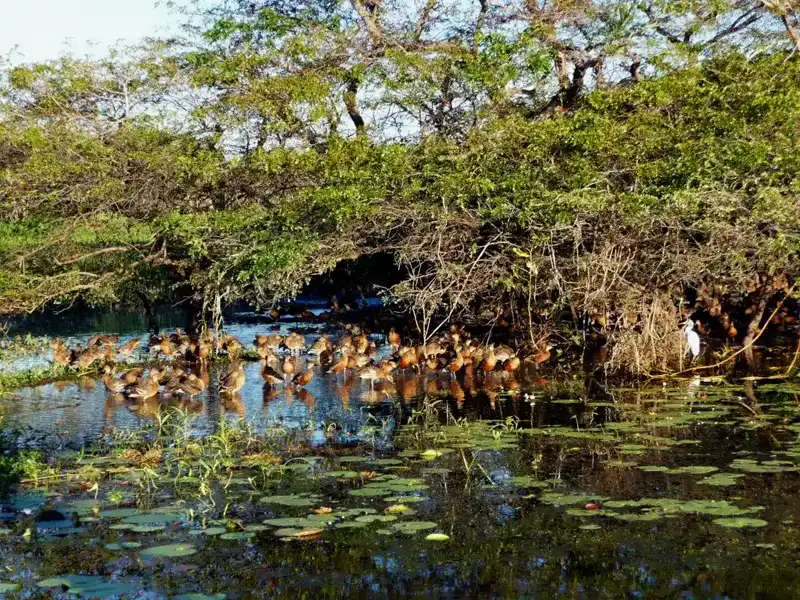
We chose the sunset cruise to escape the heat and enjoy the soft evening light, perfect for photography. Yellow Water Billabong was alive with waterbirds, soaring eagles, and lurking crocodiles. At sunset the mosquitoes came out in force—so don’t forget to pack insect repellent.
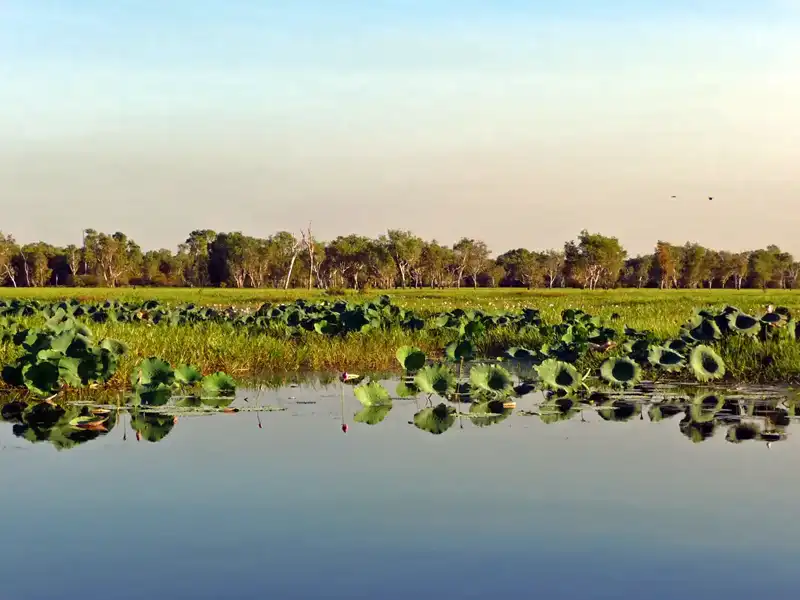
The waterways of the Yellow Water Billabong are covered with lotus flowers. Not only are they beautiful, but they are also a vital food source for Aboriginal people. In particular, their roots and seeds can be eaten raw, boiled, or ground into flour to make bread.
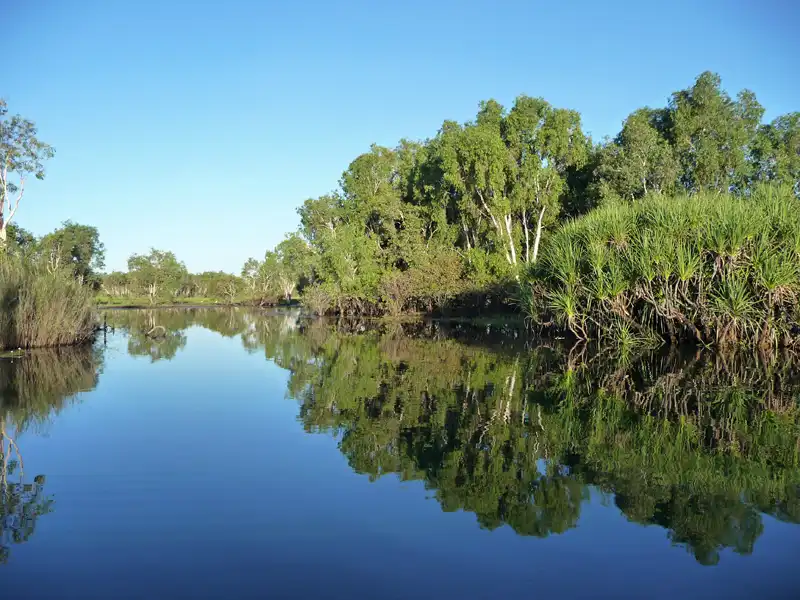
Cruising through the calm waterways was a fantastic experience, just as we had hoped. Gliding silently past reeds and billabongs, we encountered an extraordinary variety of wildlife and lush plant life at every turn. The sense of space, light, and stillness made this cruise a true highlight and an absolute must-visit for anyone who loves nature and photography.
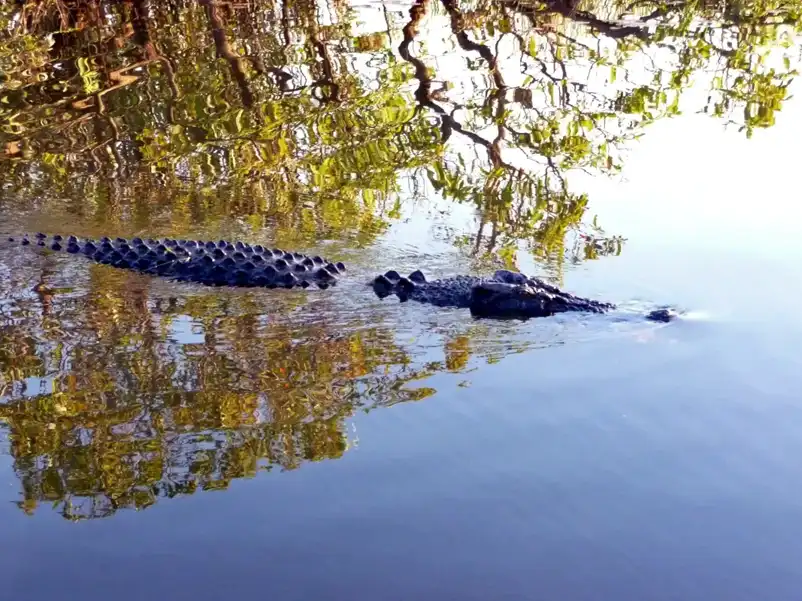
As our boat moved quietly through the waterways, a crocodile followed close behind, patiently waiting for someone slip into the water. It was an exhilarating moment—and a stark reminder of just how alert you need to stay in this wildlife-rich landscape.
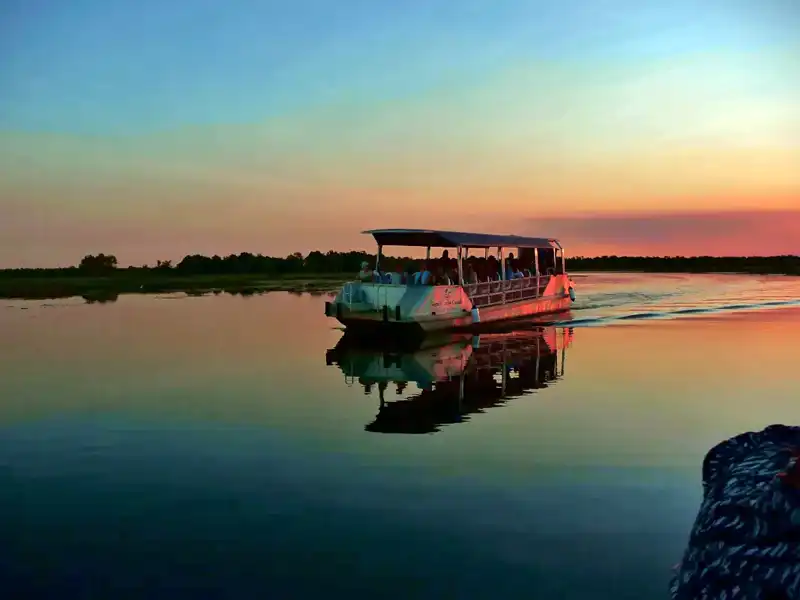
As the sun dipped toward the horizon, the colour of the water slowly changed, creating a magical evening atmosphere. The stillness and light were unforgettable—only broken by mosquitoes determined to make a meal of us.
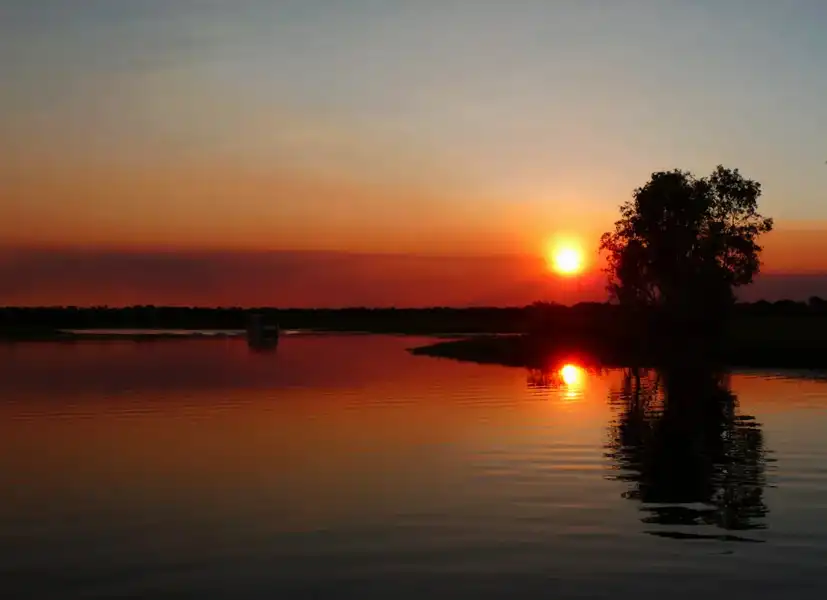
Our sunset cruise on Yellow Water Billabong has come to an end. Between the calm water, the wildlife, and the magical evening light, it was truly unforgettable. For anyone visiting the park, this cruise is the best way to see the spectacular wetlands.
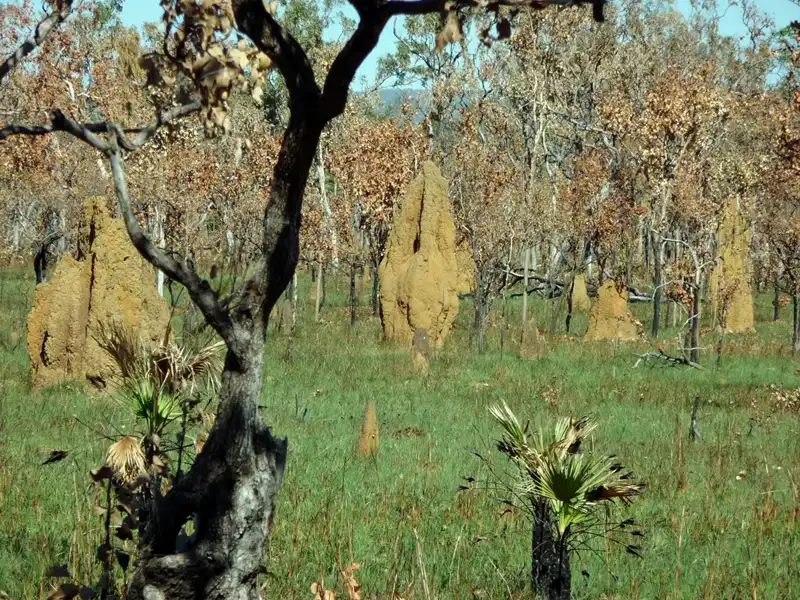
Leaving Kakadu National Park, we headed toward Katherine Gorge. Along the way, we passed massive termite mounds—fascinating structures that really added to the beauty of the drive.
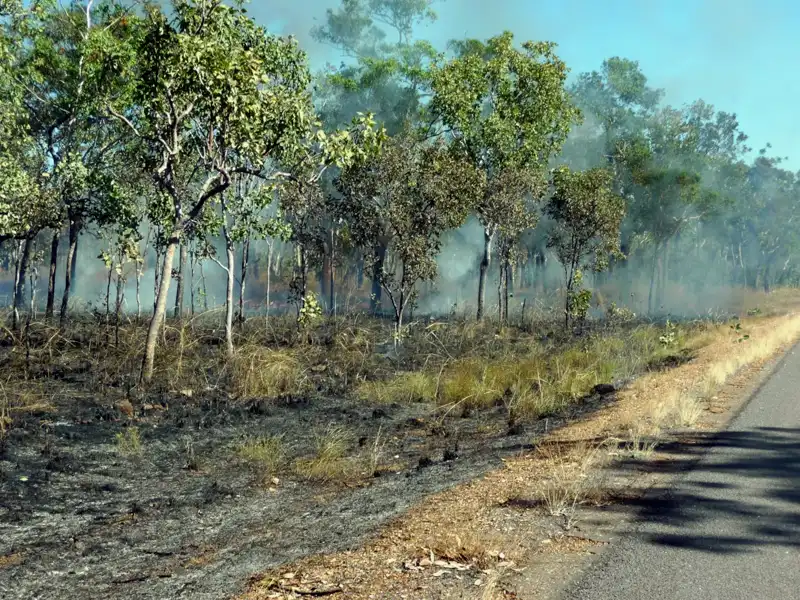
In the early dry season, which lasts from April to July, the Aboriginal rangers carry out back burning.They start small patches of grass fires to prevent larger and more devastating flames from starting.
Back to table of contents
Nitmiluk National Park (Katherine Gorge)
Nitmiluk National Park is made up of two distinct areas: the dramatic Katherine Gorge (Nitmiluk Gorge) and the tranquil Leliyn (Edith Falls). We visited both, and while the gorge cruise was a fantastic experience, camping and hiking at Edith Falls became one of the true highlights of our trip.
Nitmiluk Gorge Boat Cruise
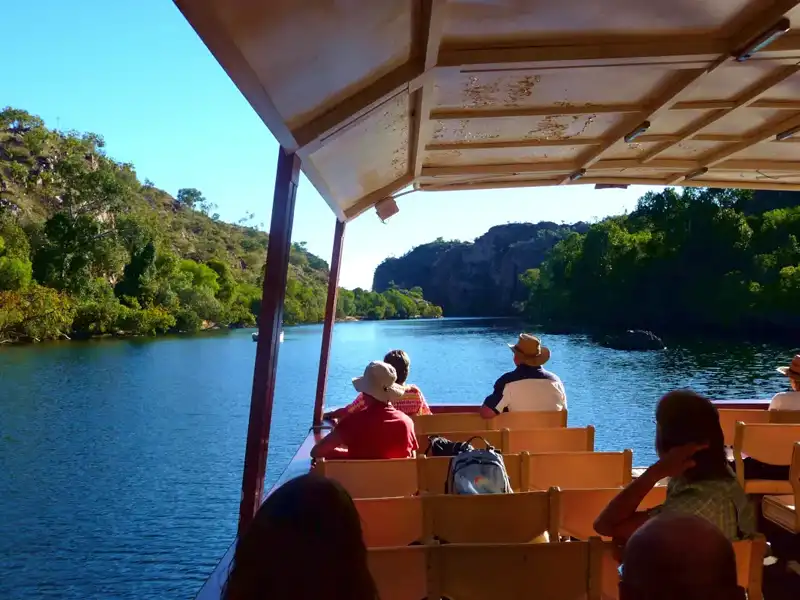
The Katherine River is home to 13 stunning gorges, three of which can be explored by boat. To make the most of our visit, we took the ‘Two Gorge Cruise,’ travelling through the wonderful Katherine Gorge. During the cruise, our guide shared Dreamtime stories with us. As a result, by the end of the trip, we had gained a deeper understanding of the gorge’s rich history and, moreover, its importance to Indigenous culture.
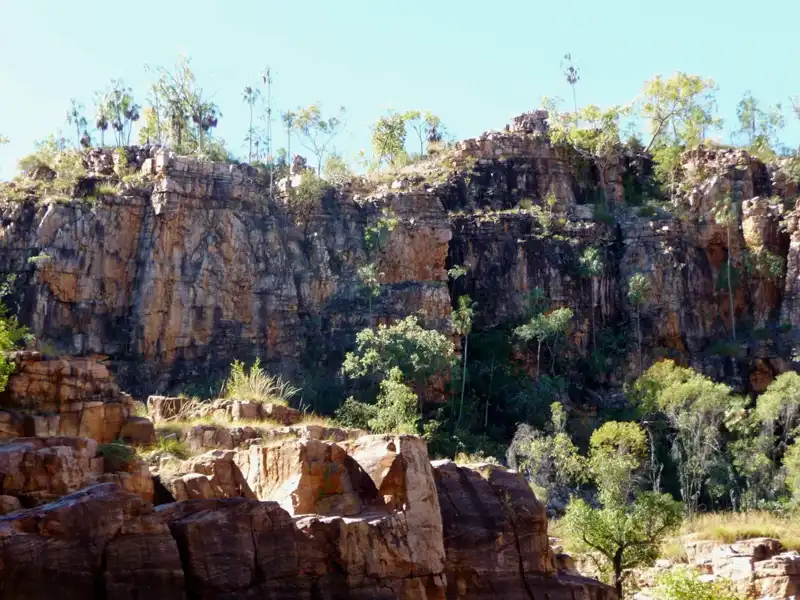
The cliff face along the river changes from solid rock to lush green vegetation, Providing both shelter and food for the local wildlife.
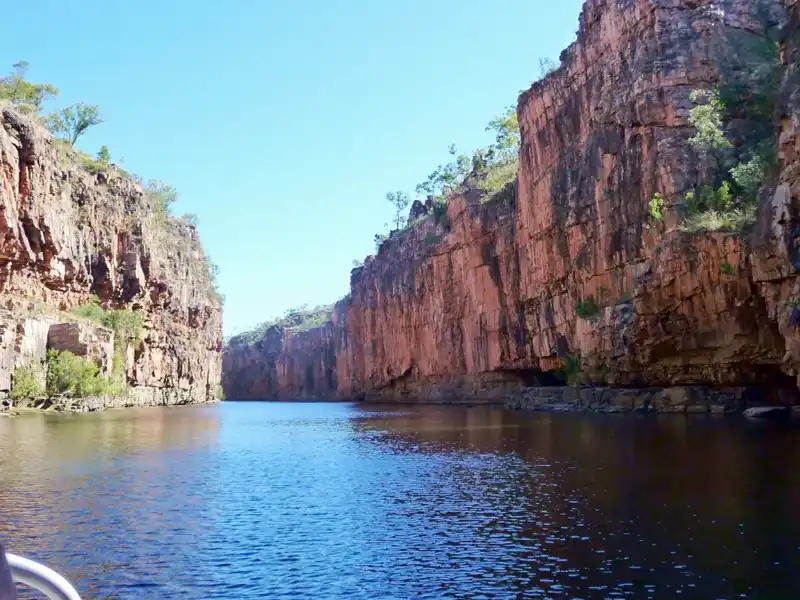
This is the cliff where Half-Caste Joe and his Aboriginal daughter, Jedda, leapt to their deaths in the 1955 film Jedda.
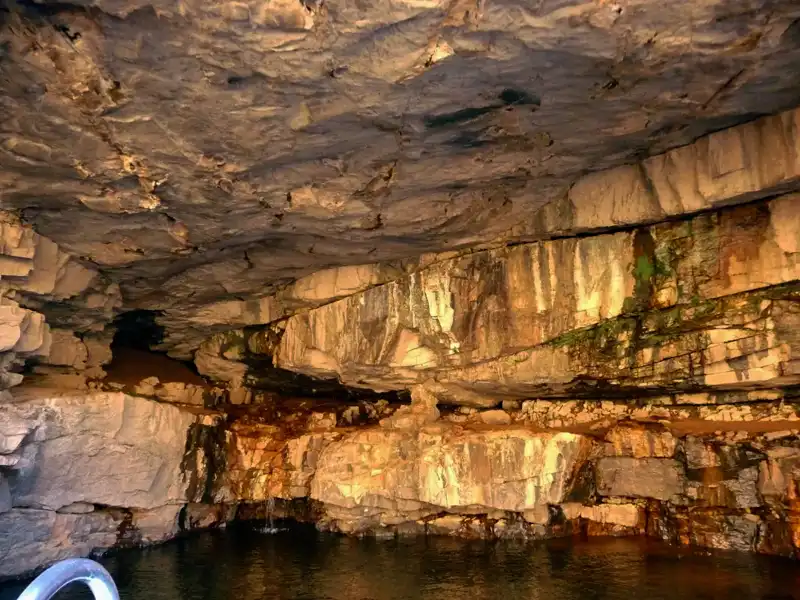
During our cruise through Katherine Gorge, we discovered several impressive caves carved into the sheer cliff faces. Some were large and shadowy, others tucked high above the waterline, adding a sense of scale and mystery to the ancient landscape as we glided past.
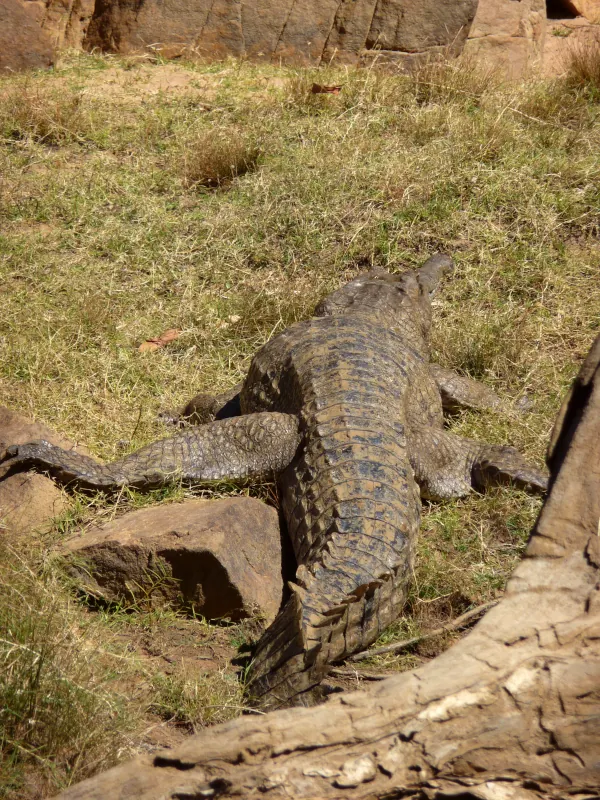
On our Two Gorge Cruise through Nitmiluk Gorge, we spotted freshwater crocodiles stretched out along the riverbanks, motionless in the sun. Their stillness made them easy to miss at first, blending perfectly into the landscape and adding a quiet thrill to the cruise.
Leliyn (Edith Falls)
After leaving Katherine, we travelled to Leliyn (Edith Falls) in Nitmiluk National Park, where we spent several peaceful days camping at the small campground. Surrounded by natural bushland, it proved to be an ideal base for swimming, short hikes, and exploring nearby waterfalls. The campground is well equipped with picnic tables, gas barbecues, showers, and restrooms. With generators not permitted, the area stays wonderfully quiet and relaxed—making Edith Falls one of the best things for us to experience in the Northern Territory.
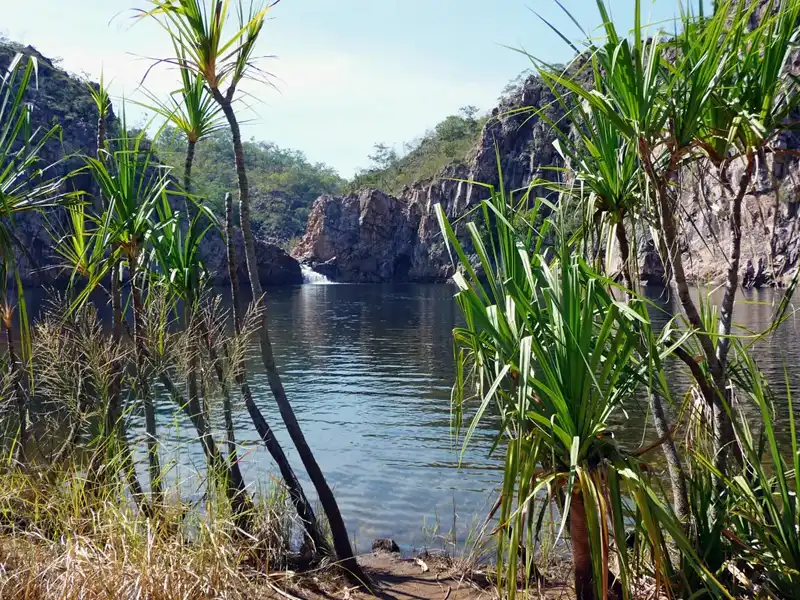
We enjoyed swimming in the lower pool, surrounded by a beautiful waterfall and dramatic scenery. but Visitors should be aware that saltwater crocodiles may be present during the wet season.
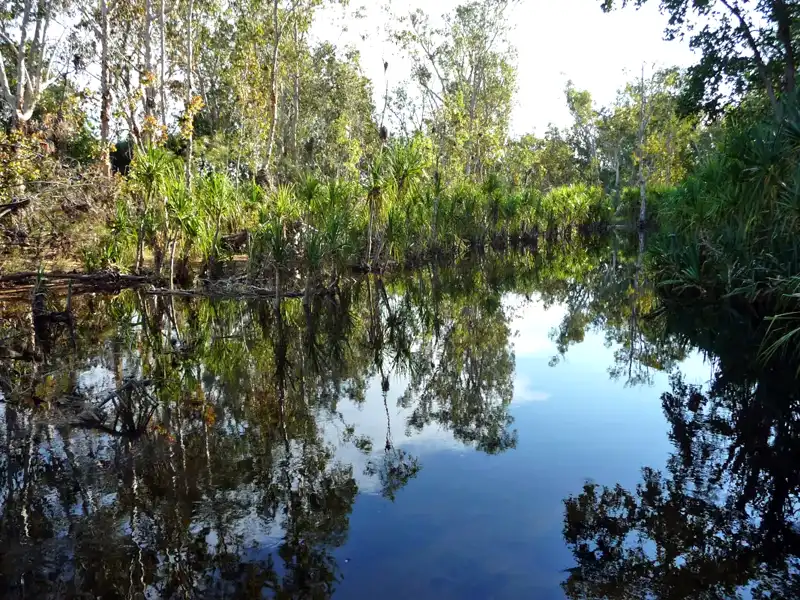
The Leliyn Trail is a delightful one-hour walk with a beautiful view of the Edith River.
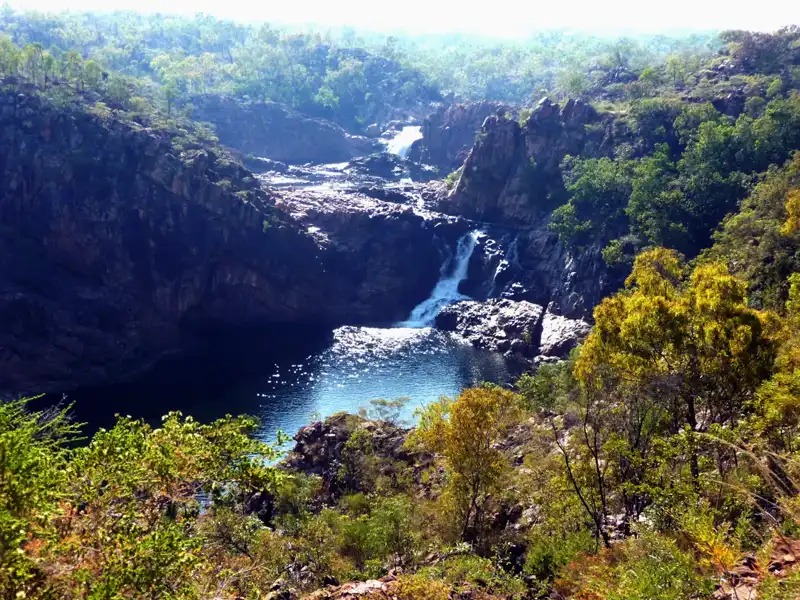
We tackled the challenging Sweetwater Pool Trail, an 8.6 km return hike that includes several rocky scramble sections. From the lookout, we had stunning views over the upper pool at Leliyn (Edith Falls). Rather than swimming, we continued for another two hours along the Jatbula Trail before returning to our campsite. It was an exhausting walk, made tougher after we ran out of water.
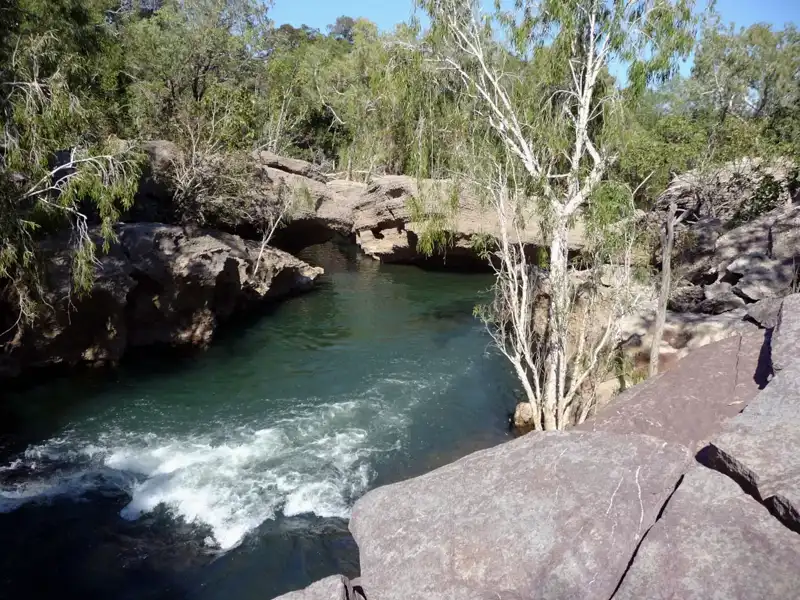
We made a detour to Douglas Daly and spent one night at the local Holiday Park. Before driving to the Litchfield National Park, we hiked along the Douglas River. View of the famous “Arches”.
Back to table of contents
Litchfield National Park
The wonderful Litchfield National Park is just a 90-minute drive from Darwin and is a hidden gem. In fact, we enjoyed the park much more than the famous Kakadu National Park. The ancient landscape, shaped by water, is truly breathtaking. In addition to the great hiking trails, there are stunning waterfalls and crystal-clear swimming holes. Most importantly, for us, it was awesome walking through an area where Aboriginal people have lived for thousands of years.
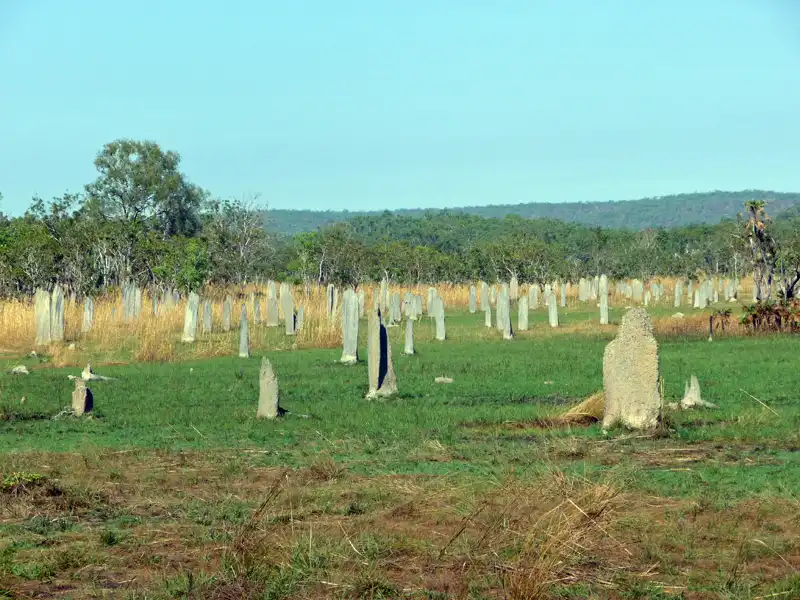
The Magnetic Termite Mounds in Litchfield National Park are like magnetic compasses. Their thin edges point north-south, while their backs face east-west. The mounts warm up quickly in the morning sun and at the hottest time of the day face the thin part of the mount, to keep the temperatures cool. The termites are tiny but incredibly smart.
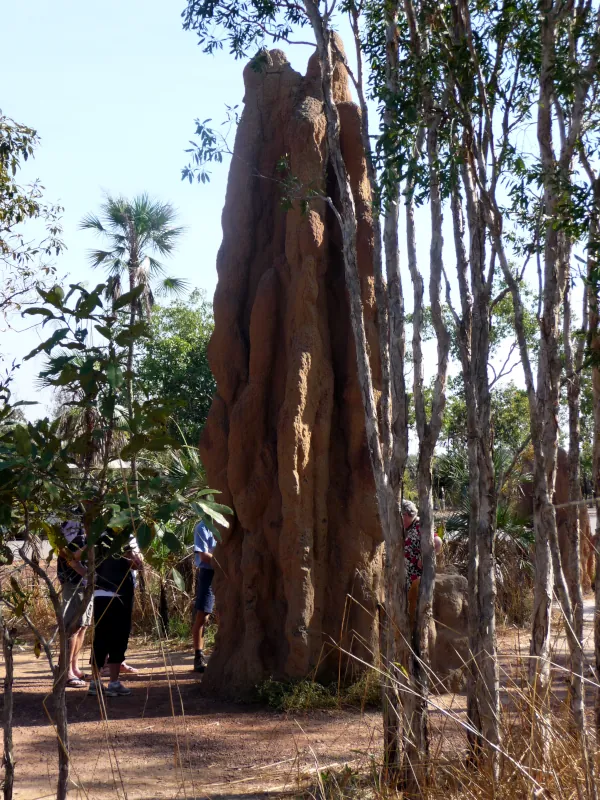
The impressive Cathedral Termite Mounds in Litchfield National Park rise several metres high and are among the most striking natural features of the park.
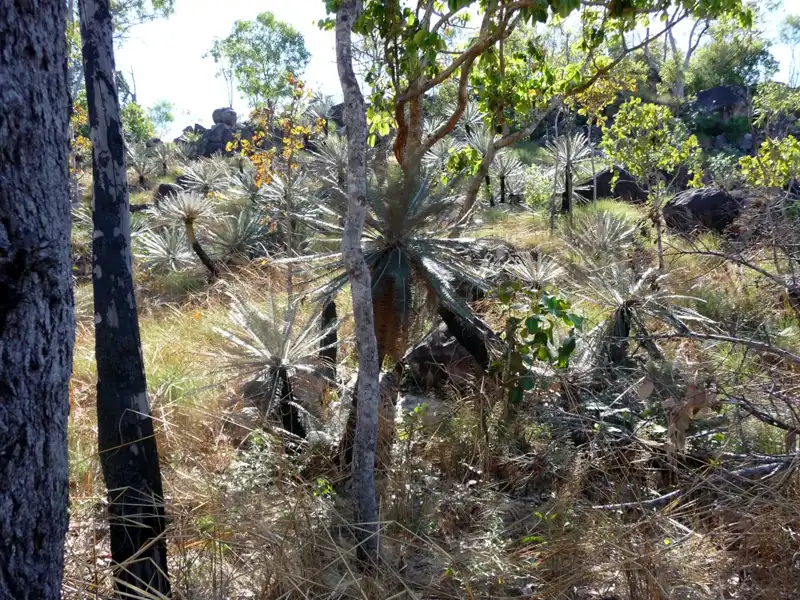
Litchfield National Park is a walker’s paradise, offering numerous moderate hiking trails. We especially enjoyed this morning hike through lush tropical vegetation.
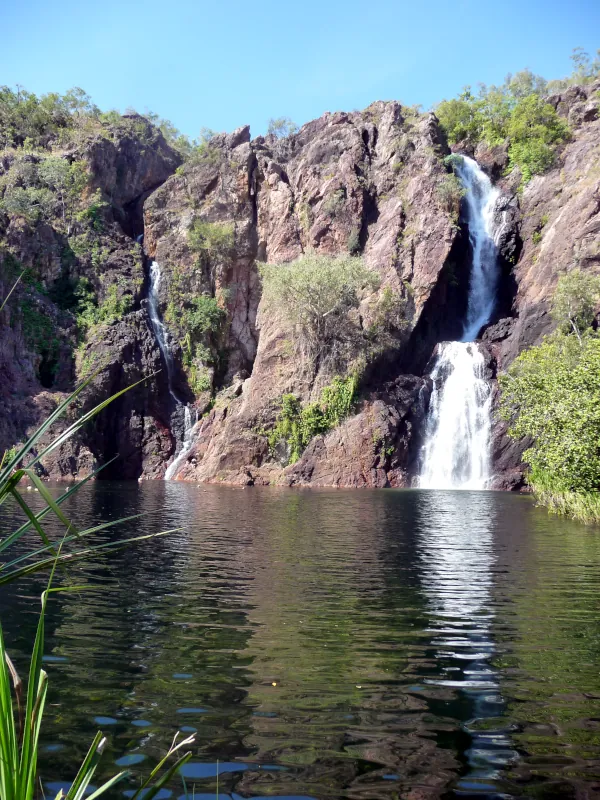
Wangi Falls is the most popular swimming spot in Litchfield National Park, featuring a large, deep plunge pool. We loved swimming right up to the base of the waterfall.
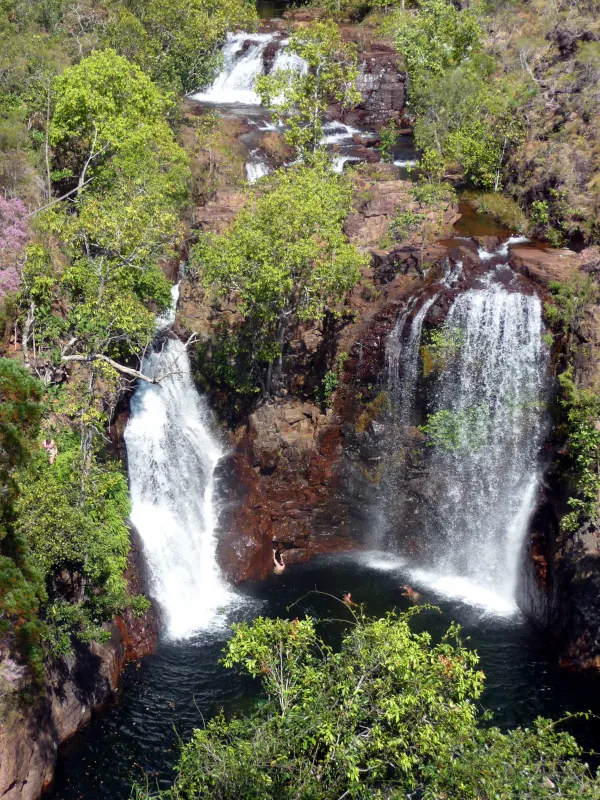
We hiked the Shady Creek and Florence Creek trails in Litchfield National Park. After walking through picturesque bushland, were we had a stunning view of the cascading Florence Falls.
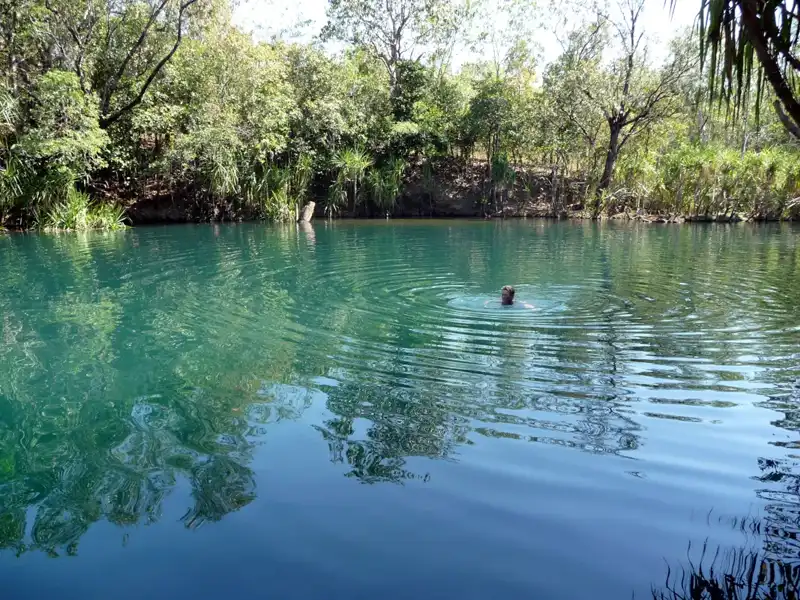
After leaving Litchfield National Park, we drove to Darwin to catch our flight home. Along the way, we stopped halfway at Berry Springs Nature Park for a refreshing swim in the hot spring water. All in all, our trip to the Northern Territory was fantastic, and this was a perfect way to end it.
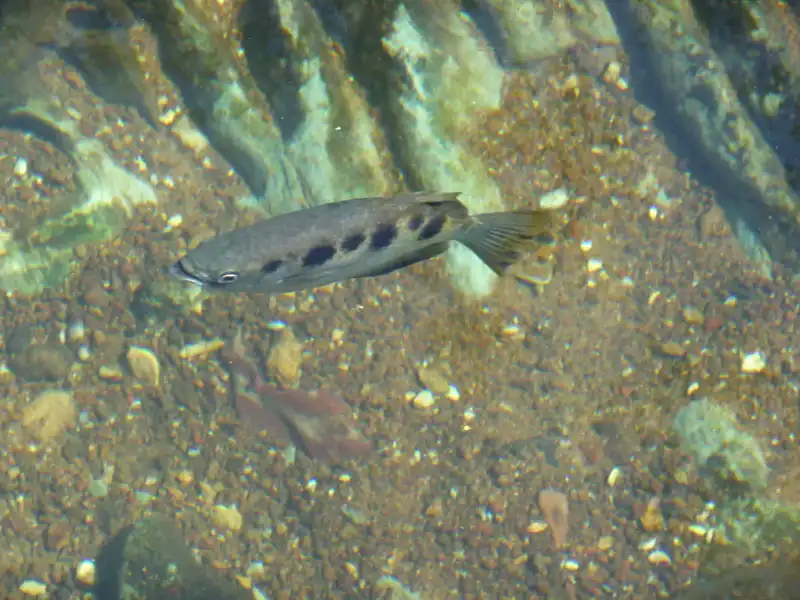
At Berry Springs, a curious fish circled us—a delightful little send-off as we enjoyed our final swim.
More from Northern Territory: Red Centre