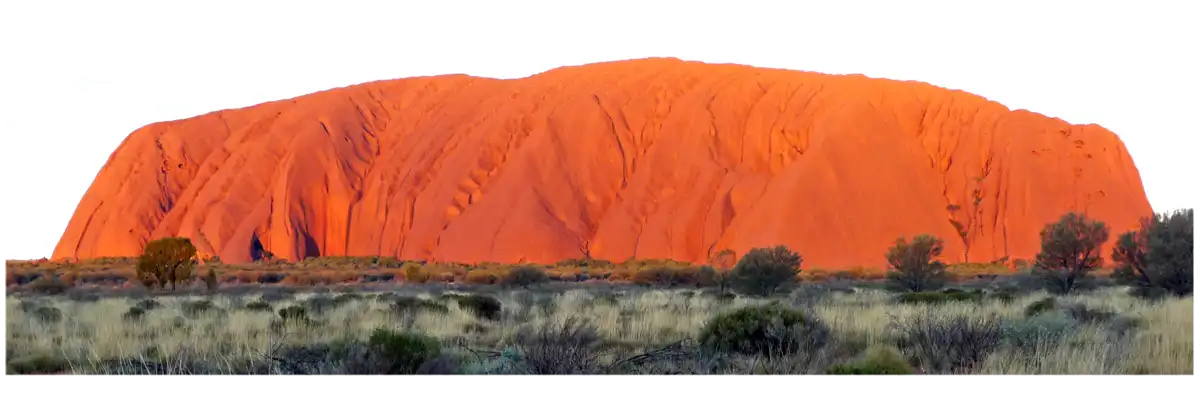
Independent travellers, find your adventure in this amazing big country
Australia – Our Home and Adventure Playground
Australia Travel Guide: A Roadmap for Independent Senior Travellers
During our 36 years in Australia, we have explored almost every corner of this remarkable country, discovering unforgettable landscapes and gathering first-hand experiences to help fellow independent senior travellers. From the tropical rainforests of the Daintree and the wildlife-rich wetlands of Arnhem Land to the vast Red Centre, which stretches across more than 600,000 square kilometres of rugged outback, Australia offers an extraordinary diversity of natural wonders.
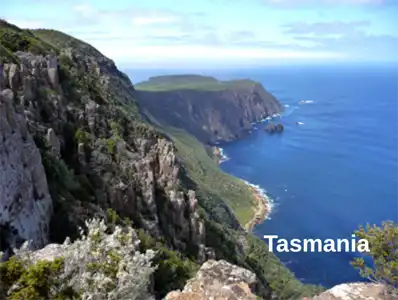
Having laced up our boots across much of this remarkable continent, we still find it impossible to choose a favourite destination. Some of our most memorable adventures have been close to home in the spectacular national parks of New South Wales. During the hottest months, we escaped south to Tasmania, where cool mountain air and world-class hiking trails provided the perfect retreat. In winter, we headed north to chase the sunshine, exploring the ever-changing colours of the Red Centre, discovering the rich wildlife of the Northern Territory, and venturing into the remote wilderness of Arnhem Land.
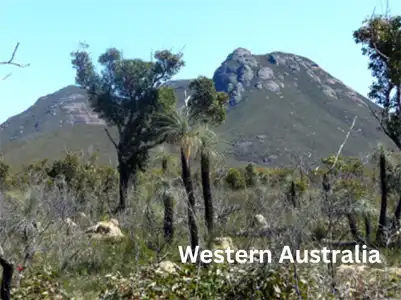
Our journeys have also taken us along the spectacular coastline of Western Australia, through the ancient landscapes of the Kimberley, to the pristine wilderness of Kangaroo Island, and into the lush tropical rainforest of the Daintree. Along the way, we have enjoyed countless scenic road trips, rewarding hikes, remarkable wildlife encounters, and some of Australia’s most breathtaking national parks.
Australia’s wildlife has made every journey even more memorable. Over the decades, we have been fortunate enough to encounter many of the country’s most iconic animals in their natural habitat. We will never forget spotting the elusive cassowary wandering through the ancient Daintree Rainforest, seeing Tasmanian devils in the wild, watching enormous red kangaroos bounding across the outback, and sharing dusty tracks with emus. In the Top End National Parks, crocodiles ruled the waterways, while colourful parrots, cockatoos, kookaburras, wedge-tailed eagles, and countless other native birds accompanied us almost everywhere we travelled. Every region revealed new wildlife and unforgettable experiences.
Whether you are planning an epic road trip, searching for Australia’s best hiking trails, hoping to experience unique wildlife, or simply looking for inspiration for your next adventure, this Australia Travel Guide brings together our favourite destinations, practical travel tips, and personal experiences to help you explore Australia with confidence. If you love hiking, nature, and wildlife, Australia is a destination that will reward you with memories that last a lifetime.
Australia Travel Guide: Essential Travel Tips for Australia
Best Time to Visit Australia
Spring (September–November) and Autumn (March–May)
These are generally the best seasons to visit Australia. Mild temperatures, pleasant weather, and fewer crowds make them ideal for sightseeing, hiking, and exploring the country.
Winter (June–August)
A great time to visit tropical northern Australia and the Red Centre. Expect warm, dry days in destinations such as Darwin, Cairns, Kakadu, and Uluru.
Summer (December–February)
Summer can be very hot and humid in northern Australia. In the south, however, it is the peak beach season, with long sunny days perfect for coastal holidays. We often escaped to Tasmania during summer, enjoying its cooler climate and refreshing temperatures. Occasionally, bushfires can cause smoke and haze in some regions.
Things to Consider About Summer
Summer is Australia’s busiest holiday season. Popular destinations can be crowded, accommodation prices are often higher, and booking ahead is essential. Extreme heat can also affect travel plans, particularly in inland areas.
For most travellers, spring and autumn offer the best combination of comfortable weather, lower costs, and fewer crowds.
Driving
- Australians drive on the left-hand side of the road.
- Familiarise yourself with roundabouts before setting off, as they are common throughout the country.
- On multi-lane roads, slower traffic should keep left, while the right lane is generally used for overtaking.
- Road rules can vary slightly between states and territories.
Wildlife Warning: Avoid driving at dawn, dusk, and during the night whenever possible. Kangaroos, wombats, and other wildlife are most active at these times and can unexpectedly cross the road.
Remote Travel: If travelling in remote areas, carry plenty of drinking water, a paper map or downloaded offline maps, and basic emergency supplies. Mobile phone coverage and internet access can be limited or unavailable.
Quarantine Regulations
Australia has strict quarantine laws to protect its agriculture, wildlife, and environment. Fresh fruit, vegetables, plants, and certain food products may be restricted when crossing state borders or travelling to Tasmania. Always check local regulations before you travel.
Eating Out
Most towns have a local pub, café, or restaurant offering good meals. For excellent value, consider visiting RSL, sports, and community clubs, which often serve generous meals at reasonable prices. Visitors are usually welcome, and temporary membership is often available.
Swimming & Beach Safety
Australia’s beaches are beautiful but can also be dangerous.
Patrolled Beaches: Always swim between the red and yellow flags at patrolled beaches, where lifeguards monitor conditions.
Rip Currents: Rip currents are powerful channels of water that can quickly carry swimmers away from shore. If caught in a rip, stay calm, float, and signal for help. When we arrived in Australia and had our first swim at a patrolled beach, my wife was caught in a rip. Fortunately, a surfer picked her up on his board and brought her safely back to shore.
Sun Protection: The Australian sun is extremely strong, even on cloudy days. Wear sunscreen, a hat, sunglasses, and protective clothing, and drink plenty of water, particularly during summer.
Transport & Accommodation
As independent senior travellers, we have learned that comfort becomes increasingly important, but flexibility remains essential for memorable adventures. Australia is a vast country, and we were never keen on spending several days simply getting to our destination.
Motorhome travel gave us the freedom to travel at our own pace, change plans along the way, and stay close to nature. As senior travellers, we preferred a little extra comfort and space, so we usually hired a four-berth motorhome rather than a smaller vehicle. Having our accommodation and kitchen with us made travelling easy and flexible.
For road trips by car, we often stayed in cabins, holiday parks, or self-contained holiday rentals where we could prepare our own meals. We found this option more comfortable and easier to drive, particularly on narrow country roads and in busy towns.
Both styles of travel have their advantages. Motorhomes offer flexibility and the opportunity to stay in remote locations, while a car combined with holiday accommodation provides greater comfort and easier driving. The best choice depends on your travel style, budget, and the destinations you plan to visit.
Australia Travel Guide: Exploring Australian States & Territories

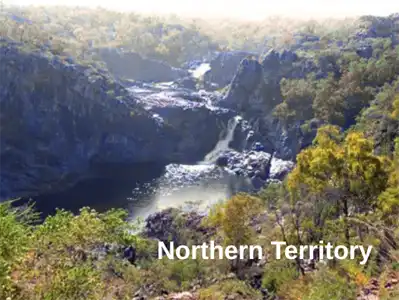
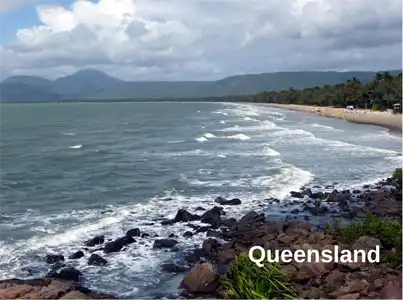
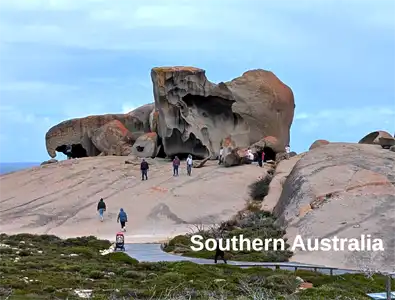
Australia is only one chapter of our travel story. Explore our Senior Independent Travel Guide to discover road trips, hiking adventures, and wildlife experiences from Australia, New Zealand, Southeast Asia, Europe, and North America.