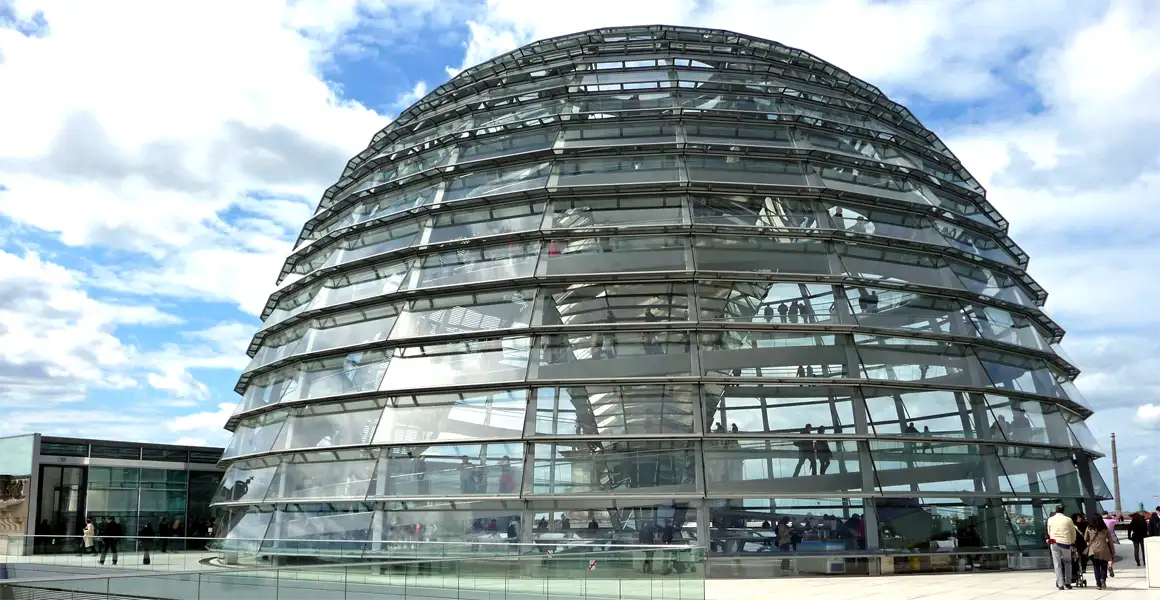
The glass dome on top of the German parliament house
Berlin and Franconia Travel Guide: Exploring Germany’s Capital and Beautiful Franconia
Welcome to our Berlin and Franconia travel guide. After spending time with family and friends, we explored Germany’s vibrant capital before returning to beautiful Franconia, where we revisited favourite hiking trails, medieval towns, and places filled with special memories.
Berlin is one of Europe’s most exciting capitals, where centuries of history blend with vibrant neighbourhoods, world-class museums, and lively cafés along the River Spree. After several fascinating days exploring the city, we travelled south to Franconia, one of Germany’s most picturesque regions. With its medieval towns, forested hills, traditional beer gardens, and excellent hiking trails, Franconia offers a completely different experience. We also returned to Nuremberg, the historic city where we lived for many years, revisiting familiar streets, landmarks, and favourite places while discovering how the city continues to evolve.
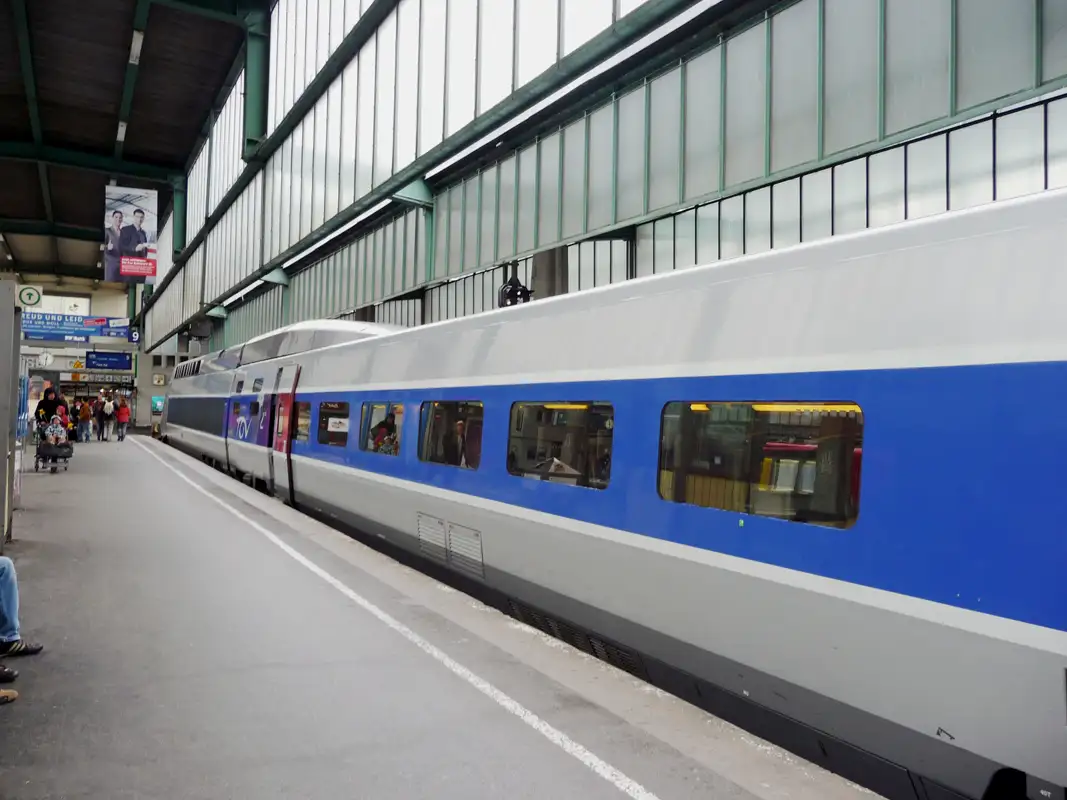
After 22 years, we returned to Germany and enjoyed a wonderful reunion with family and friends. Following several days of hiking in our old backyard in beautiful Black Forest, we boarded a train to Berlin, a city we had never visited while living in Germany. The five-hour journey on Germany’s high-speed ICE train was an experience in itself, reaching speeds of up to 250 km/h. Even more surprising was the price—our tickets cost only about AU$30, making it an affordable and comfortable way to travel across the country.
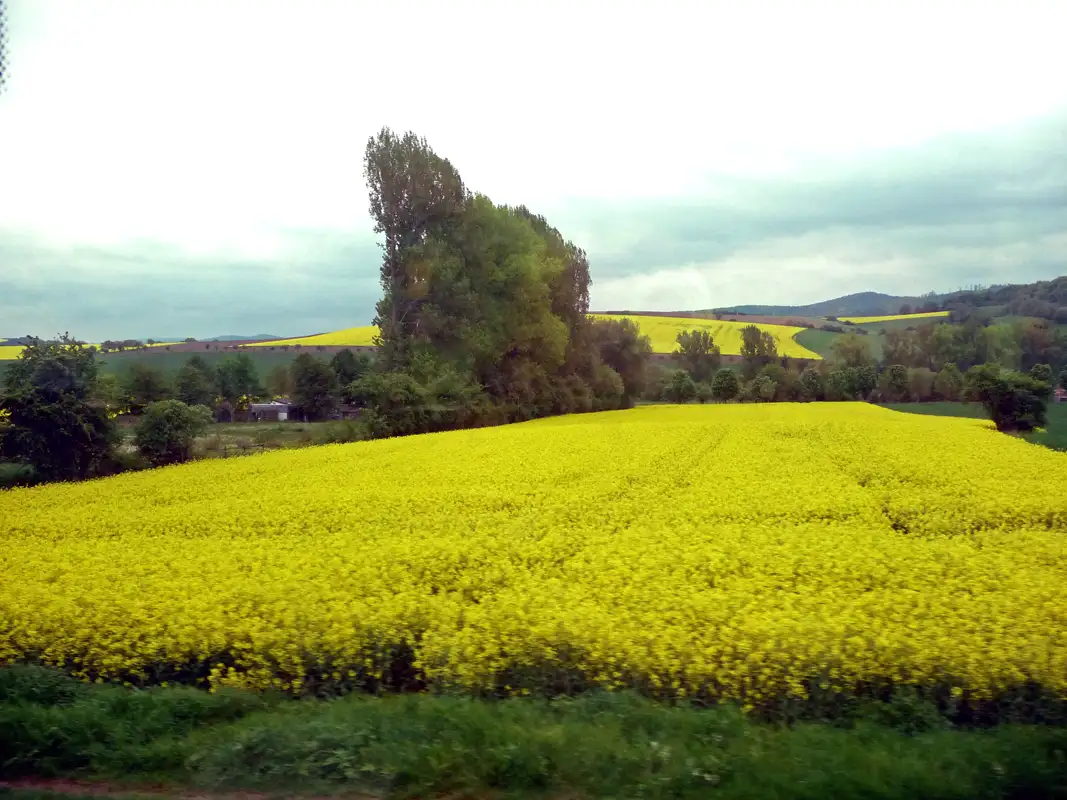
Germany is renowned as an industrial powerhouse, yet much of the country is surprisingly rural. As our high-speed train made its way to Berlin, we travelled mainly through peaceful countryside, passing rolling farmland, forests, and picturesque villages. Watching the ever-changing landscapes glide by was one of the highlights of the journey and offered a different perspective on Germany beyond its bustling cities.
Exploring Berlin
Berlin, Germany’s vibrant capital, is a fascinating city where history, culture, and modern life come together. Renowned for its outstanding museums, world-class art galleries, the Staatsoper, and the famous Berlin Philharmonic, it offers something for every visitor. Iconic landmarks such as the Brandenburg Gate, the Berlin Wall, and the Reichstag, home of the German Parliament, reflect the city’s remarkable past.
Berlin is a city that never feels boring. Stroll along the River Spree, browse the shops, discover lively cafés and restaurants, or experience its famous nightlife. The city is also home to countless parks and beautiful lakes, providing plenty of opportunities to relax outdoors. After a day of exploring, there’s no better way to unwind than with a refreshing drink and traditional German food in one of Berlin’s welcoming beer gardens.
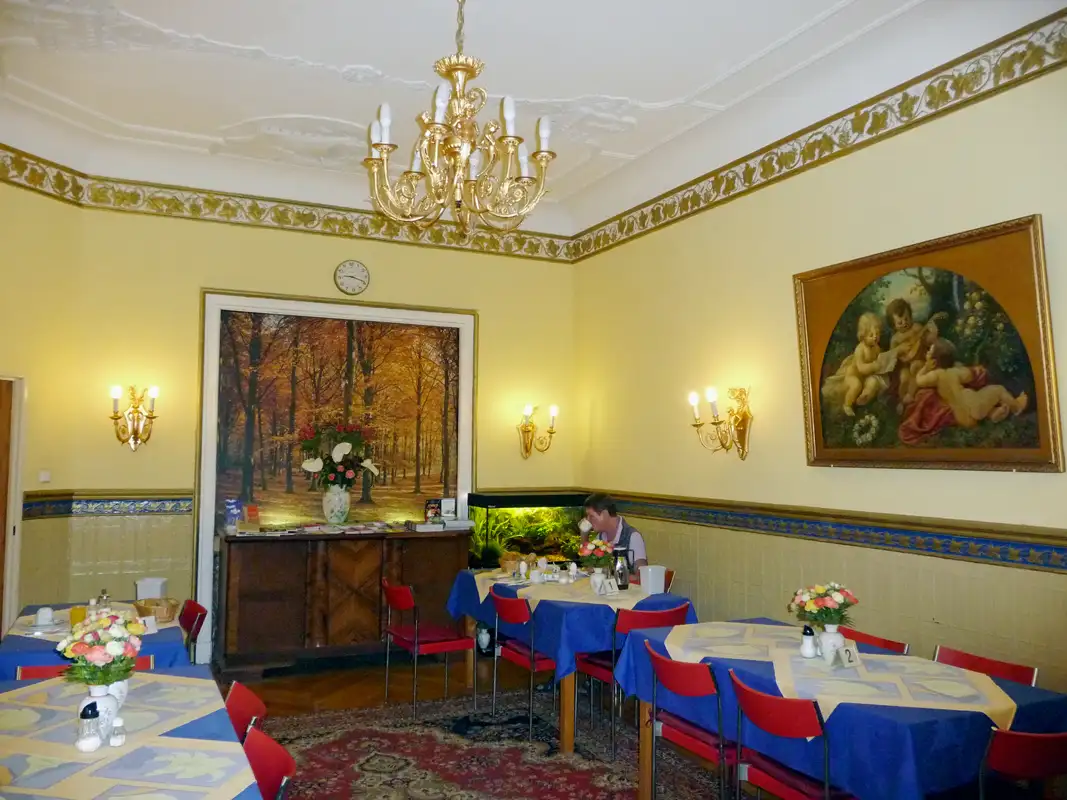
On arrival in Berlin, we checked into the small Hotel Gunia, conveniently located near the famous Kurfürstendamm shopping district. With restaurants, major attractions, and the U-Bahn underground railway all within easy walking distance, it was an excellent base for exploring the city. And, just as importantly for us, a traditional beer garden shaded by magnificent chestnut trees was only a short stroll away—the perfect place to relax after a day of sightseeing.
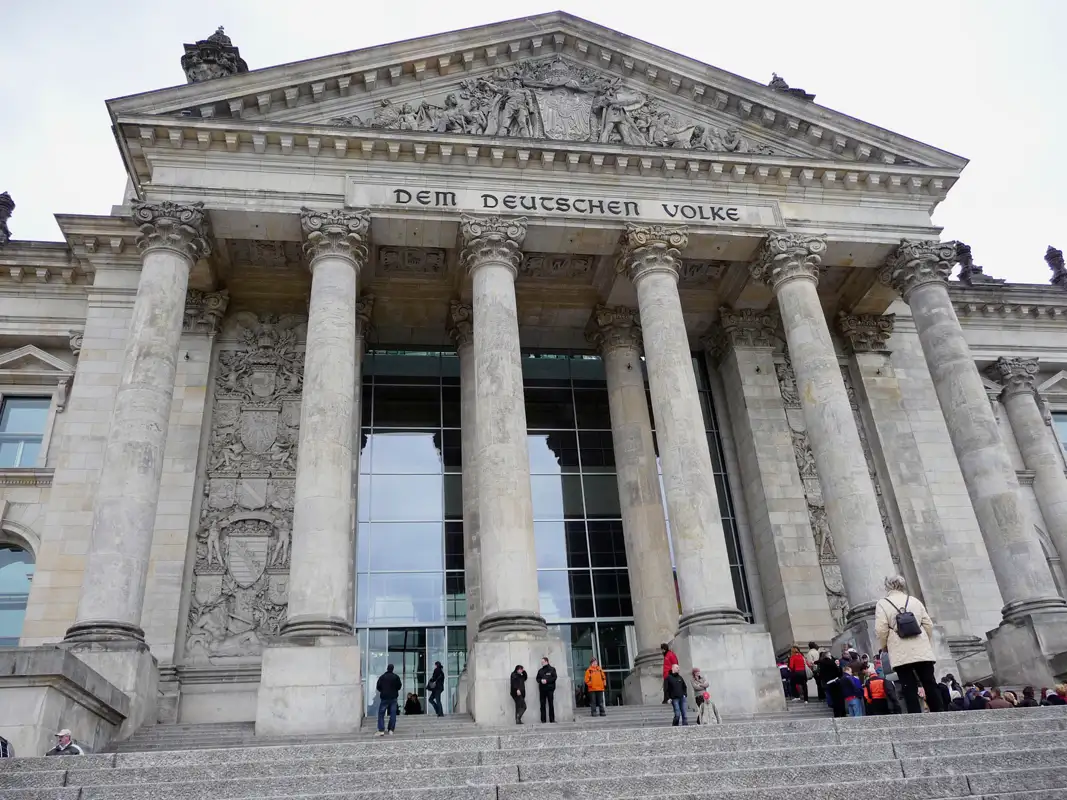
One of the highlights of our visit was touring the Reichstag, home of the Bundestag, the lower house of Germany’s parliament. Originally completed in 1894, the building was badly damaged by fire in 1933 and again during the Second World War. After German reunification, it underwent a remarkable restoration and reopened in 1999, combining its historic façade with a striking modern glass dome that has become one of Berlin’s most recognisable landmarks.
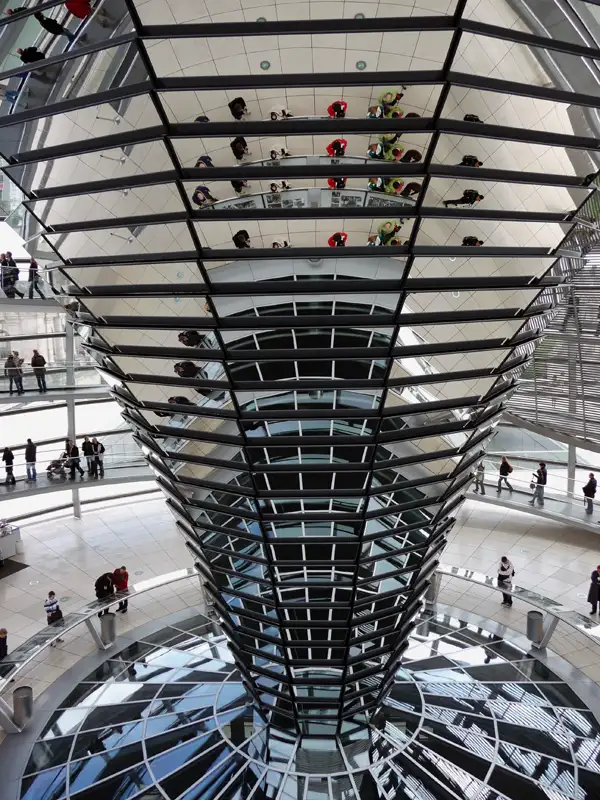
We were especially impressed by the spectacular walk-in glass dome, which rises above the Bundestag’s debating chamber. A gently sloping spiral walkway leads visitors to the top, where breathtaking 360-degree views of Berlin’s skyline await. More than an architectural masterpiece, the glass dome symbolises transparency and openness in Germany’s democracy, allowing visitors to look down into the parliamentary chamber and reminding everyone that government should remain accountable to its citizens.
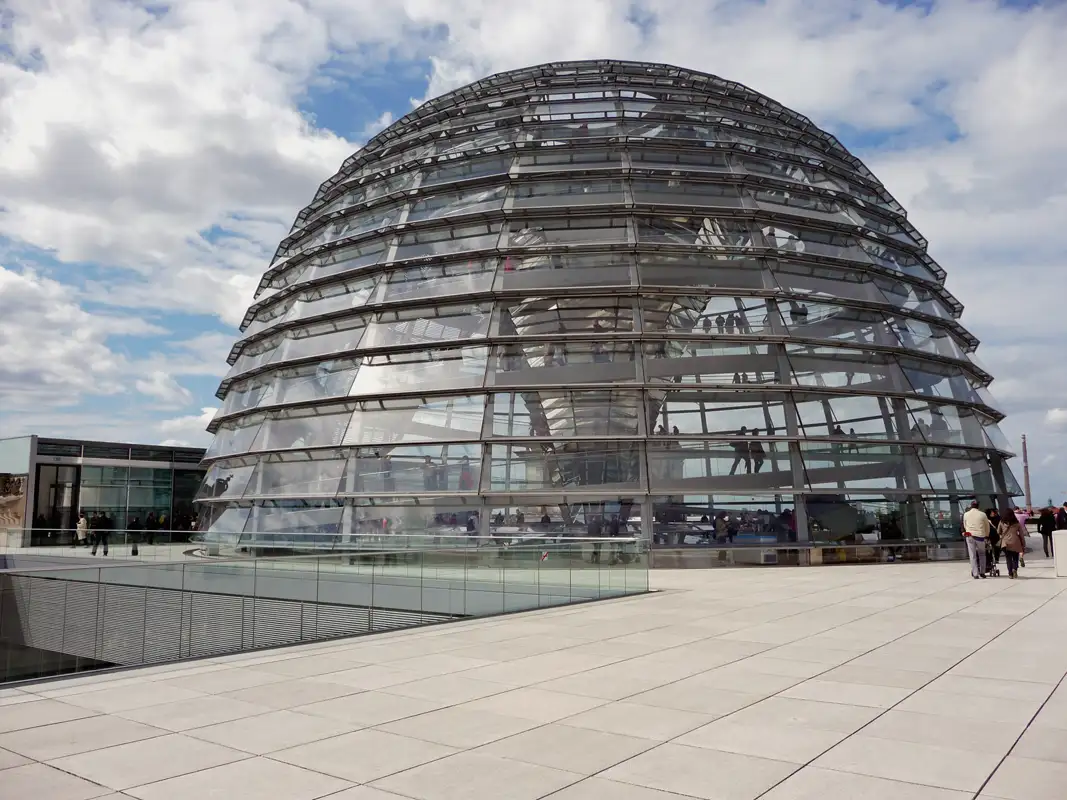
The Reichstag dome is open to the public, and visitors can walk to the top via two gently sloping spiral ramps. At its centre stands a striking mirrored cone that reflects daylight into the parliamentary chamber below, reducing the need for artificial lighting. The innovative design combines sustainability with symbolism, creating a bright and inspiring space while reinforcing the building’s commitment to openness and transparency.
Walk through the City
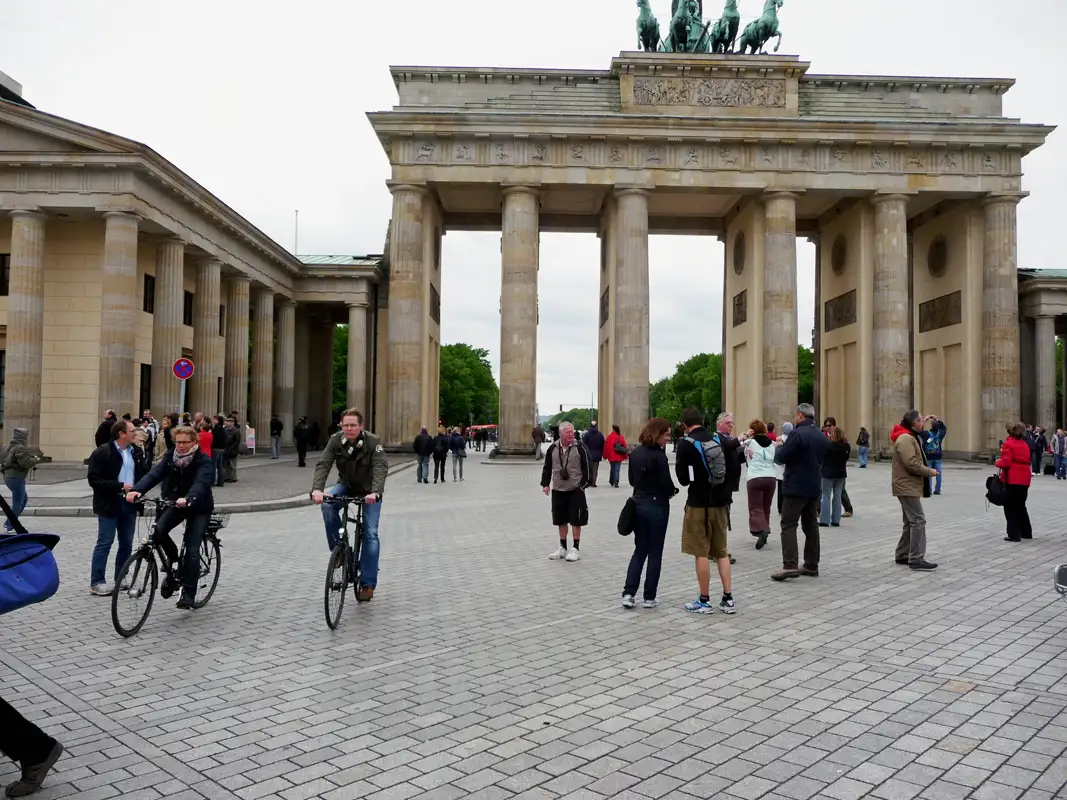
The Brandenburg Gate, Berlin’s most iconic landmark, is an impressive 18th-century neoclassical monument completed in 1791 on the orders of King Frederick William II of Prussia. Inspired by the gateway to the Acropolis in Athens, it has witnessed some of Germany’s most significant historical events. During the Cold War, the gate stood in the restricted border zone between West Berlin and communist East Berlin, becoming a powerful symbol of division. Today, it represents peace, freedom, and the reunification of Germany.
From the Brandenburg Gate, we enjoyed a leisurely walk along the magnificent boulevard Unter den Linden, lined with historic buildings, cafés, and leafy trees, before reaching the famous Museum Island.

Museum Island, a UNESCO World Heritage Site, is one of Berlin’s cultural highlights and a must-visit for anyone interested in history, art, and architecture. The island is home to five world-renowned museums, as well as the magnificent Berlin Cathedral and the reconstructed Berlin Palace, making it one of Europe’s most impressive museum complexes.
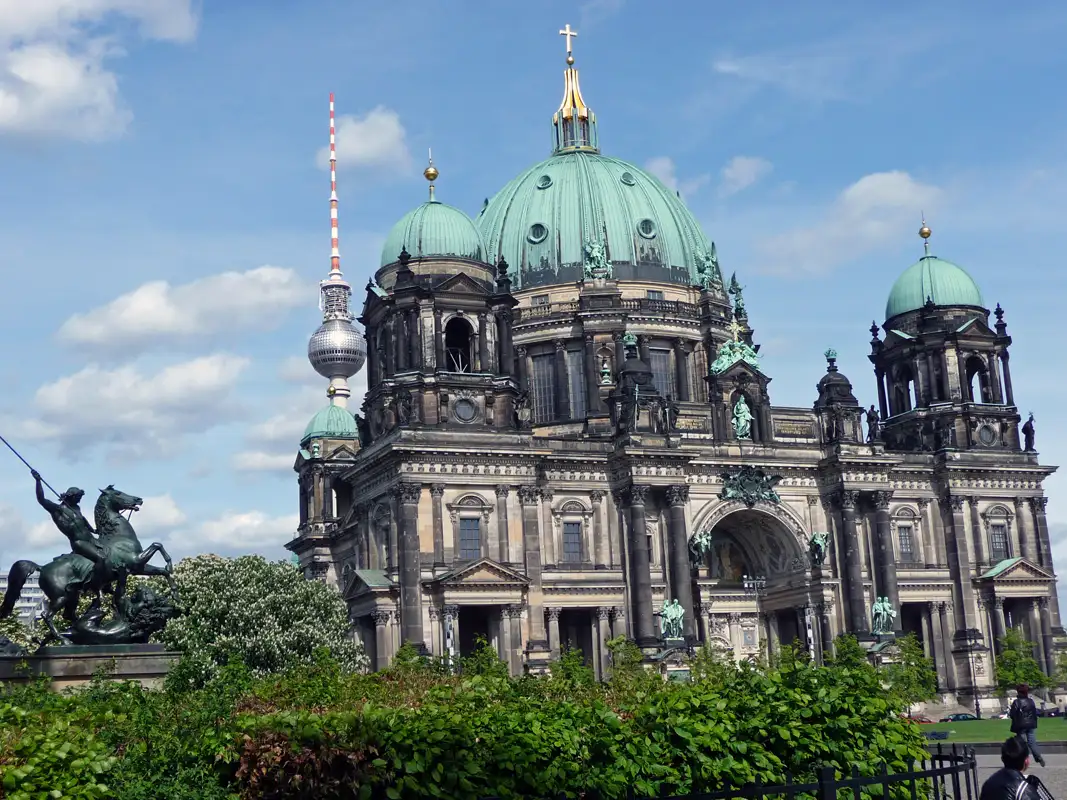
When Emperor Wilhelm II came to power in 1888, he commissioned the construction of the magnificent Berlin Cathedral, envisioning a grand Protestant church to rival the great cathedrals of Rome and London. We were captivated by its richly decorated interior, featuring beautiful marble, intricate mosaics, and ornate gilded details beneath its soaring dome. Today, the cathedral is not only one of Berlin’s most impressive landmarks but also a renowned concert venue, celebrated for its outstanding acoustics and regular programme of classical music performances.
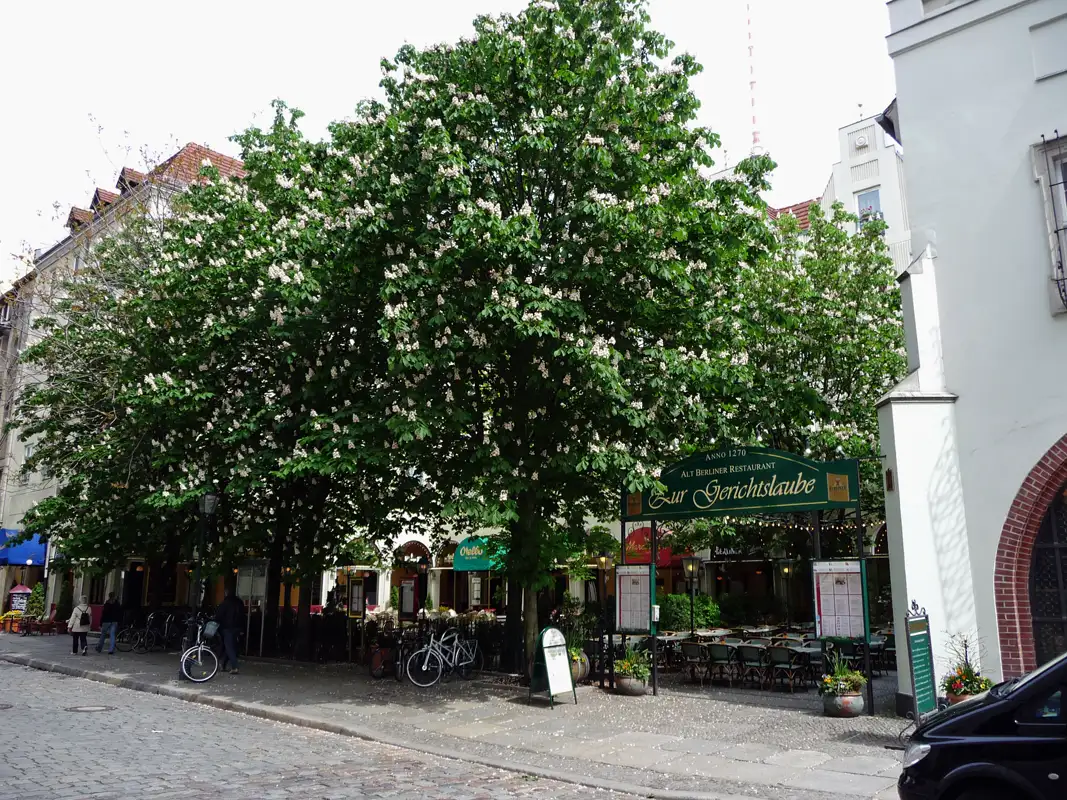
During our childhood, magnificent chestnut trees shaded our garden. We spent countless hours climbing their sturdy branches, building treehouses, and collecting the glossy chestnuts that carpeted the ground each autumn. Those majestic trees are something we truly miss in Australia.
Perhaps that’s why we always seek out a traditional beer garden beneath flowering chestnut trees whenever we visit Germany. In Berlin, one of our favourite places is the charming Nikolai Quarter, where enjoying a leisurely lunch and a cold German beer under the leafy canopy brings back so many wonderful childhood memories.
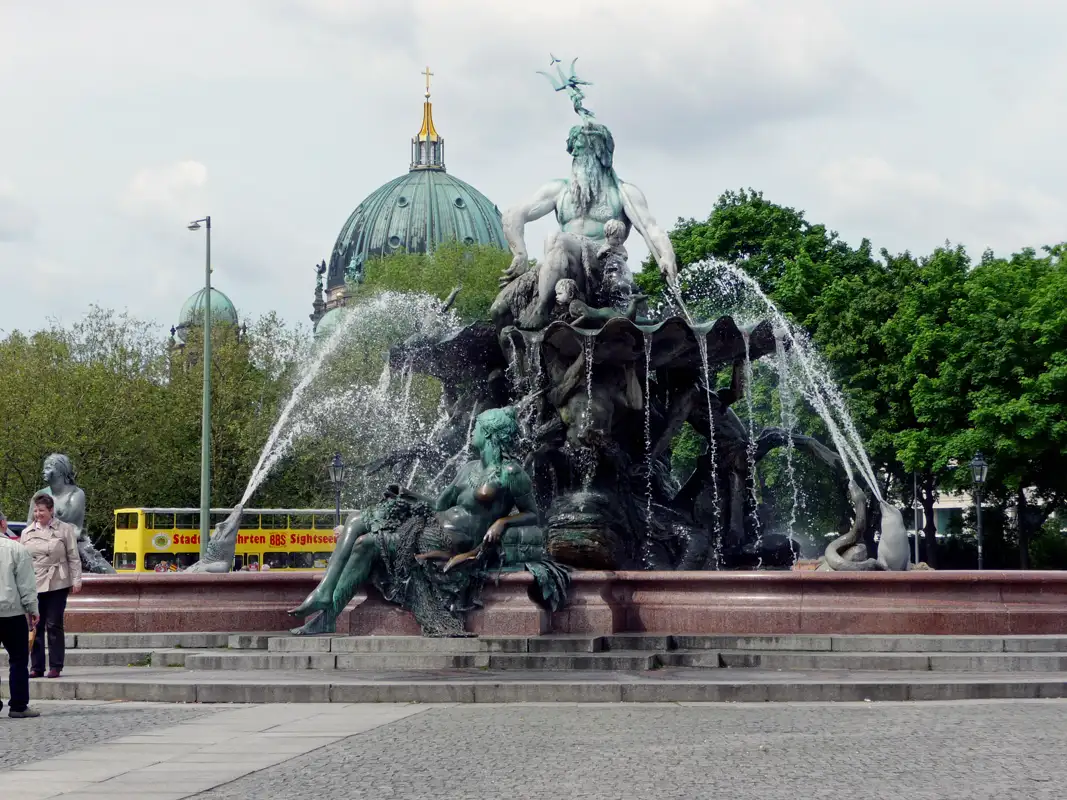
After several hours of sightseeing, we took a well-earned break at the impressive Neptune Fountain. This magnificent bronze and granite fountain features a towering statue of Neptune, the Roman god of the sea, surrounded by graceful water nymphs and a variety of mythical sea creatures. One of Berlin’s most beautiful fountains, it provides a peaceful place to relax while admiring its remarkable craftsmanship.

We ended the day at the lively Hackescher Markt, a vibrant neighbourhood and major S-Bahn and tram hub known for its boutique shops, cafés, restaurants, and welcoming atmosphere. It was also home to another traditional beer garden beneath magnificent chestnut trees—too tempting for us to resist. After a full day of exploring Berlin on foot, we relaxed with a refreshing drink before taking the metro back to our hotel.
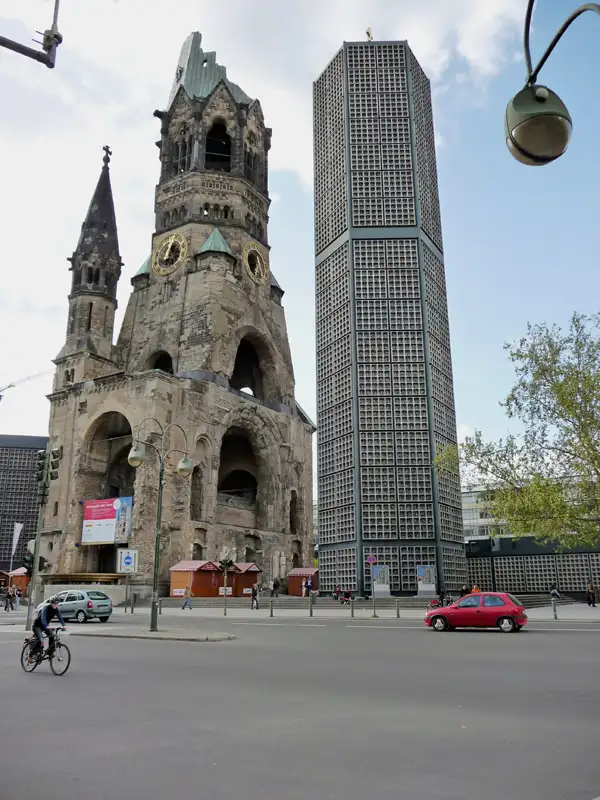
One of Berlin’s most moving landmarks is the Kaiser Wilhelm Memorial Church. Originally completed in 1895, the church was heavily damaged during an air raid in the Second World War. Rather than demolishing the ruined tower, it was preserved when the new church complex was built in 1960. Today, the shattered spire stands as a powerful memorial to the devastation of war and a lasting symbol of peace, reconciliation, and hope.
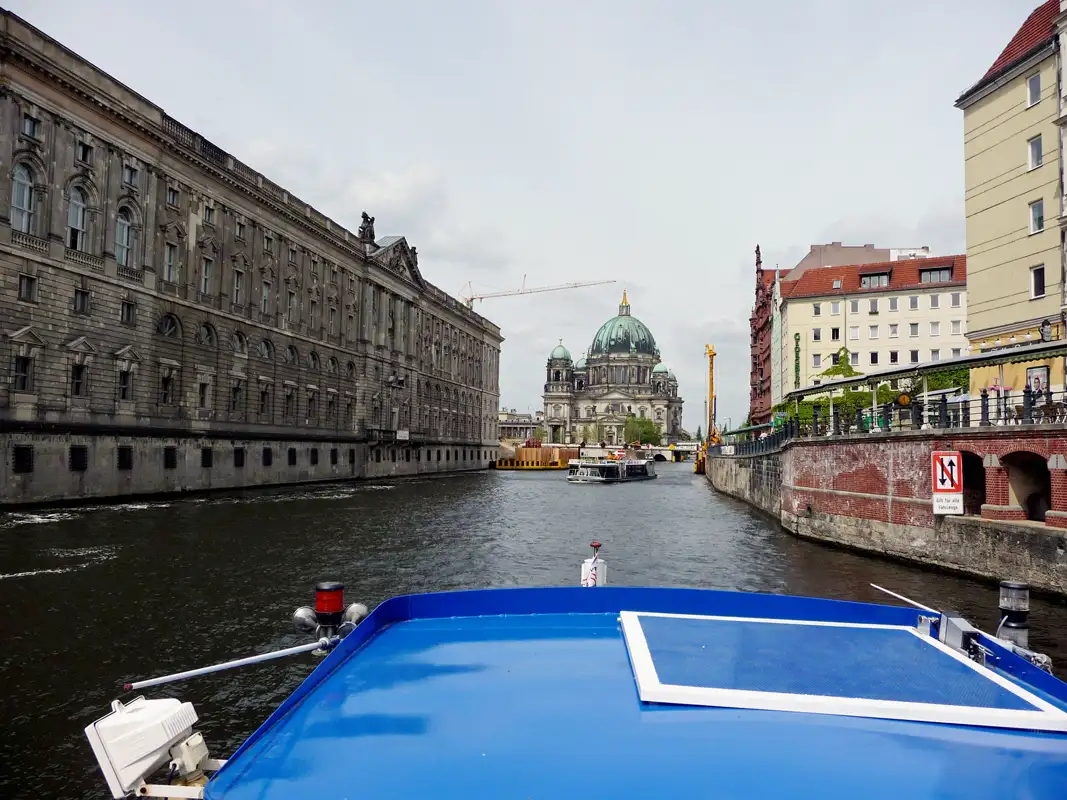
We believe the best way to discover any city is on foot, and Berlin was no exception. After several days of walking, however, our feet deserved a rest, so we booked a relaxing cruise on the River Spree. It proved to be one of the highlights of our visit. As the river winds through the heart of Berlin, it offers a unique perspective of many of the city’s most famous landmarks, historic buildings, and modern architecture—an enjoyable and leisurely way to experience Germany’s vibrant capital.
Hiking in Franconian Switzerland
Franconia is a historic region in northern Bavaria, renowned for its distinctive culture, picturesque landscapes, and rich heritage. Dotted with medieval towns, rolling hills, vineyards, and traditional beer gardens, it is one of Germany’s most rewarding regions to explore on foot. At its heart lies the historic city of Nuremberg, famous for its beautifully preserved Old Town, imposing Imperial Castle, and world-renowned Christmas Market, one of the oldest and most celebrated in Europe.
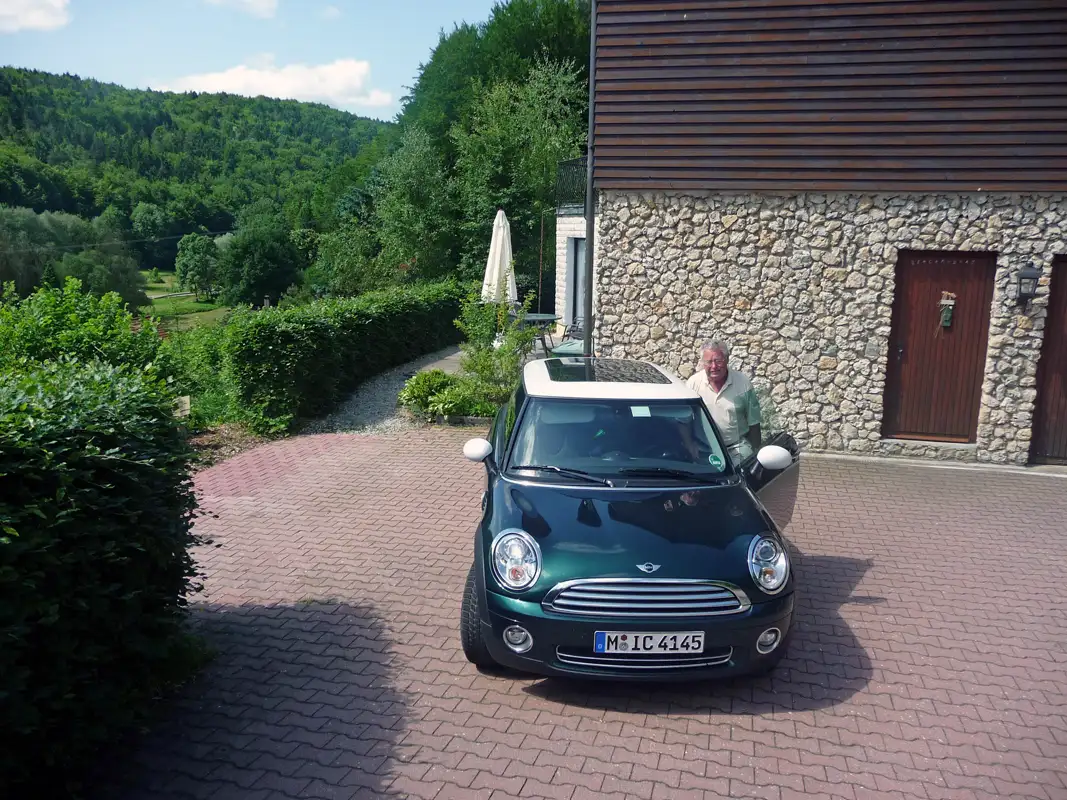
At the end of our wonderful trip, we spent several days in the Fränkische Schweiz (Franconian Switzerland), a beautiful region just north of Nuremberg. Renowned for its rolling hills, forests, limestone cliffs, and charming villages, it is one of Germany’s finest hiking destinations. It’s also a paradise for anyone who appreciates traditional country inns, excellent Franconian cuisine, and locally brewed beer.
For us, this region is especially meaningful. It was here that we first met and enjoyed many hikes together, creating memories that have lasted a lifetime. Returning after so many years was a truly special experience. We were delighted to find a fantastic two-bedroom holiday apartment in Hirschbach, and our hosts made us feel incredibly welcome throughout our stay.

Hirschbach is a picturesque village in the Franconian Alb, surrounded by forests, limestone cliffs, and rolling hills. It is an excellent base for hiking, rock climbing, and exploring the unspoilt countryside of Franconian Switzerland. After our long hikes, we always looked forward to relaxing in the beautiful beer garden of the historic Goldener Hirsch inn, which has been welcoming guests since 1630. Enjoying traditional Franconian food and a locally brewed beer beneath the shade of chestnut trees was the perfect way to end each day.
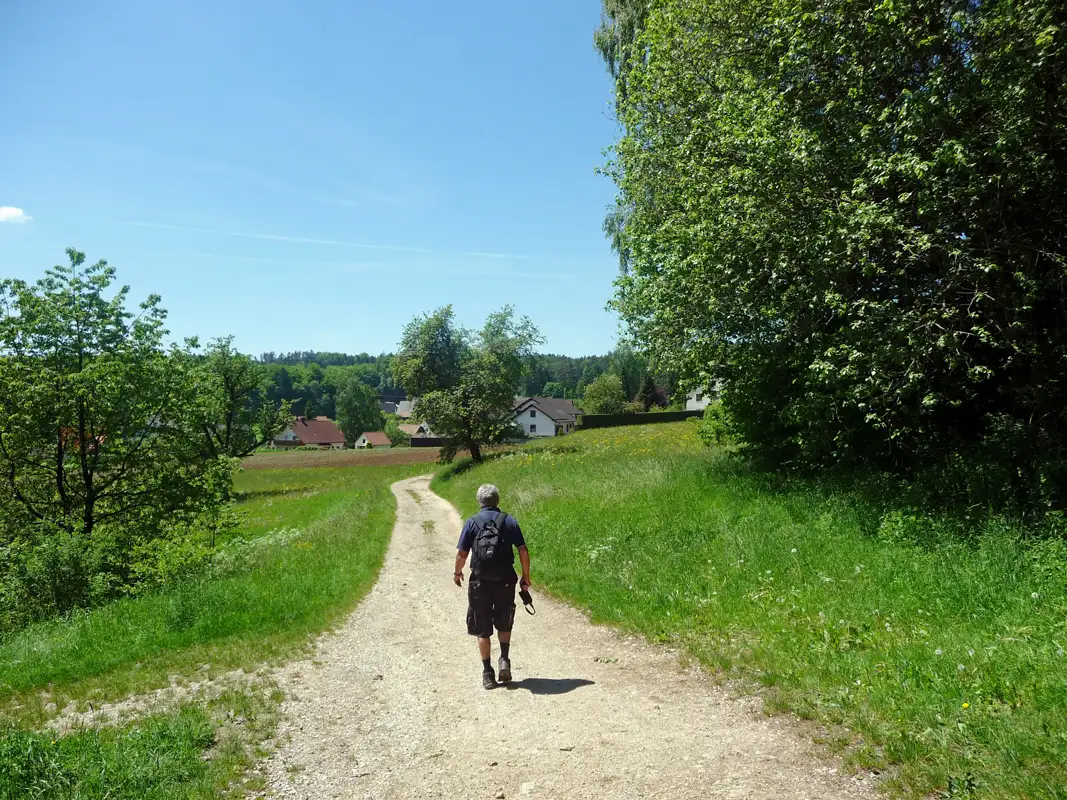
Spring is one of the best times for hiking in Germany. The meadows are carpeted with colourful wildflowers, while the deciduous forests burst into life with fresh green leaves. Our walks took us through peaceful valleys and woodlands, from one picturesque village to the next, where traditional half-timbered houses, historic churches, and welcoming country inns made every stop a pleasure.
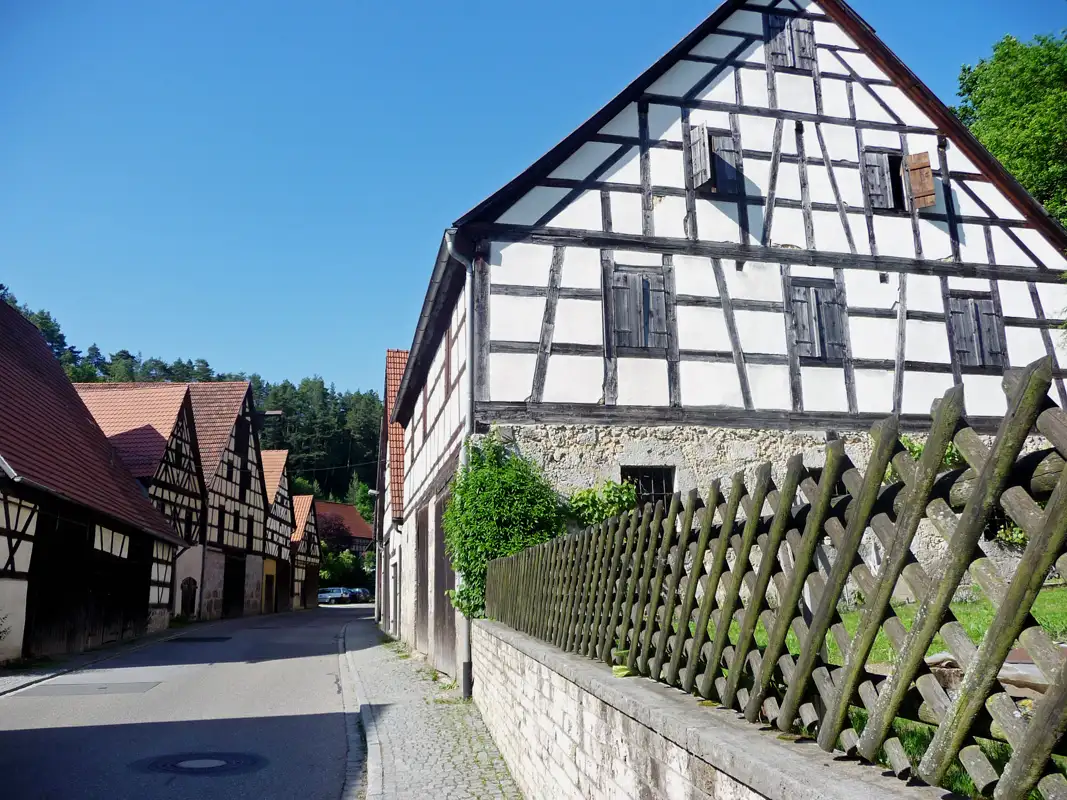
Although the villages are small, you can almost always find a traditional country inn serving excellent Franconian food and locally brewed beer. We visited during spring, which also happens to be the eagerly anticipated white asparagus season. Known as Spargel in Germany, this seasonal delicacy is highly prized throughout Franconia, and we couldn’t resist enjoying it whenever it appeared on the menu.
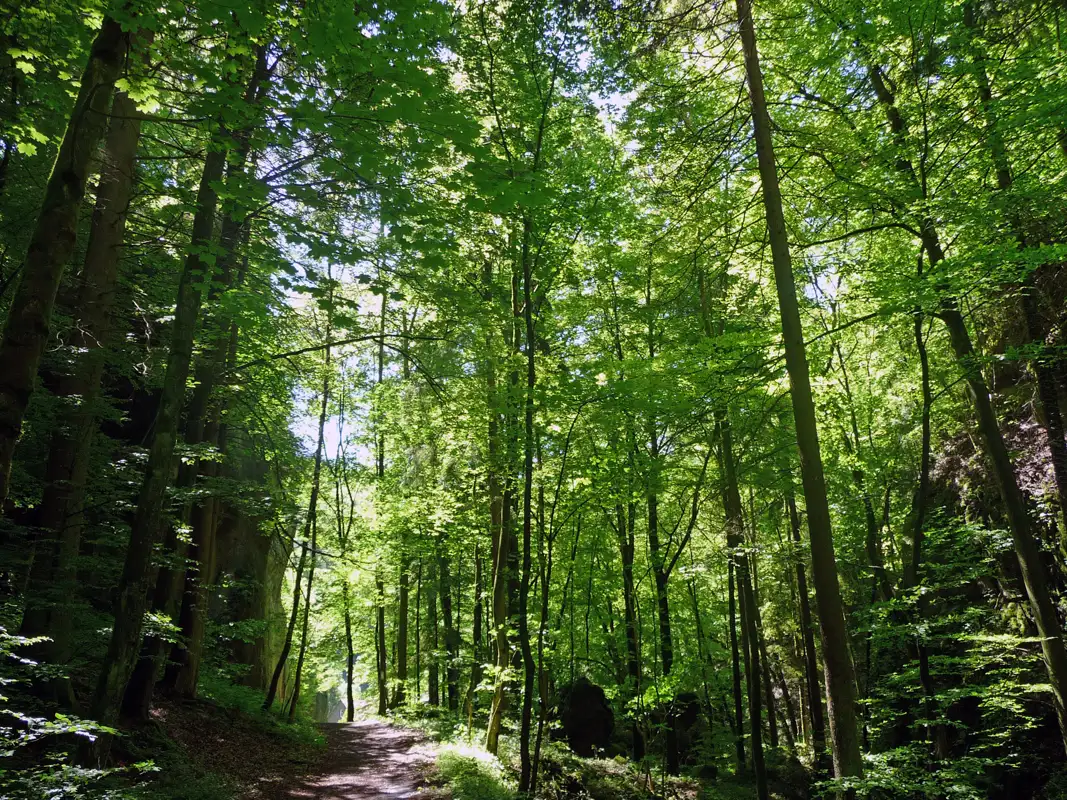
Hiking through the beech forests of Franconia in spring is a truly spectacular experience. Fresh green leaves create a vibrant canopy overhead, while sunlight filters through the trees, illuminating carpets of wildflowers along the forest floor. The peaceful woodland trails make it easy to appreciate the region’s natural beauty.
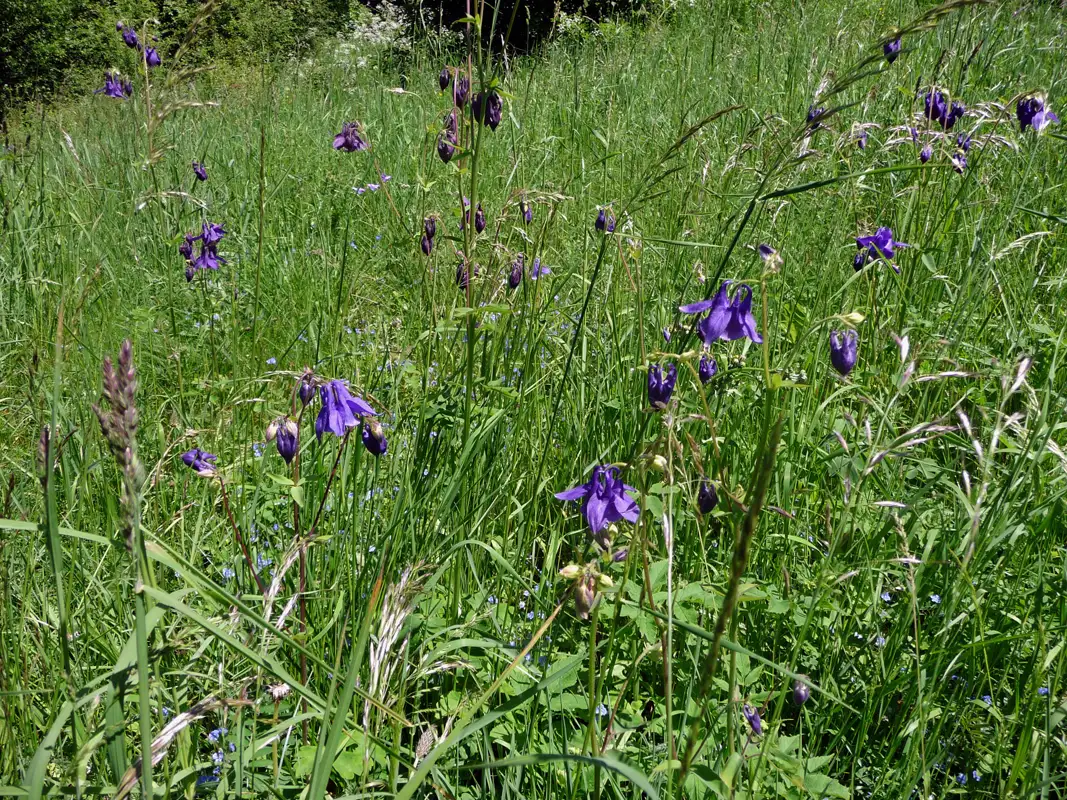
Spring flowers were blooming everywhere, but we were especially delighted to discover the beautiful Akelei (columbine) growing beside the hiking trails. It was a flower we had not seen for many years, and finding it again brought back wonderful memories of our earlier hikes through the forests and valleys of Franconia.
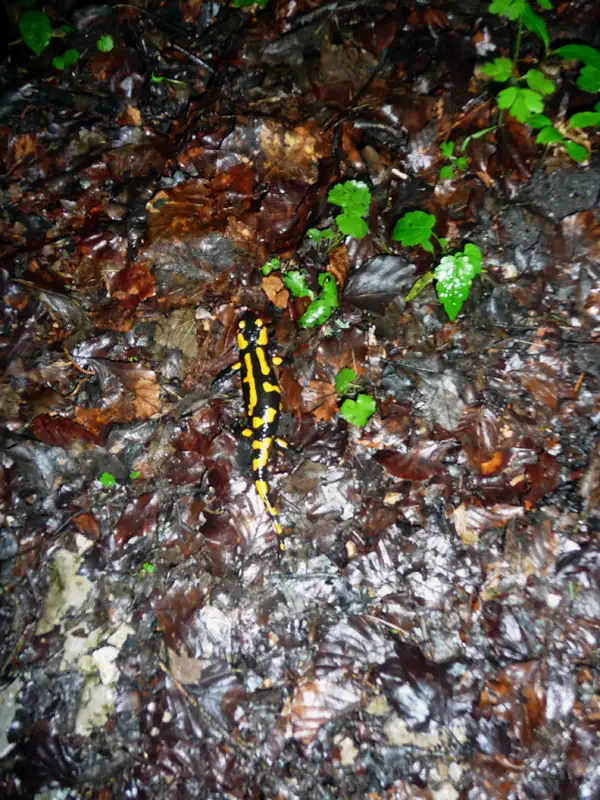
It seemed as though nature had come out to welcome us. First came the beautiful spring wildflowers, including the delicate Akelei, and then, to our delight, we spotted the elusive fire salamander. Seeing this striking black-and-yellow amphibian in its natural habitat was a memorable highlight of our hikes through the forests of Franconia.
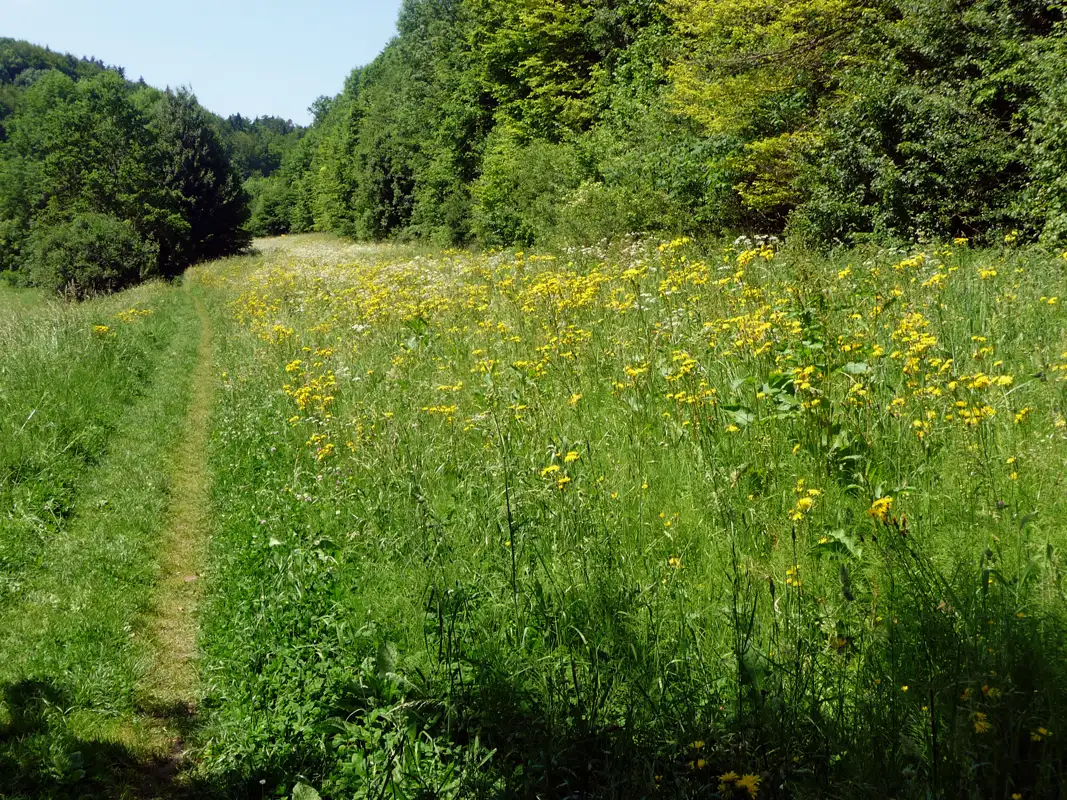
One of our lovely spring hikes in Franconia.

Perched high above the village of Kirchensteinbach in Franconian Switzerland, the thousand-year-old Hohenstein Castle is one of the region’s most impressive landmarks. Once an important stronghold of the Hohenstaufen and later the Wittelsbach dynasties, the castle fell into decline during the 19th century before being carefully restored. Today, visitors can explore its historic walls, admire the small chapel, and enjoy breathtaking panoramic views across the surrounding valleys. The castle is now managed by the Oskar Hacker Foundation and remains a highlight for hikers exploring this beautiful part of Franconia.
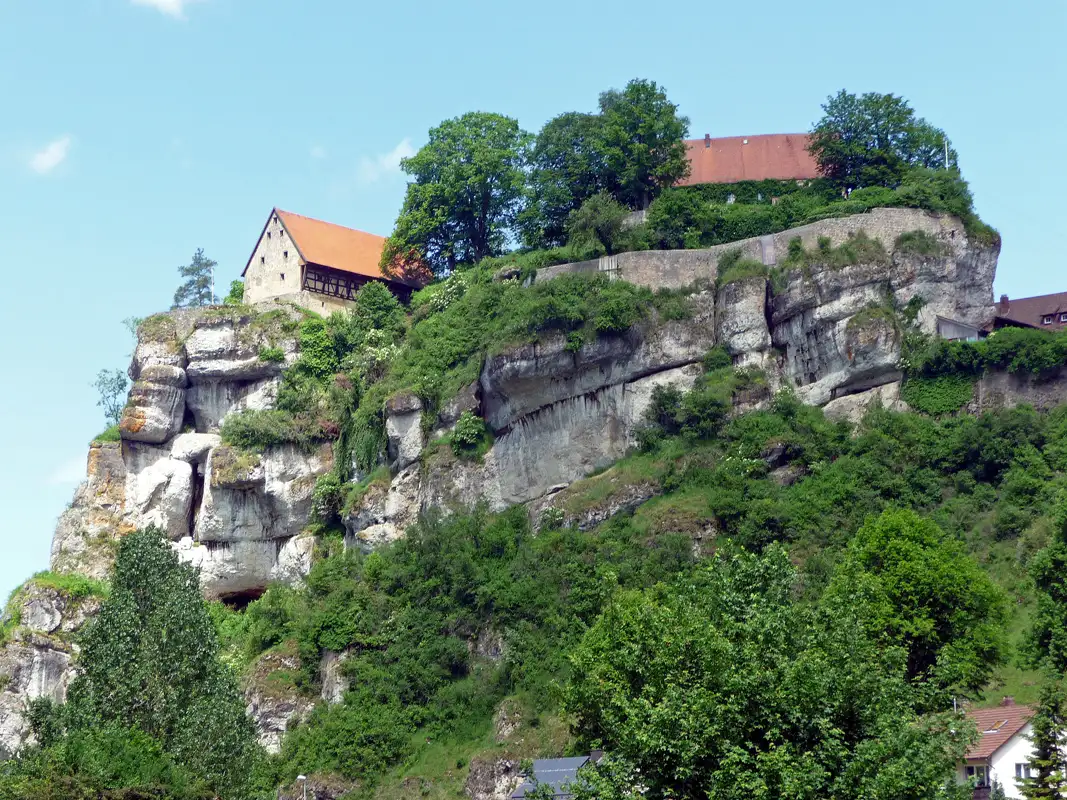
Perched dramatically on a rocky cliff above the town of Pottenstein, Pottenstein Castle (Burg Pottenstein) is one of the oldest castles in Franconian Switzerland. Founded in the 10th century, it has watched over the surrounding valley for more than a thousand years. Today, the castle houses a fascinating museum with historic weapons, furnished period rooms, and exhibitions that bring its long history to life. From its ramparts, visitors are rewarded with magnificent panoramic views across the town and the beautiful Franconian countryside.

As our wonderful journey came to an end, it was time to say goodbye to beautiful Franconian Switzerland. We had enjoyed every minute of our stay—exploring picturesque villages, hiking through ancient beech forests, visiting medieval castles, and relaxing in traditional beer gardens. Most of all, we took home precious memories of returning to the place where we first met and shared so many unforgettable hikes together. It was a journey we will always treasure.
Nuremberg Old Town
We lived for many years in the beautiful and historic city of Nuremberg, home to around 500,000 people. One of our favourite places was the wonderfully preserved medieval Altstadt (Old Town), a charming maze of narrow cobblestone streets, colourful half-timbered houses, and lively squares.
At Christmastime, we loved wandering through the world-famous Nuremberg Christmas Market, sipping warm Glühwein and sampling local favourites such as gingerbread and grilled Nürnberger sausages. The heart of the Old Town is the bustling Hauptmarkt, the city’s central market square, home to two of Nuremberg’s most iconic landmarks: the ornate Schöner Brunnen (Beautiful Fountain) and the magnificent Frauenkirche (Church of Our Lady). Throughout the year, the square comes alive with cafés, market stalls, festivals, and local events, making it the perfect place to experience the city’s unique atmosphere.

As we stroll through the narrow cobblestone alleys, browse the shops, or relax with a coffee in one of the charming cafés, memories of the wonderful years we spent in this medieval city come flooding back.

We visited the Hauptmarkt, Nuremberg’s historic market square, where the 14th-century Schöner Brunnen (Beautiful Fountain) stands. This magnificent Gothic fountain rises 19 metres high and is adorned with colourful sculptures representing the medieval understanding of the world, including philosophy, the liberal arts, the Evangelists, and the Holy Roman Empire.
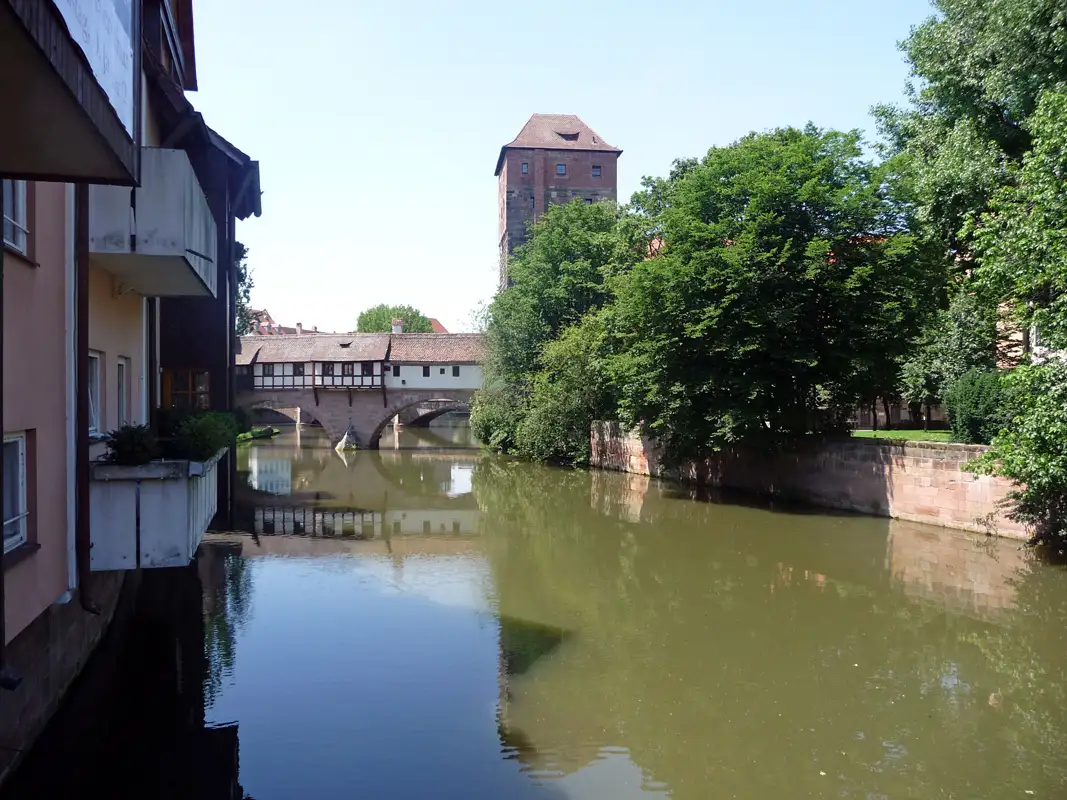
The River Pegnitz flows through the heart of Nuremberg and is crossed by several historic bridges. One of the most famous is the Henkersteg (Hangman’s Bridge), named after the city’s executioner, who was required to live outside the city walls because his profession was considered dishonourable. Today, the timber-covered bridge and the adjacent Hangman’s Tower form one of the most charming and picturesque scenes along the Pegnitz River.
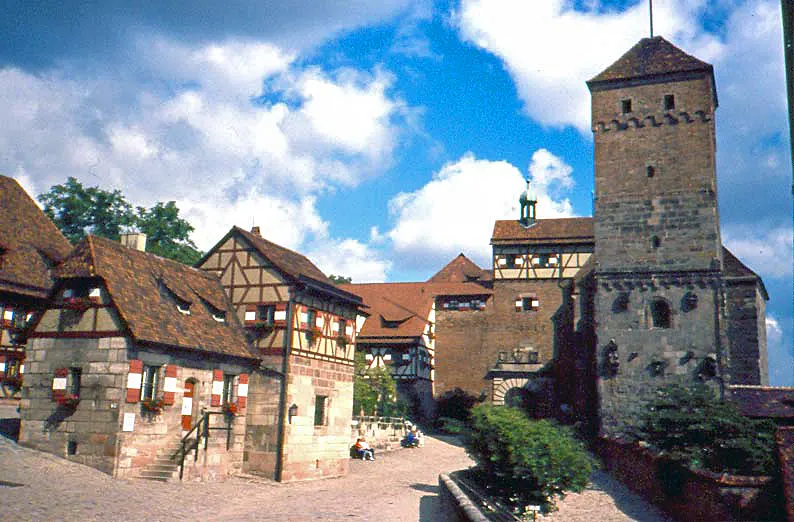
Finally, we walked up to the 1,000-year-old medieval Imperial Castle, one of Nuremberg’s most important landmarks. From its ramparts, you can enjoy breathtaking views across the Old Town and the surrounding countryside. Allow plenty of time for your visit, as it can take several hours to explore the castle’s many buildings, courtyards, and museums.
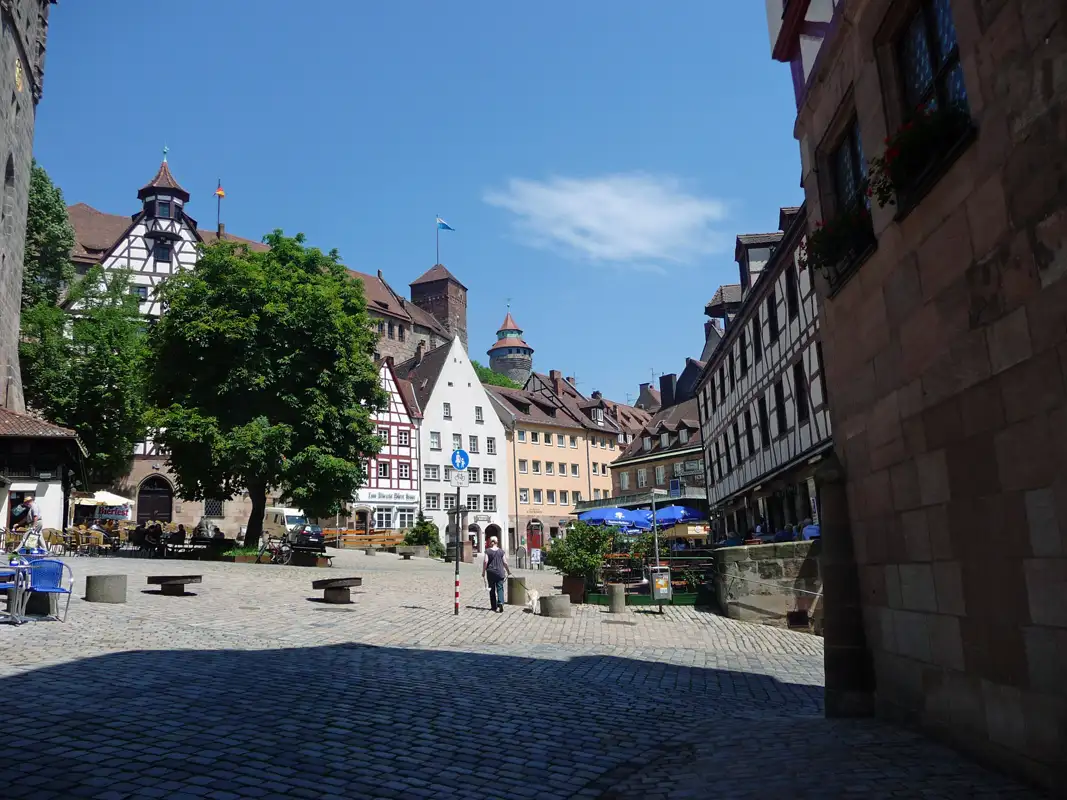
View of the historic district below Nuremberg Castle, with its winding cobblestone streets, charming half-timbered (Fachwerk) houses, and centuries-old buildings that capture the timeless character of medieval Franconia.

When we lived and worked in Nuremberg, this was our favourite restaurant. Although Schlenkerla originated in Bamberg, it also had a long-established restaurant in Nuremberg, where we enjoyed many memorable meals. Famous for its hearty Franconian cuisine and distinctive Rauchbier (smoked beer), it was an institution and one of our favourite places to dine. Sadly, the Nuremberg restaurant has now closed.
From Berlin’s world-famous landmarks to the peaceful hiking trails of Franconian Switzerland, this journey combined history, culture, nature, and wonderful memories. Whether you’re planning a city break, a hiking holiday, or both, we hope this Berlin and Franconia travel guide inspires you to discover one of Germany’s most rewarding regions.
Looking for more European travel inspiration? Discover historic cities, scenic road trips, spectacular hiking trails, cultural treasures, and practical travel tips in our complete Europe Travel Guide.