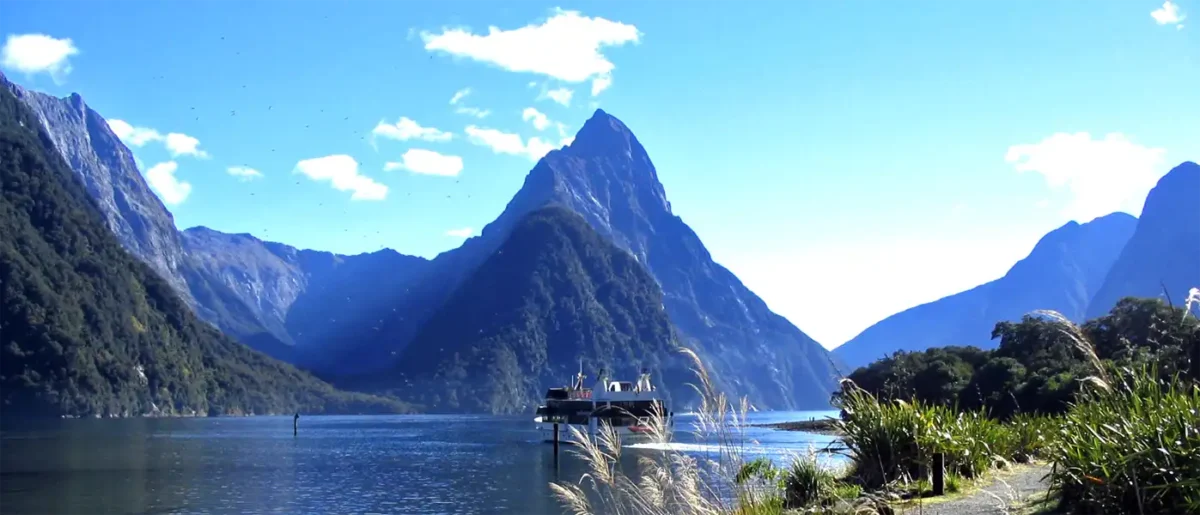
View of Mitre Peak Milford Sound
New Zealand Travel Guide: Hiking, Wildlife & Adventure Across Both Islands
New Zealand has long been one of our favourite travel destinations, a country we return to time and again for its incredible diversity. Just a short flight from Australia’s east coast, it is one of the most popular overseas destinations for Australian travellers and an ideal country to explore independently.
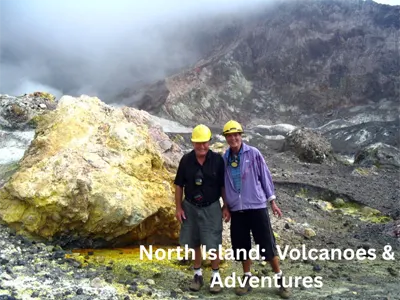
From exploring the vibrant capital of Wellington and the geothermal wonders of Rotorua to hiking through the volcanic landscapes of Tongariro National Park, every journey has been different. We have admired the spectacular scenery of Milford Sound, learned about the volcanic history of White Island, and discovered countless scenic drives, walking tracks, and welcoming small towns along the way. Whether you enjoy hiking, wildlife, road trips, adventure activities, or simply relaxing with a waterfront meal, New Zealand offers unforgettable experiences on both the North and South Islands. In this guide, we share our favourite places, practical travel tips, and personal experiences to help you plan your own New Zealand adventure.
Best Time to Visit New Zealand
February is our favourite time to visit New Zealand. Summer temperatures of 20–24°C (68–75°F) are ideal for hiking, sightseeing, and outdoor adventures. By then, Australian and New Zealand school holidays have ended, making it easier to find accommodation, rental cars, and motorhomes.
Spring and autumn are also excellent for active travellers, with cooler temperatures that are perfect for longer hikes. We especially enjoyed the South Island in mid-April, when autumn colours were at their best, campgrounds were quieter, and motorhome rental prices were lower. Daytime temperatures of 12–17°C (54–63°F) made exploring comfortable. Winter is ideal for skiing, but many of New Zealand’s famous hiking tracks close because of snow and avalanche risks.
Driving in New Zealand
Self-driving is the best way to explore New Zealand, giving you the freedom to travel at your own pace. New Zealand drives on the left-hand side of the road, just like Australia and the UK, so visitors from countries that drive on the right should take extra care, especially during their first few days.
We found New Zealand drivers to be courteous, patient, and respectful of the road rules. Speed limits are generally well observed, and drivers are far less aggressive than in many other countries. Outside the major cities, traffic is usually light, making driving a relaxed and enjoyable experience. Combined with spectacular scenic roads, self-driving is one of the highlights of a New Zealand holiday.
Accommodation
As usual, we stayed in a mix of self-contained holiday rentals and cabins in caravan parks. Outside the peak summer season, we never had any difficulty finding comfortable accommodation.
New Zealand offers a wide range of options, with international booking platforms such as Booking.com and Airbnb widely available. We also recommend Bookabach, a popular New Zealand booking site specialising in holiday homes. A bach (pronounced “batch”) is the traditional New Zealand name for a small holiday home or beach house, offering a comfortable and often more affordable alternative to hotels.
Safety
New Zealand is one of the safest countries to visit, with low crime rates and very little risk of serious violent crime. We always felt comfortable travelling independently, whether staying in cities, small towns, or remote national parks.
One thing to watch out for, however, is sandflies, particularly along the West Coast and in Fiordland, including Milford Sound. They may be tiny, but their bites can be extremely itchy and uncomfortable. We once stepped out of our motorhome to walk the 200 metres to a nearby beach and were immediately surrounded by a swarm. We ran back to the motorhome, only to discover that around 25 sandflies had come inside with us! In these areas, we recommend carrying insect repellent, wearing long sleeves and trousers when practical, and avoiding standing still near rivers and beaches.

Looking for more independent travel inspiration? Return to our Senior Independent Travel Guide for practical travel tips, destination guides, and adventures from around the world.