North Island New Zealand: Volcanoes, Hiking & Adventure
From the dramatic volcanoes of Tongariro National Park and Mount Ruapehu to Rotorua’s steaming geothermal valleys and exhilarating white-water rafting, New Zealand’s North Island offers some of the country’s most unforgettable outdoor adventures.
New Zealand’s central North Island has drawn us back several times with its remarkable combination of active volcanoes, geothermal attractions, scenic hiking trails, and adventure experiences. We have explored the volcanic landscapes of Tongariro National Park, discovered the bubbling mud pools and colourful thermal valleys around Rotorua, and enjoyed exciting river adventures surrounded by spectacular scenery. Whether you enjoy hiking, photography, or simply experiencing New Zealand’s unique volcanic landscapes, this region offers unforgettable experiences for independent travellers.
Tongariro National Park & Mount Ruapehu
The Tongariro National Park is the oldest national park in New Zealand and has three active volcanic peaks. The park is great for hiking, climbing, and skiing. The park is a dual UNESCO World Heritage site for its Maori cultural and outstanding volcanic features.
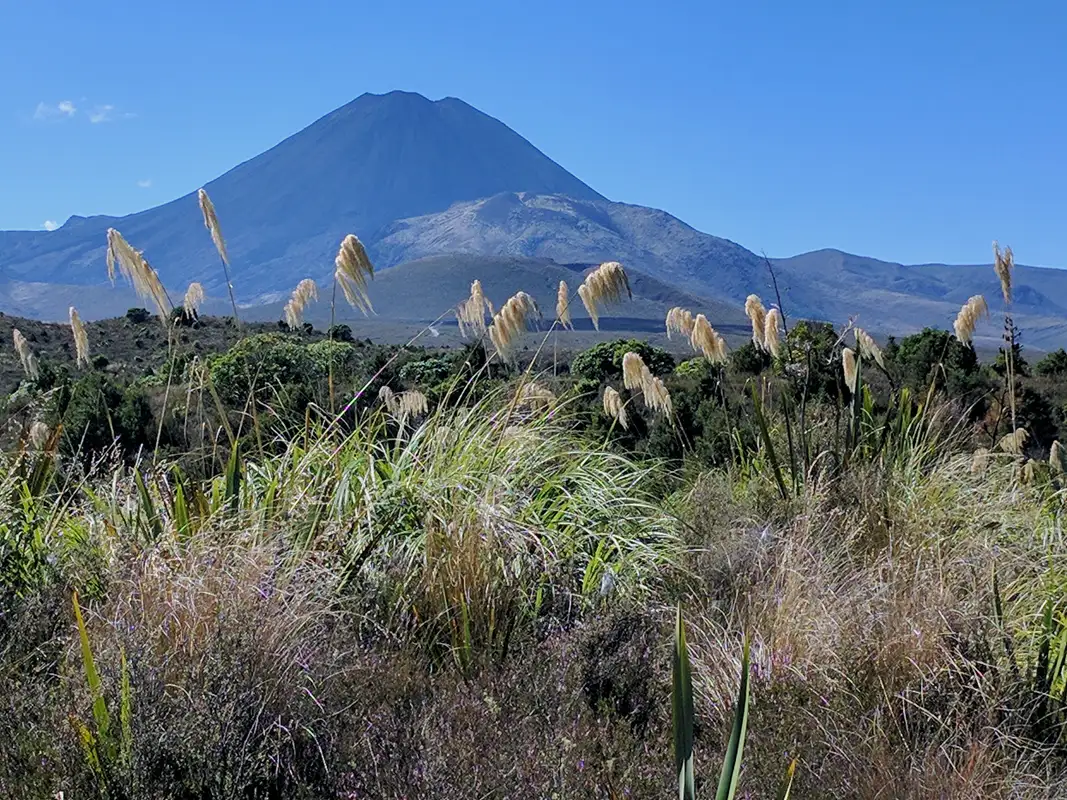
Mount Ngauruhoe, 2,291 metres high, is New Zealand’s most active volcano, but it has been dormant for 50 years. This dangerous-looking volcano appeared as Mount Doom in the Lord of the Rings films. There is another volcano in New Zealand with a similar classic volcanic cone shape. This is Mount Taranaki near New Plymouth.
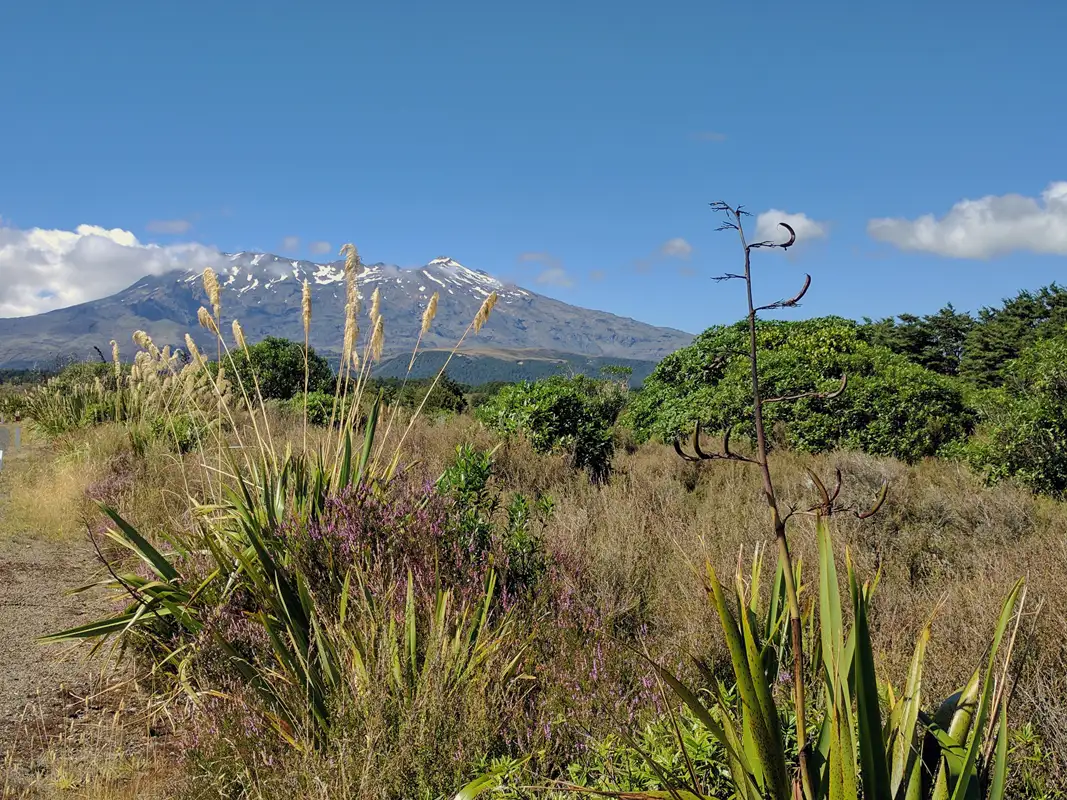
Mount Ruapehu was New Zealand’s most active volcano during the 20th century, reaching a height of 2,797 metres. It is a world-class ski destination in winter and a popular hiking spot in summer. However, due to ongoing volcanic and seismic activity, some trails are occasionally closed for safety.
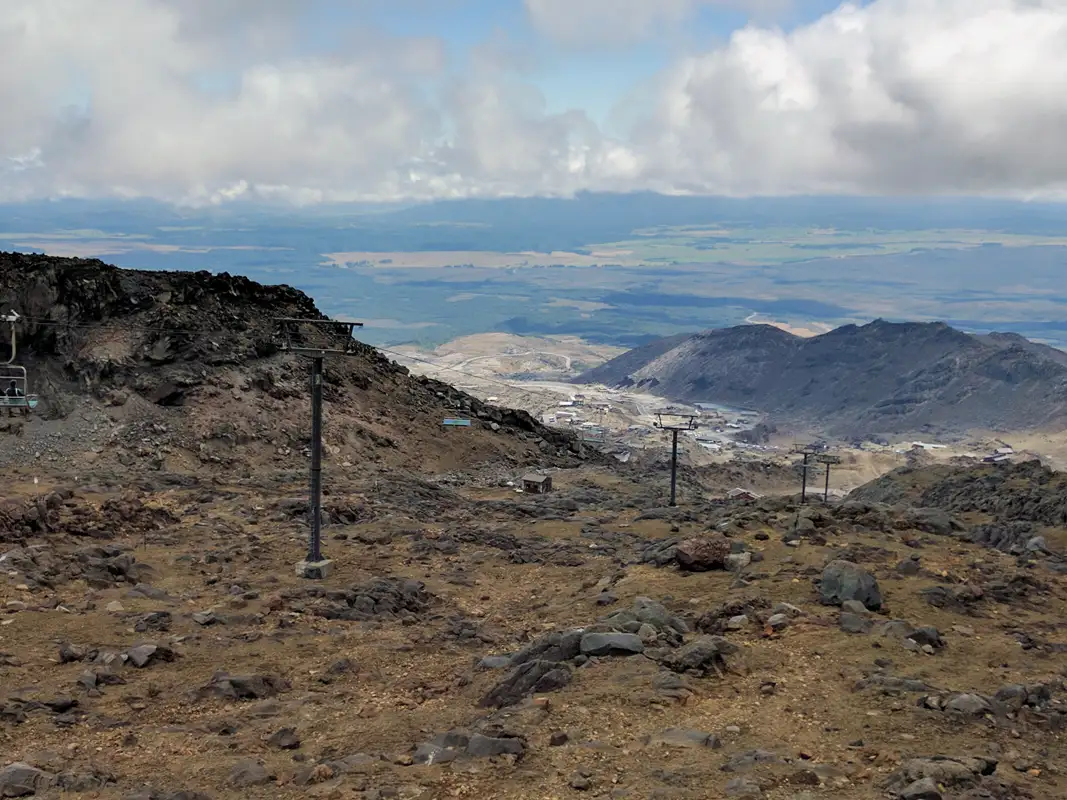
While we stayed in Ohakune, we took the lift from Whakapapa village to the Knoll Ridge Chalet, which is 2020 metres above sea level.
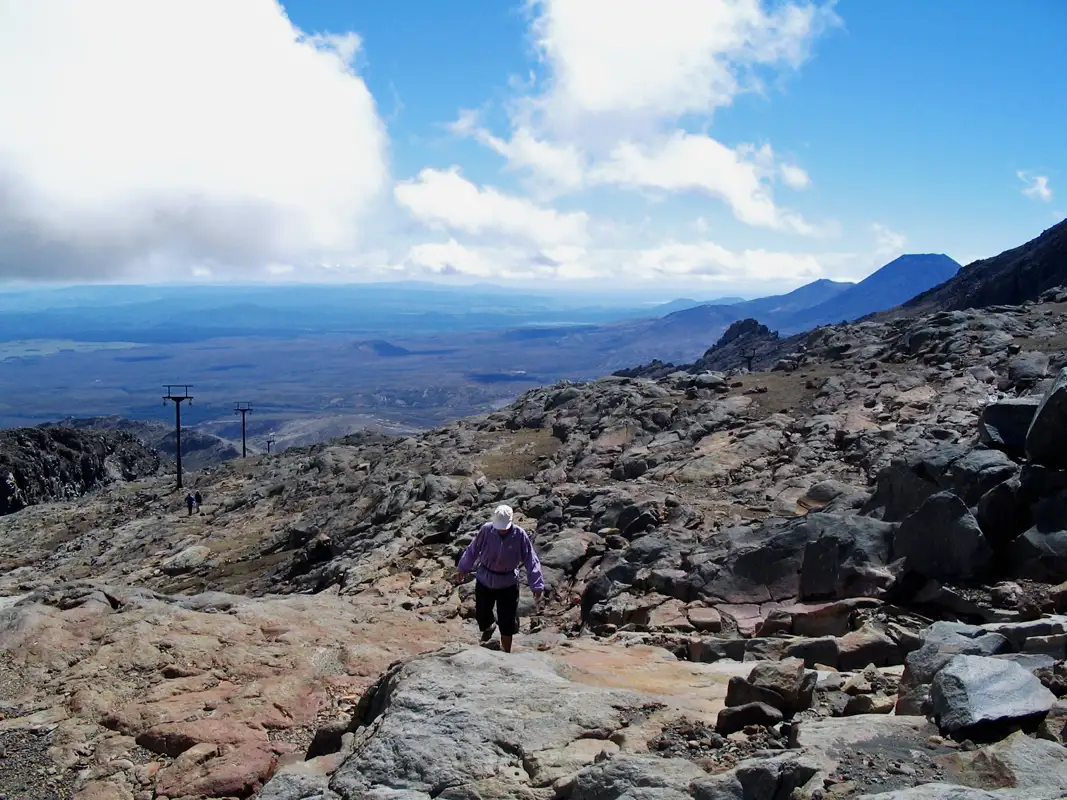
Later, we hiked up Skyline Ridge (2,300 metres) and enjoyed wonderful views of Mt Ngauruhoe and Lake Taupo. We loved this walk. Although it’s short, many consider it one of the best hikes in Tongariro National Park.
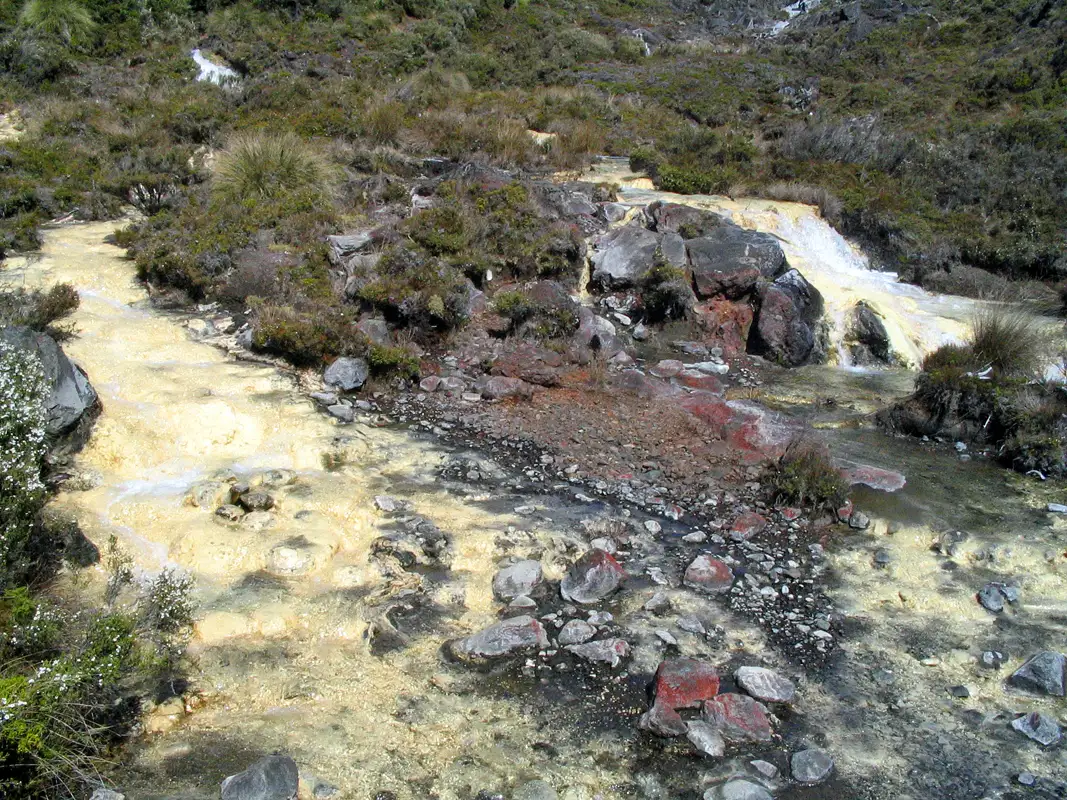
The Silica Rapids track is our favorite hike in Whakapapa. Starting 250 metres above the Visitor Centre, the path winds through diverse landscapes, including subalpine vegetation, mountain beech forests, swamps, and tussock grasslands. The trail is named for its famous, creamy-white silica rapids, formed by iron-oxide-rich water flowing from upstream. It took us two and a half hours to complete the journey.
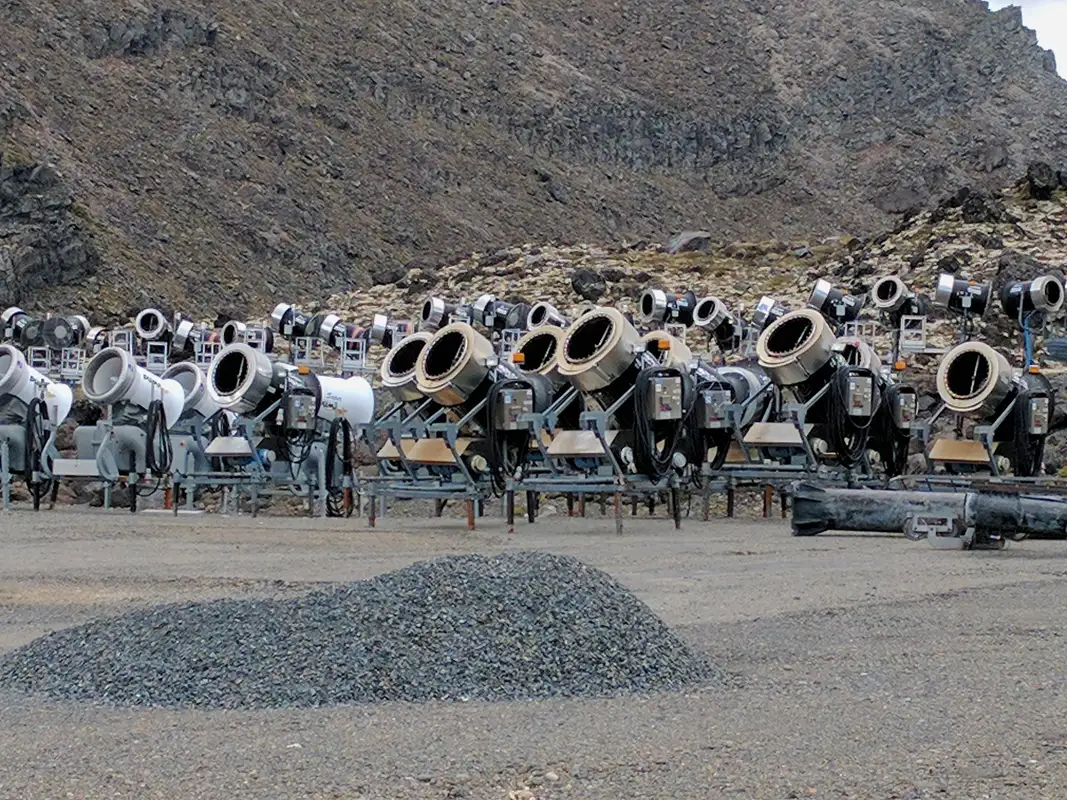
We stumbled upon what looked like a piece of top-secret military hardware while exploring Whakapapa! Have a look—can you guess what it actually is?
Taupo: White-Water Rafting & Outdoor Adventures
Taupo is a picturesque town on the shores of Lake Taupo, New Zealand’s largest lake and is surrounded by hot springs. Its a paradise for outdoor lovers. Whether you’re trout fishing, hiking scenic trails, or enjoying water sports. It’s a must-visit place for any traveler to New Zealand.
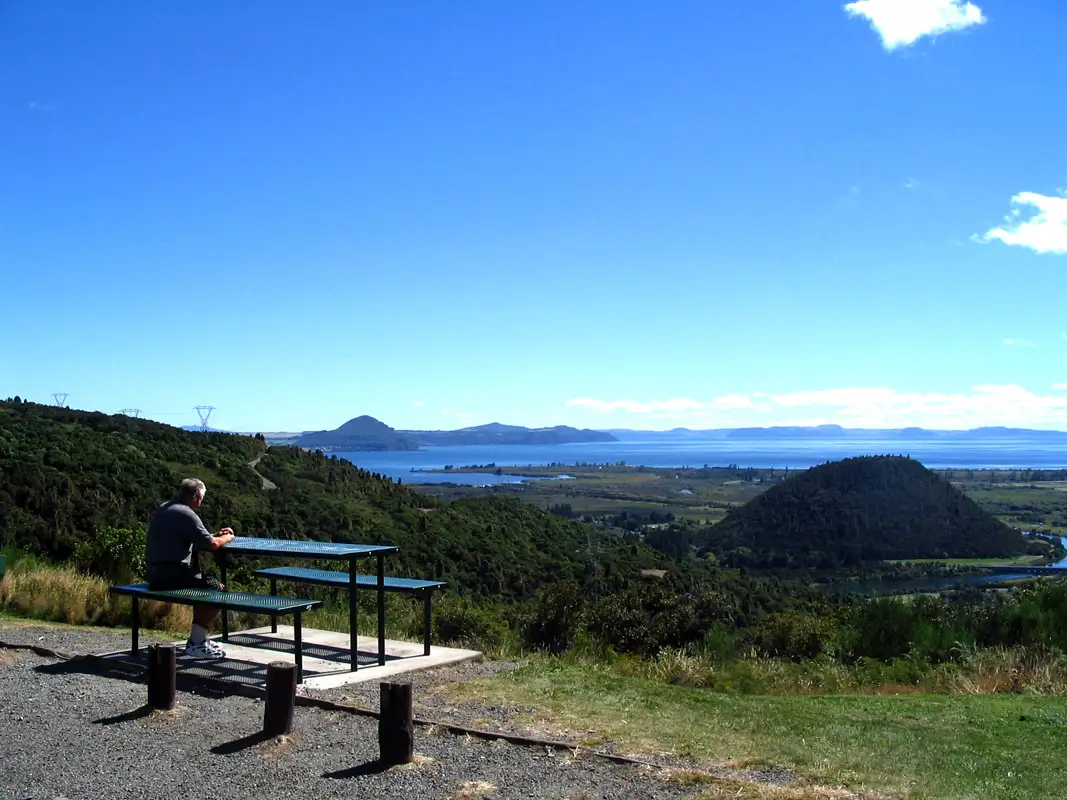
On the way to our next destination, we had a lunch break with great view of Lake Taupo. The lake was formed by a massive volcanic eruption. The lake is surrounded by stunning scenery, rolling hills and steaming hot springs. We stayed for a few days halfway between Taupo and Rotorua. This was the perfect base for exploring this fascinating region.
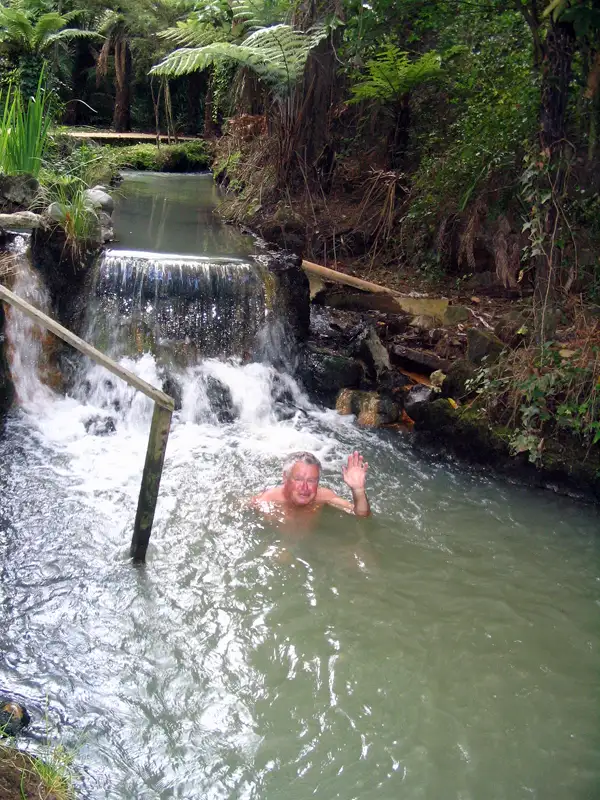
Our accommodation was somewhat run-down, but it came with one unforgettable perk—a private hot spring. We visited many hot springs while travelling around New Zealand and Australia, yet Berry Springs, near Darwin, stood out as our favourite.
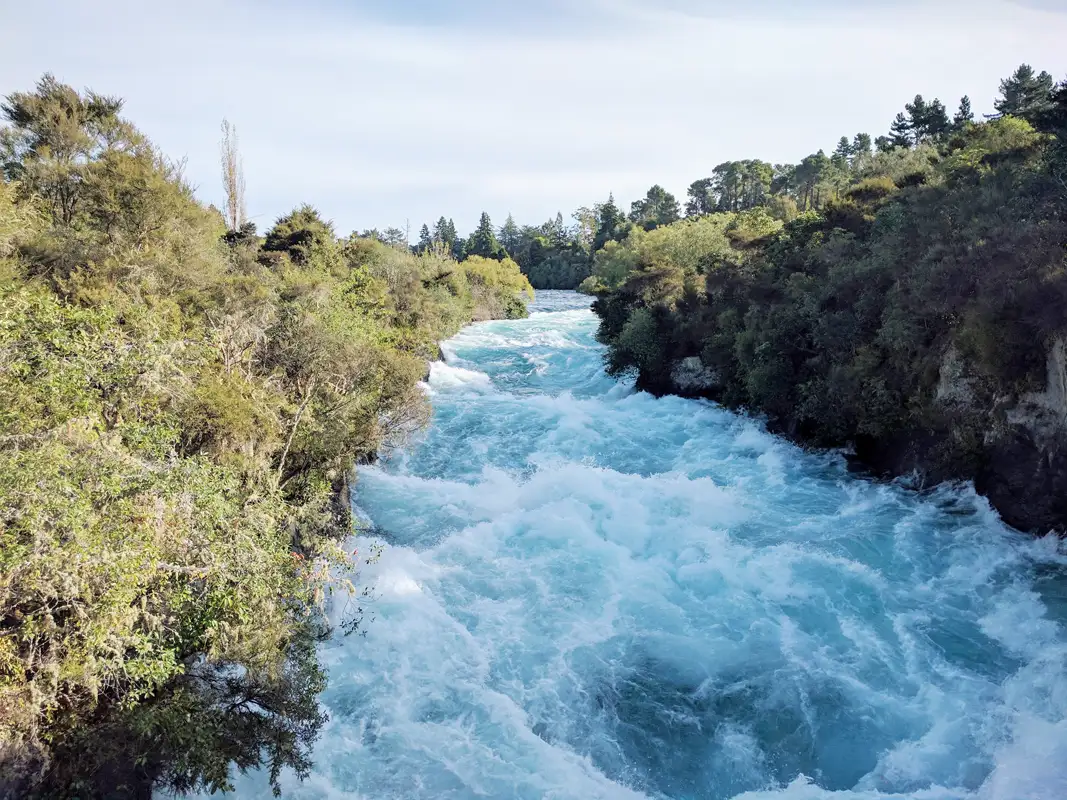
We visited Huka Falls at least twice, and it was thrilling every time. The falls are formed by the Waikato, New Zealand’s longest river, which flows from Lake Taupō and is funnelled through a narrow rock chasm. The resulting surge of water creates one of the country’s most spectacular natural attractions.
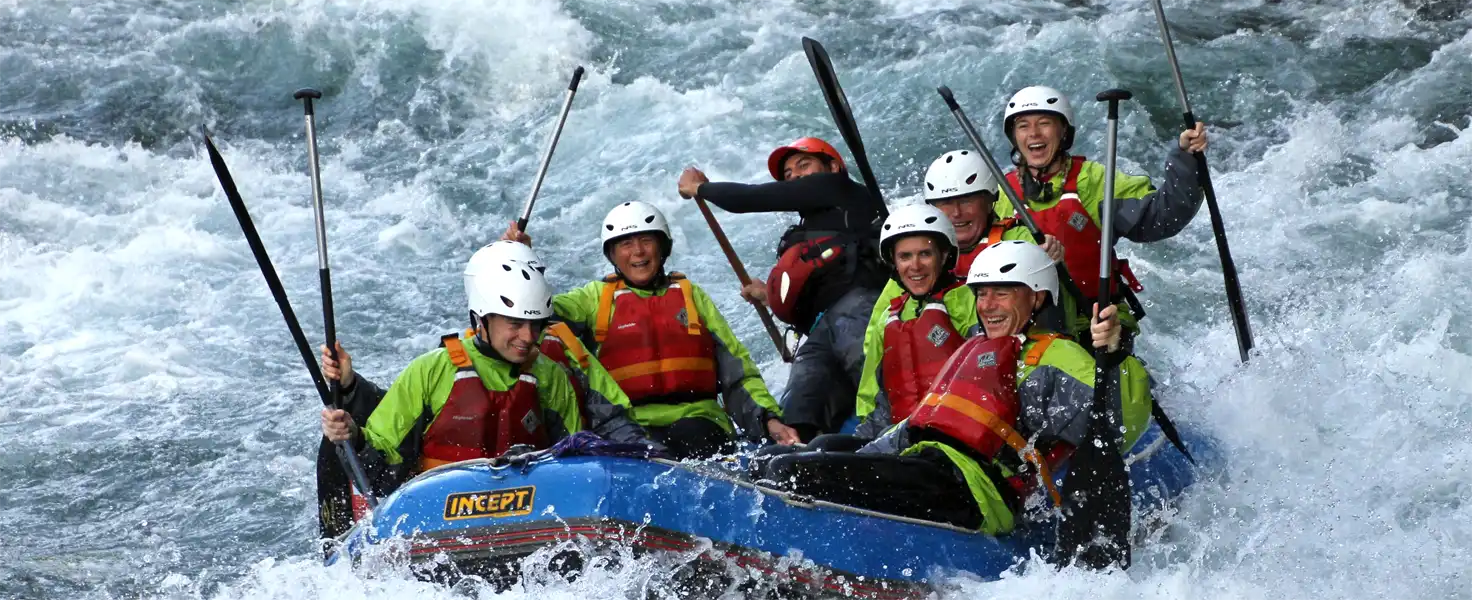
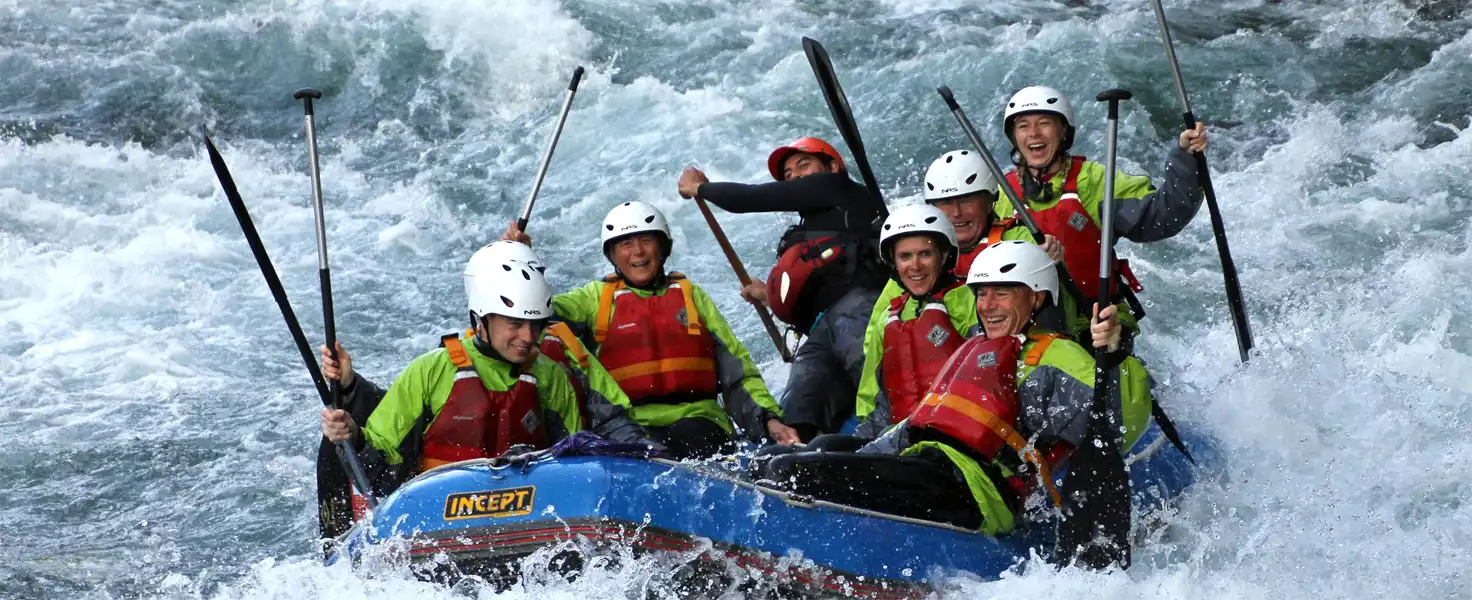
We have visited New Zealand many times, and for years we thought our trip to Whakaari / White Island was the most exciting tour we had ever experienced. Then we tried whitewater rafting from Tūrangi, and it quickly claimed the top spot. The Grade 3 rafting trip delivered 2.5 hours of non-stop excitement on the water. Before departure, we had to demonstrate that we were fit enough and capable of following paddle commands and safety instructions. Fortunately, that wasn’t a problem—we’re as fit as a pair of 79-year-olds can be!
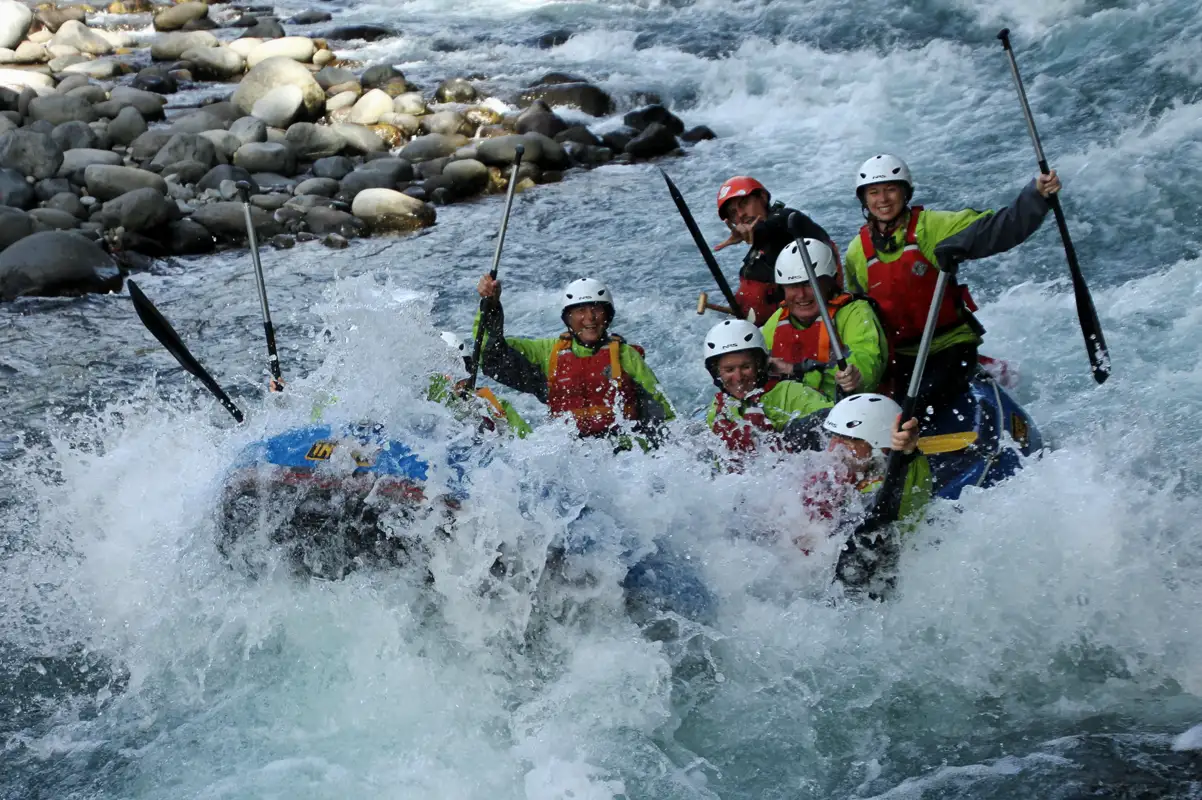
During the tour, we tackled more than 60 rapids over a 13-kilometre stretch of river. Our guide was outstanding, skilfully guiding us through the churning whitewater. The trip was packed with excitement—plenty of laughs, a few adrenaline-filled moments, and lots of fun. Even today, we look back on this unforgettable adventure as one of the highlights of our travels.
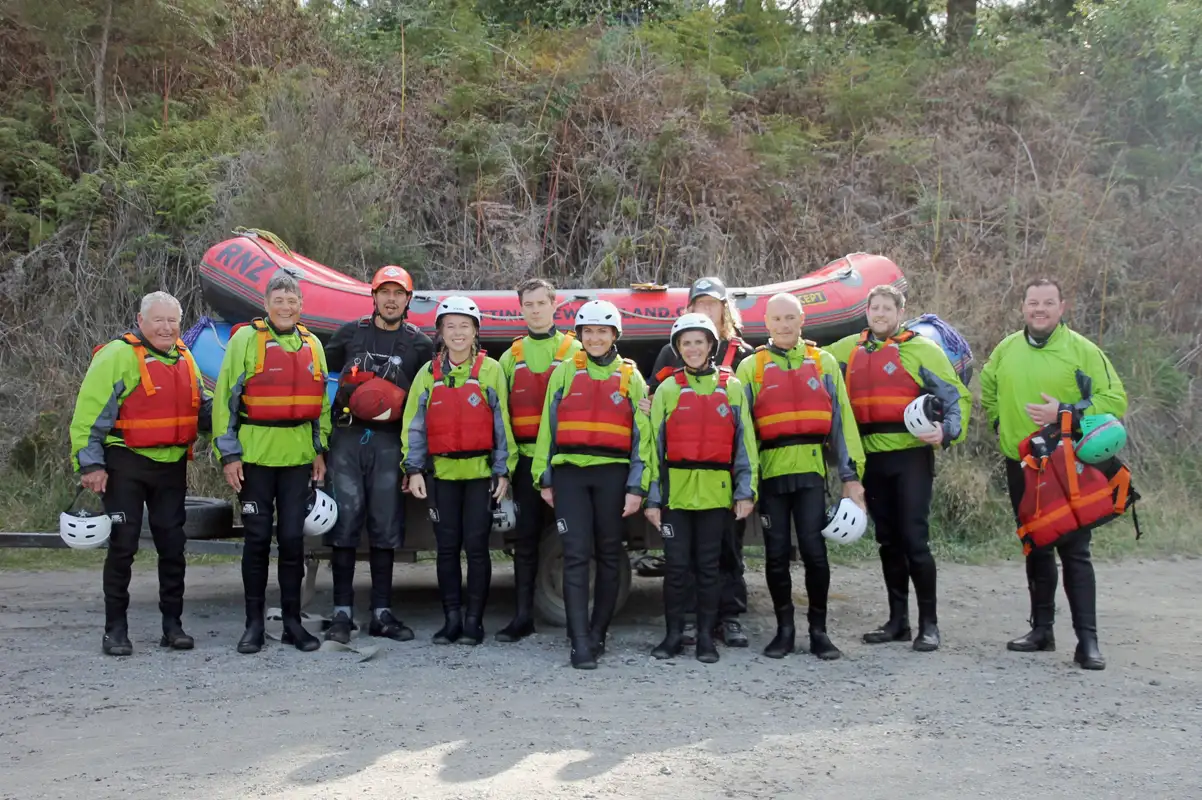
Our crew was exceptional, with several members having competed in an international triathlon only the day before. Being part of such a fit and capable team made us feel especially proud of our own achievement.
Rotorua Geothermal Attractions & Scenic Walks
Rotorua is an exciting city with all the geothermal activity. We loved watching the geysers sending jets of water into the air and bubbling mud pools. We enjoyed going into the hot springs after a good hike. In addition there is a wonderful lake and great hiking trail. It also offers many ways to learn about the traditional Maori customs, arts, and lifestyles.
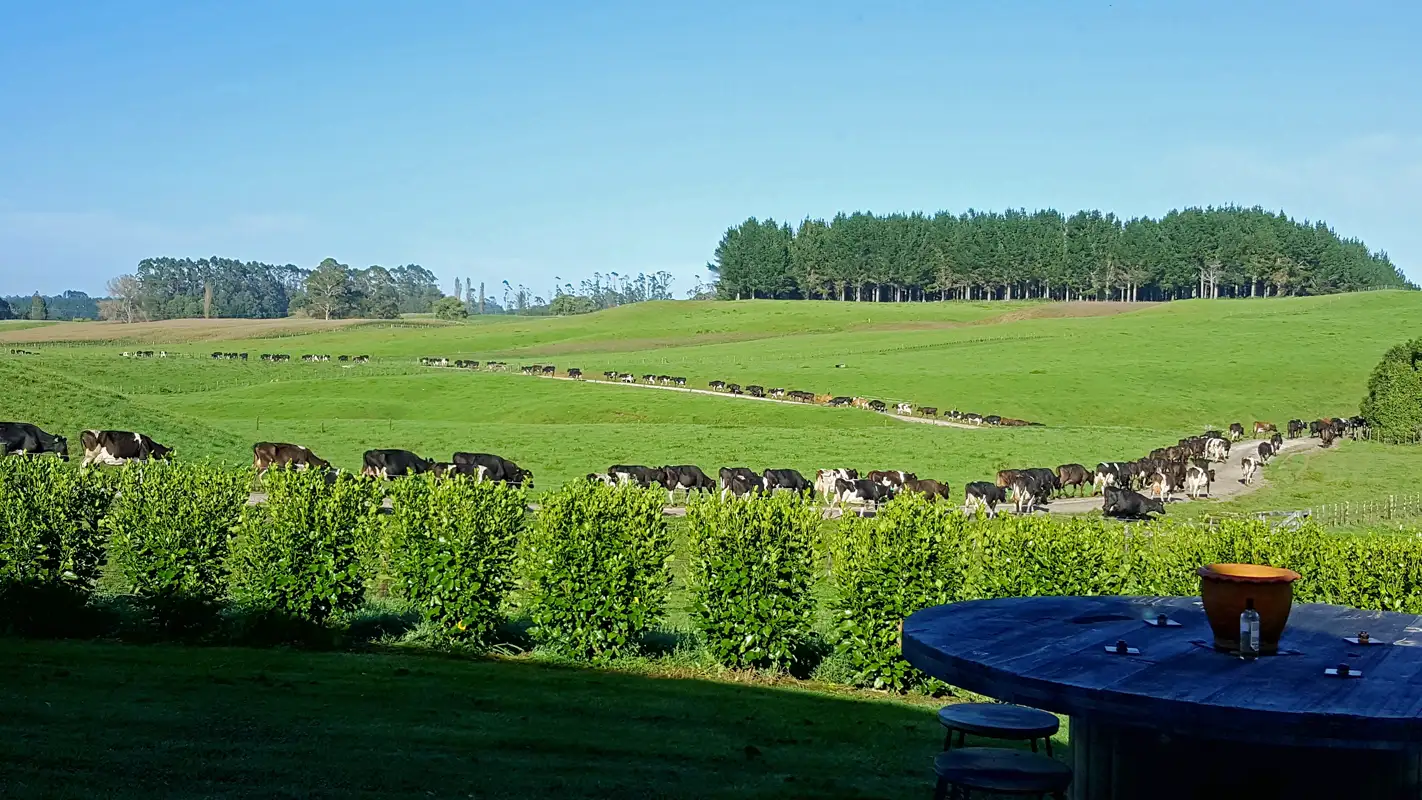
On one of our trips to New Zealand, we stayed in a charming rental home just outside Rotorua. From there, we enjoyed scenic hikes and rounds of golf. The most memorable sight, however, was watching a long line of cows calmly walk across the fields to the milking station.
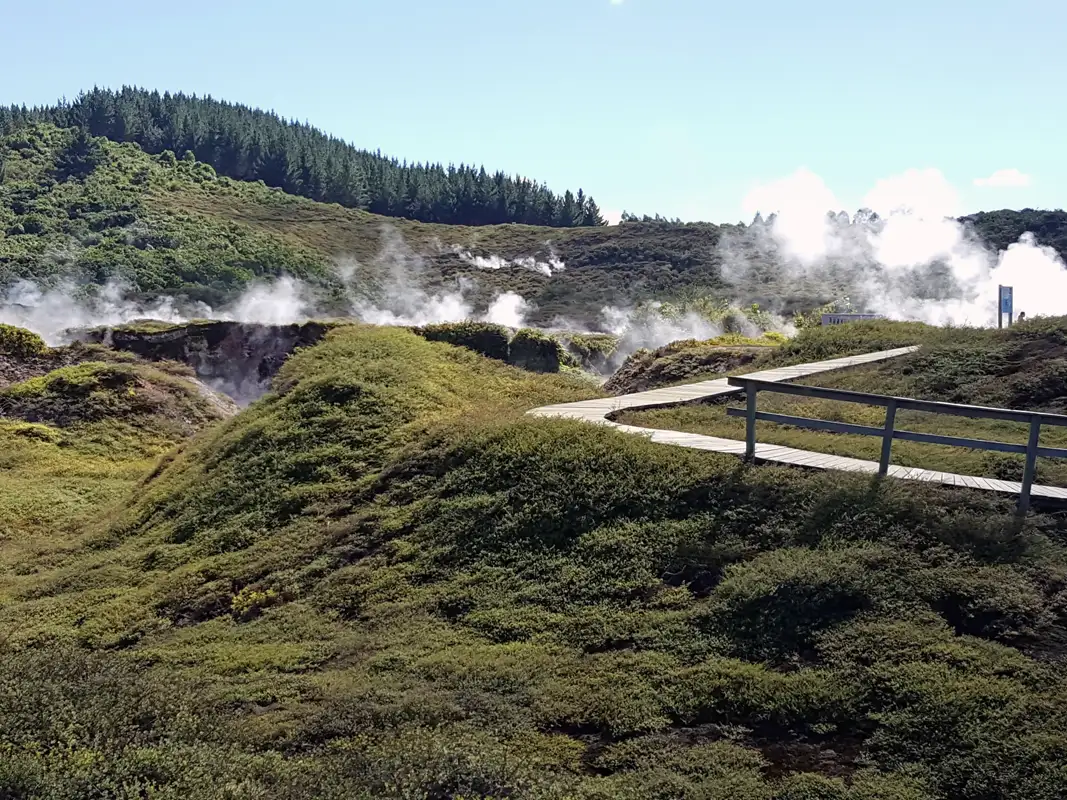
Located about an hour from Rotorua, Craters of the Moon is a fascinating geothermal attraction. Its well-maintained walkways make it easy to explore, and the admission fee is very reasonable. We’ve visited twice and loved it each time.

We drove to Waimangu Volcanic Valley, just a 20-minute trip from Rotorua. From the visitor center, we enjoyed a scenic one-hour walk down to Frying Pan Lake. As the world’s largest hot spring, it is an incredible sight, filled with steaming, acidic water that typically stays between 55°C and 60°C.

A bit further along the Waimangu Valley Walk lies the stunning Inferno Crater Lake. This hot spring is known for its brilliant, pale blue, highly acidic water. For those who prefer not to walk the entire route, a shuttle bus is available, stopping at three convenient locations before returning to the entrance.
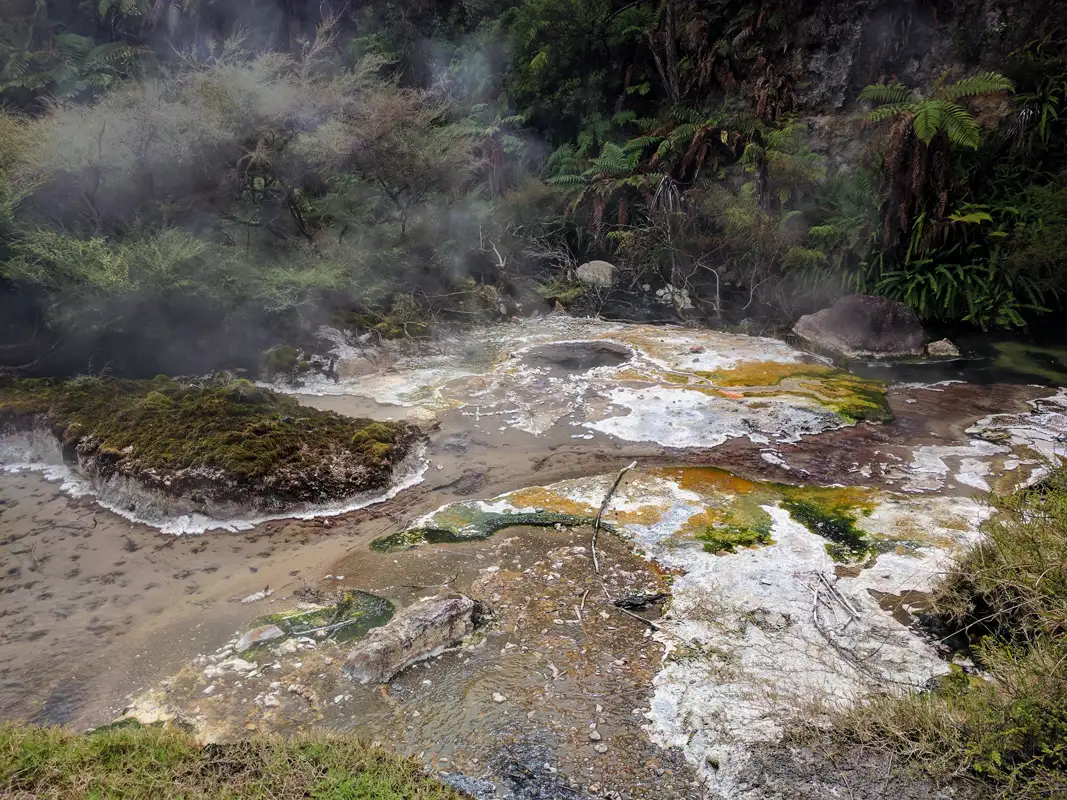
From the Frying Pan lake there is a little hot stream along the trail. The stream creates colourful places with water bubbles everywhere and a strong smell of sulfur.

The landscape is highlighted by the exquisite Pink and White Terraces. These formations are created as the hot stream cools on its journey to the lake; the silica crystallizes into brilliant white spots, while sulphides give the terraces their unique pink tint.
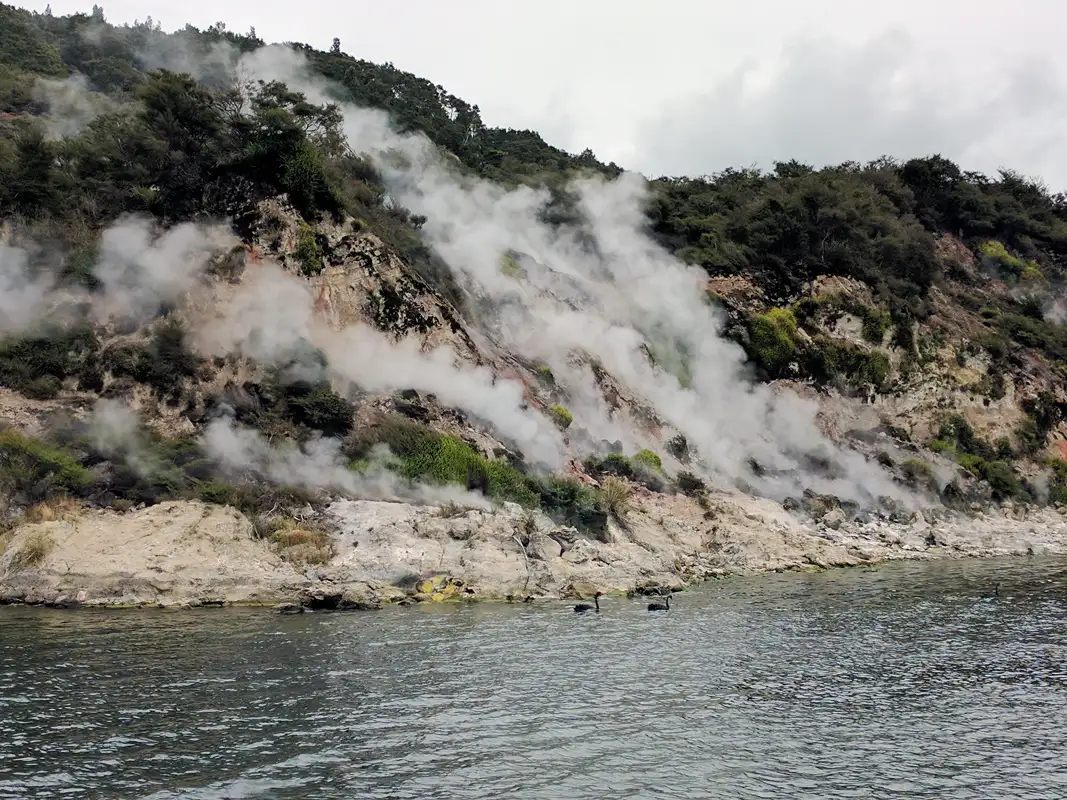
Our hike ended at Lake Rotomahana, one of New Zealand’s deepest lakes. On our second visit to the valley, we took a 45-minute cruise through a pristine wilderness area. After the cruise, a shuttle bus returned us to the Visitor Centre.
Whakaari (White Island): New Zealand’s Most Active Volcano
Located approximately 48 kilometres offshore from New Zealand’s North Island, Whakaari / White Island is the country’s most active volcano. A devastating eruption in 2019 claimed the lives of 22 people and left many others injured. As a result, tourist access to the island has been suspended. We feel fortunate to have visited in 2007, before these tragic events brought an end to public tours.
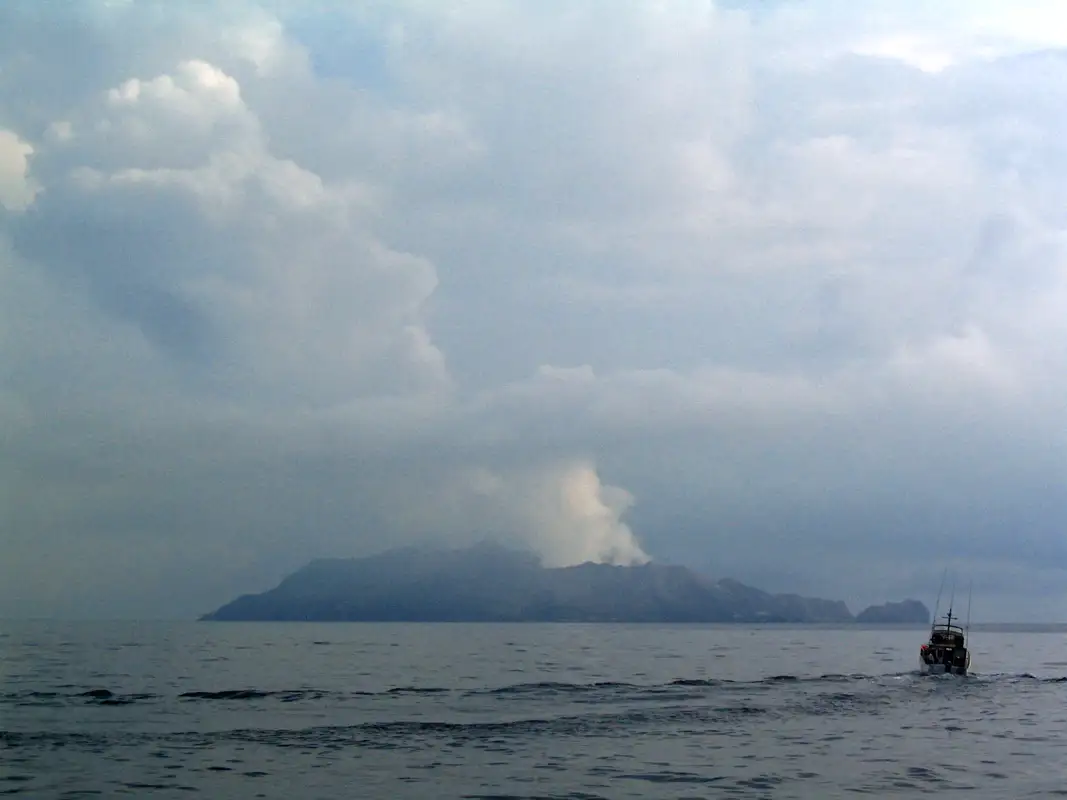
In 2007, while once again exploring our beloved New Zealand, we spent several days in Whakatāne. From nearby Ōhope Beach, we enjoyed stunning views of the offshore volcanic island Whakaari / White Island and we decided to visit it ourselves. Rather than taking one of the popular helicopter tours, we chose the two-hour boat journey. Our guide was wonderful, sharing fascinating stories about the history of the island and the town of Whakatāne.
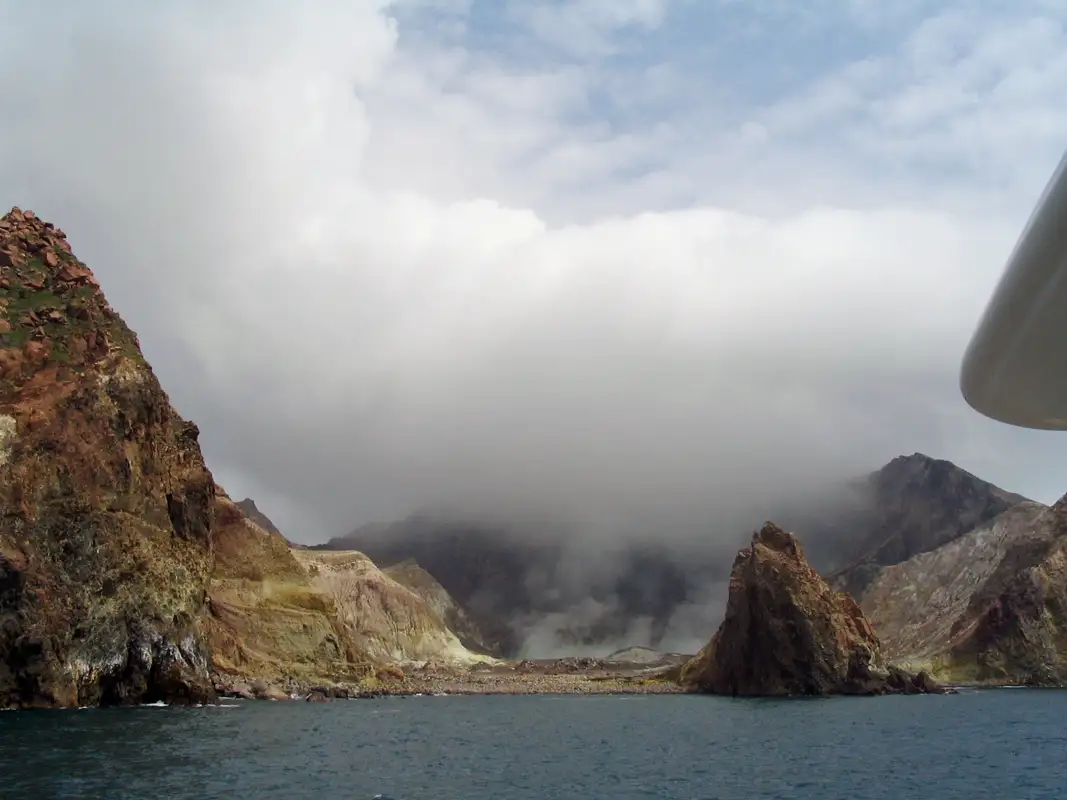
As we approached the island, an eerie feeling came over us. The smell of sulfur filled the air, while strange hissing and rumbling sounds echoed from the steaming volcanic landscape.
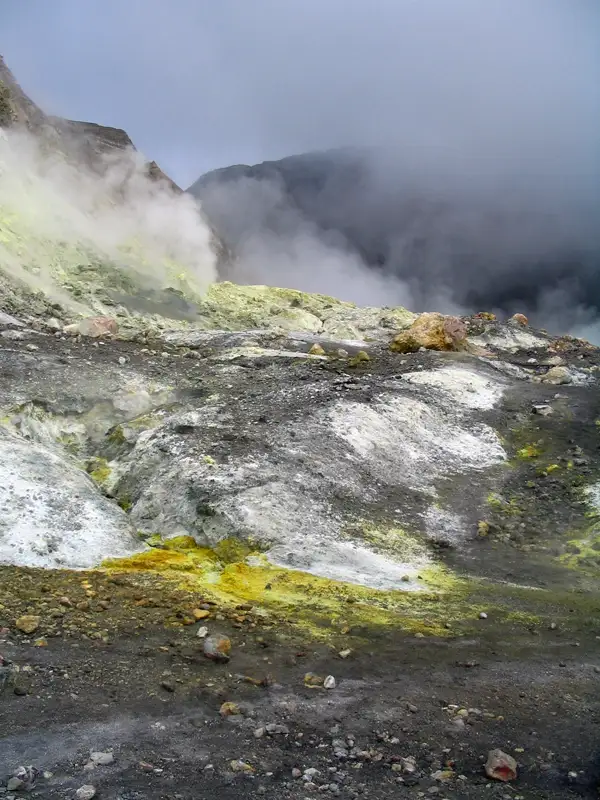
The two-hour tour was a highlight of our visit. As we walked across the island, we found ourselves in an almost otherworldly landscape of vivid yellow and orange mineral deposits, hissing steam vents, sulfurous fumes, and bubbling mud pools. We also visited the highly acidic crater lake and the historic sulfur ruins, remnants of an industry that operated on the island until 1930. It felt like stepping onto another planet.
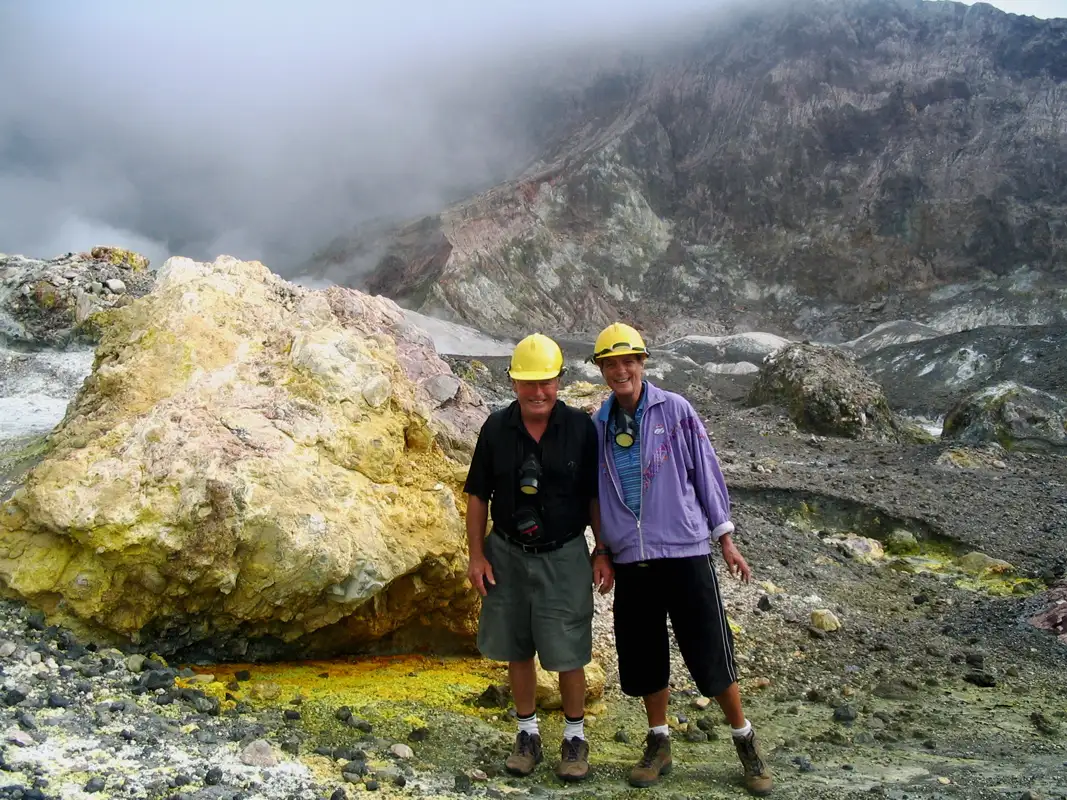
Taken at the end of our White Island tour in 2007, this photo captures our excitement after a remarkable day exploring the volcano. At the time, we could never have imagined the tragedy that would unfold there years later. Today, the photo serves as both a cherished memory and a reminder of those who lost their lives in the 2019 eruption.
More about New Zealand: New Zealand North Island: Culture, Scenic Walks
More about New Zealand: New Zealand South Island Travel Guide